


Wilderness Fellowships

EMRA is launching Fellowship Match! We are adding fellowships daily.
Look for fellowships using criteria important to you.
- Geographic location
- Fellowship type or training opportunity
- Advanced Degrees Offered?
- Is Moonlighting Allowed?
- Length of Program?
- Number of Shifts per month?
- Save your favorites
- Export your fellowships to a spreadsheet to look at offline
EMRA Fellowship Guide
Chapter 30 Wilderness Medicine Fellowship
Wilderness medicine (WM) is the practice of medicine with limited resources in austere environments, or health care provided anywhere in which environmental conditions have inflicted a patient’s physiologic insult. This simple definition belies the complexity of this specialty, as well as the extensive and varied opportunities it provides. Training in wilderness medicine can prepare physicians to treat mountaineers and sherpas on Everest, serve as directors of national parks, oversee search and rescue missions, work in hyperbarics or dive medicine, and provide medical care on expeditions or at remote scientific base camps. A wilderness medicine physician must not only have a knowledge of medical problems that arise in the elements (i.e. acute mountain sickness, hypothermia, lightning strikes, dysbarism, and envenomations, to name a few), but also how to acutely manage these problems outside of the hospital and often with minimal support.
Go to Chapter 30Related Content
Mar 24, 2024
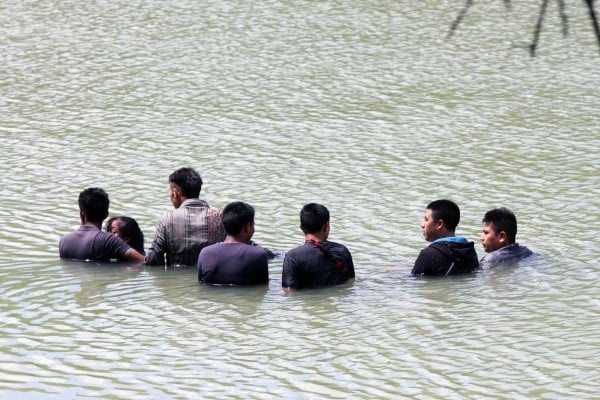
Case Report: Malaria, Dengue, and COVID-19 in a Migrant Entering the United States
Migrants are vulnerable to various tropical diseases as they traverse regions enroute to the United States. These diseases include malaria, mosquito-borne arboviruses, and helminth diseases. The congregate settings where migrants shelter also render them vulnerable to communicable diseases such as COVID-19. As more migrants arrive at our southern border, clinicians will likely encounter migrant patients with fevers. Clinicians must have high suspicion and familiarize themselves with managing tropical diseases. Co-infection of multiple tropical and communicable diseases should also be considered.


May 18, 2024
Getting Started in EM Research: Lessons from Rising Stars
The EMRA Research Committee interviewed 4 soon-to-be legends in the emergency medicine research community, from residents to established faculty, to understand their experiences. Our interviewees — Mat Goebel, MD, MAS; Corey Hazekamp, MD, MS; Vinitha Jacob, MD, PhD; and Laura Harding-Jackson, DO, PhD — discussed how they got their start in EM research, relevant training, current focuses and niches, and more.