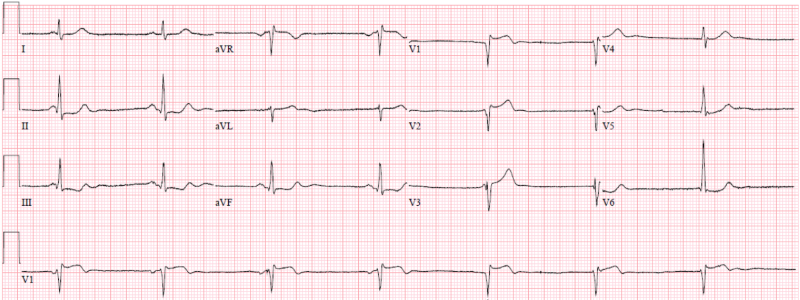
A 61-year-old male with past medical history of hypertension and hyperlipidemia presents to the emergency department with 8/10 substernal chest pain. What is your interpretation of his ECG?
A 65-year-old female with history of thoracic aortic aneurysm s/p aortic graft repair several years ago presented to the ED with positive blood cultures on outpatient labs. These had been ordered by h
Approximately 25% of patients with NSTEMI have an acute coronary occlusion; the STEMI/NSTEMI paradigm can be misleading. Serial ECGs are invaluable in making the diagnosis of acute coronary syndrome,
SGLT-2 inhibits can cause massive osmotic diuresis and intravascular volume depletion. The body’s appropriate response to this is production of antidiuretic hormone, an excess of which is capable of c
Nonconvulsive status epilepticus has traditionally been thought of as a rare condition. There is little data regarding its true incidence, but evidence suggests it is far more common than once believe
BRASH syndrome is an uncommon but often fatal condition in which an acute renal injury initiates a vicious cycle of bradycardia, hyperkalemia, hypotension and worsening renal failure in patients who t
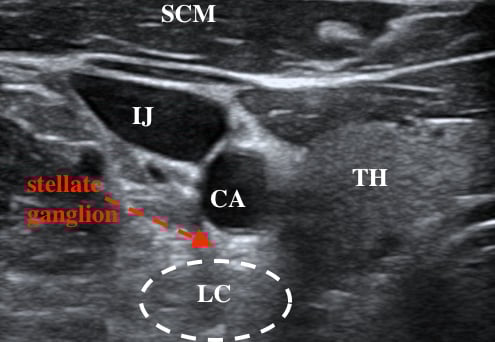
The ultrasound-guided stellate ganglion block may be used as an adjunct to established methods during pulseless ventricular arrhythmias. It is a potentially lifesaving procedure that is within the eme
Septic cardiomyopathy (colloquially known as septic heart) lacks formal criteria, but emergency physicians should be aware of generally accepted clinical signs. Awareness of septic cardiomyopathy as a
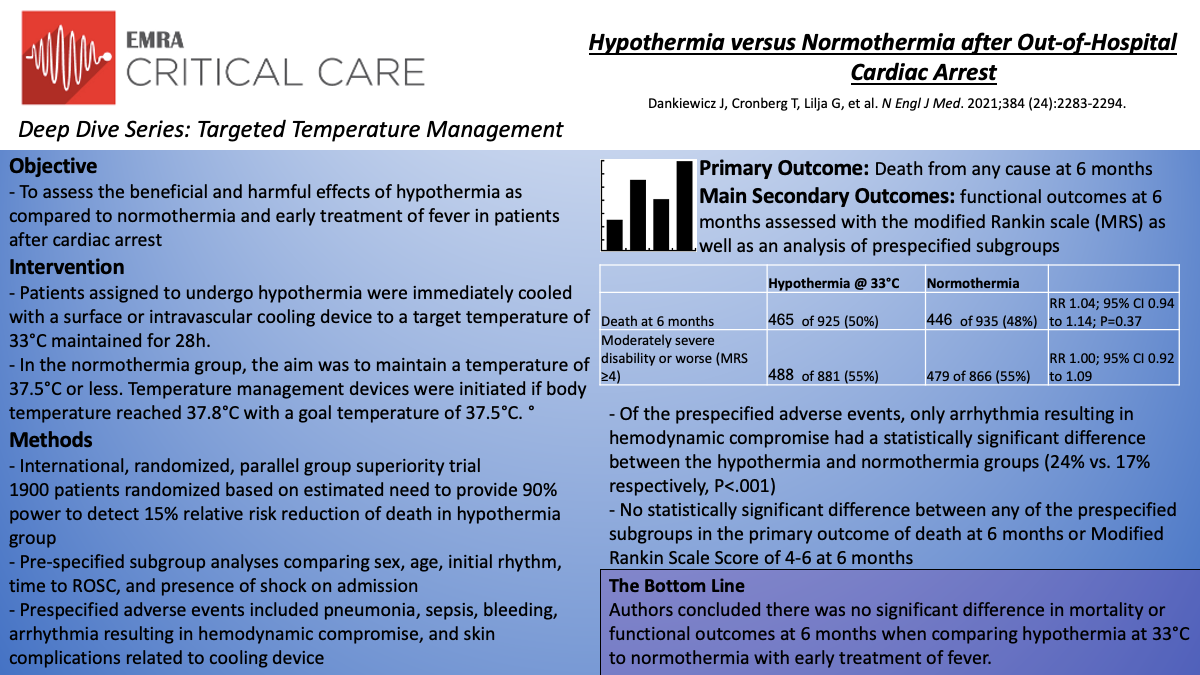
Evidence surrounding the benefits of post-arrest hypothermia has been conflicting, but it continues to be the standard of care per international guidelines. The TTM2 Trial adds to the data.