


EMResident Trending Articles
 Sudden cardiac arrest (SCA) in young, otherwise healthy individuals without underlying cardiovascular disease represents one of the most challenging scenarios in emergency resuscitation. In this patie
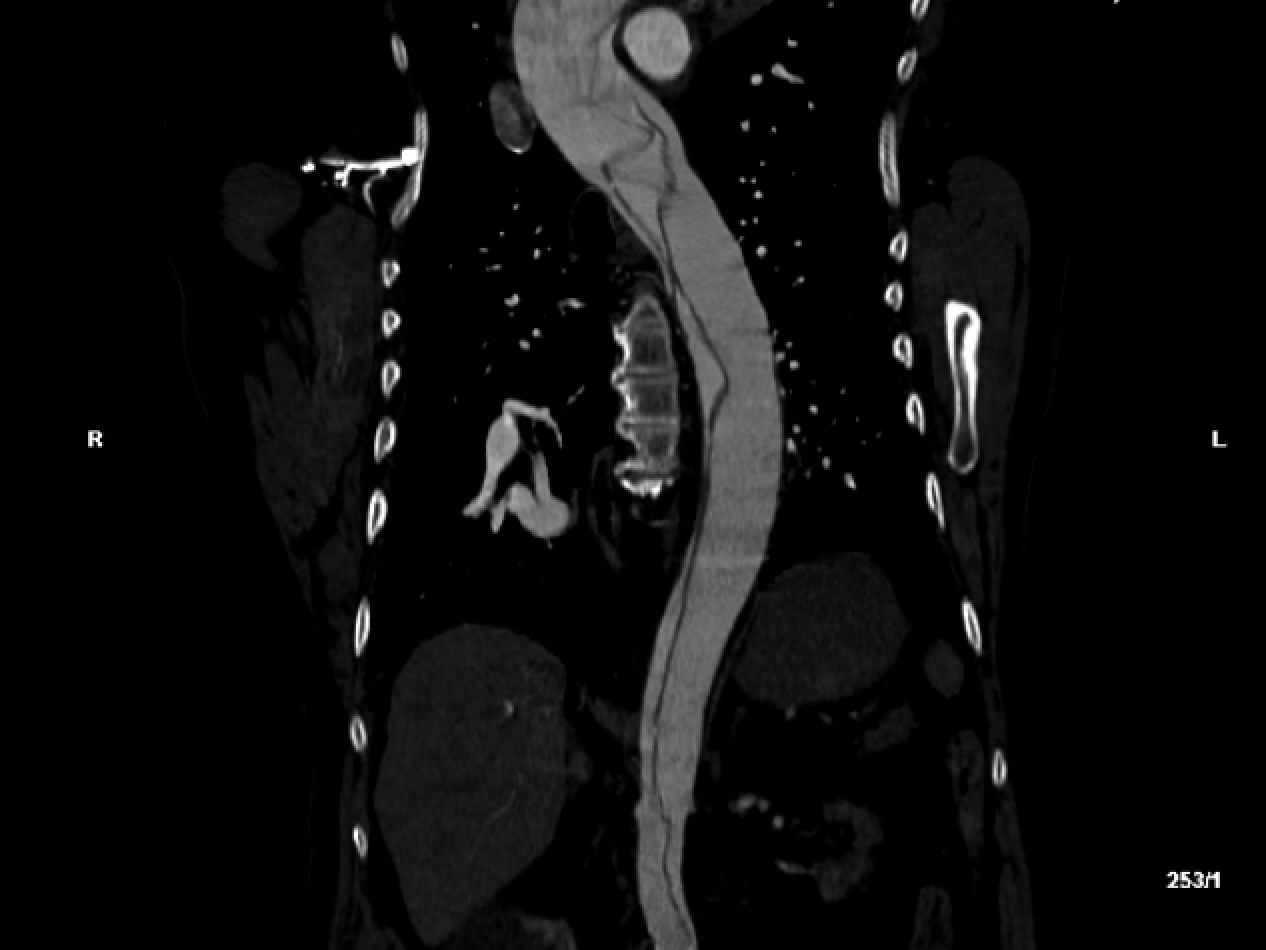 Acute aortic dissection may present atypically, often without the classic "tearing" chest or back pain. Instead, patients may present with syncope, neurologic deficits, pulse deficits, referred pain,
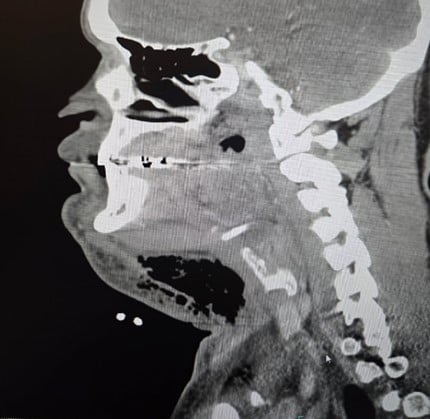 Ludwig’s angina is a rapidly progressing and potentially fatal infection that requires rapid identification and management. Learn the basics of recognizing and initiating treatment for this critical c
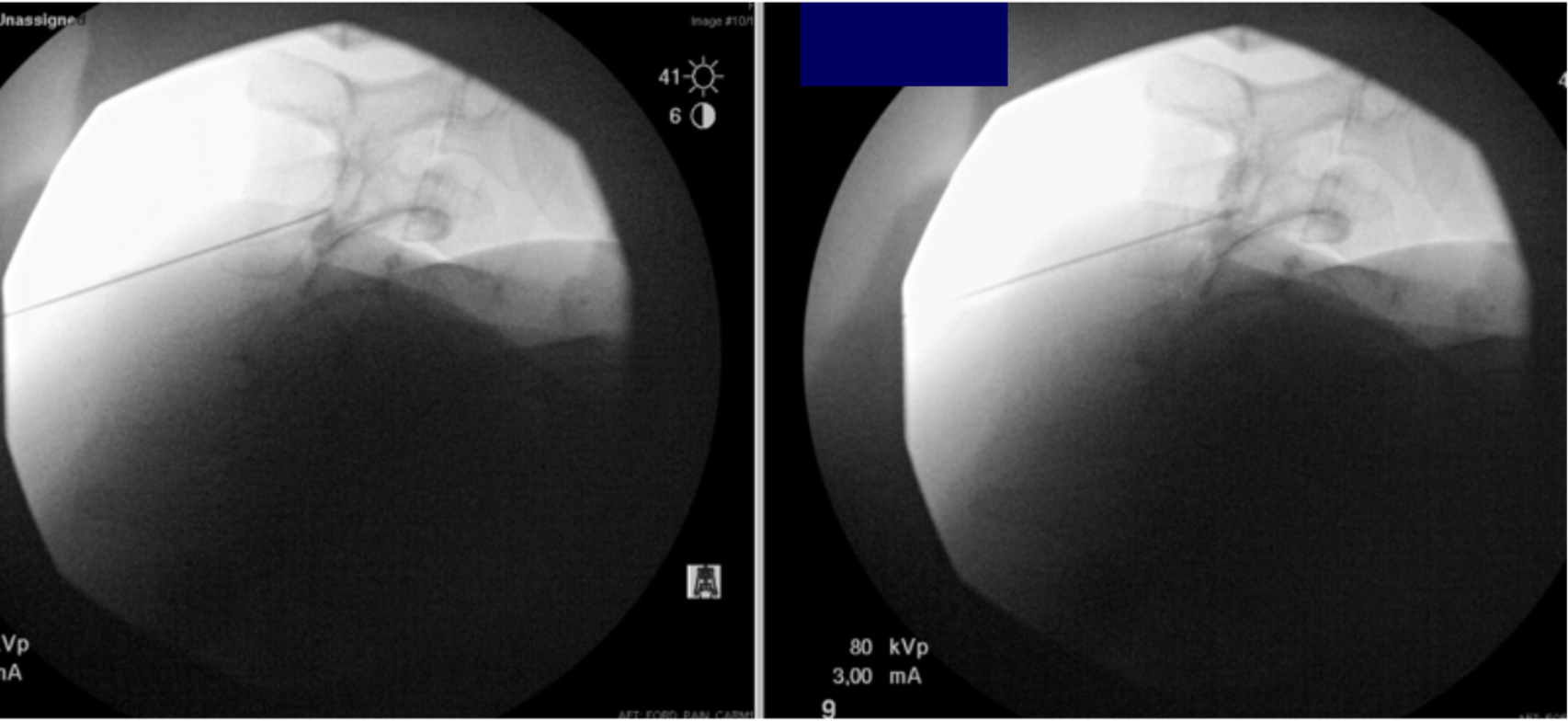 This case report explores the evidence behind recognizing and treating conditions caused by gadolinium-based contrast agents — including pseudo-subarachnoid hemorrhage.
 Life-threatening emergencies can occur when patients’ family are not present, making critical decision-making more difficult. What role does FaceTime play in this situation? What are the legalities su
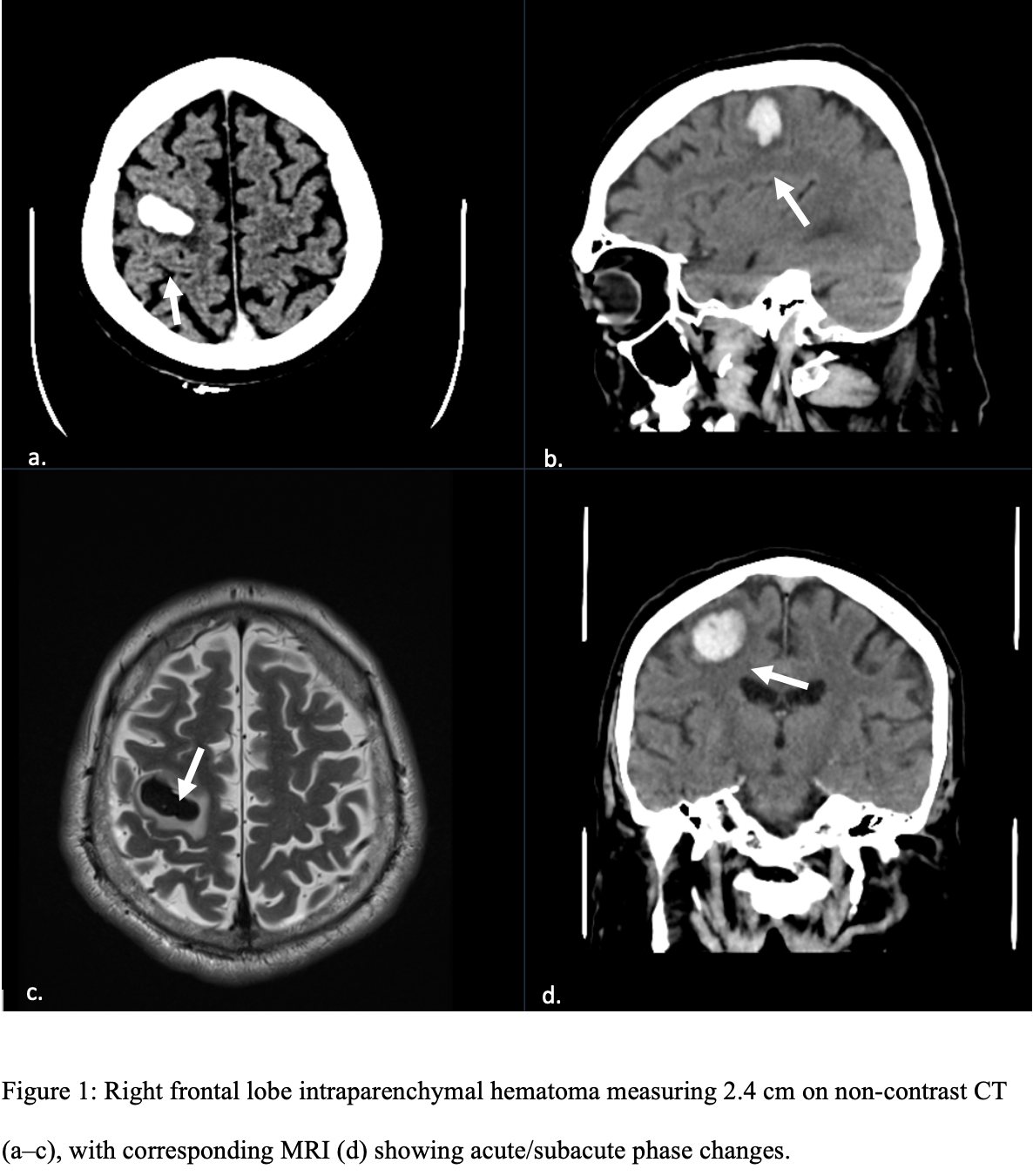 Stroke remains a major cause of morbidity and mortality worldwide, with hemorrhagic strokes accounting for approximately 10–20% of cases. Classic symptoms like hemiparesis or aphasia often lead to ear
While opsoclonus-myoclonus-ataxis (dancing eye-dancing feet syndrome) may seem rare and complex, its early identification in the ED can be life‑altering. When faced with an unusual movement disorder a
 Refractory shock is commonly managed with vasopressin, but it carries the risk of adverse side effects. Angiotensin II (Ang II) is gaining recognition as an alternative therapy.
 Methanol poisoning constitutes a life-threatening medical emergency in critical care, particularly in developing countries where unregulated or illicitly produced alcohol is commonly consumed. In many
 Advances in outdoor gear and easily accessible trail information have made it possible for people of widely varying skill and experience levels to get outside quickly. However, with this increased act