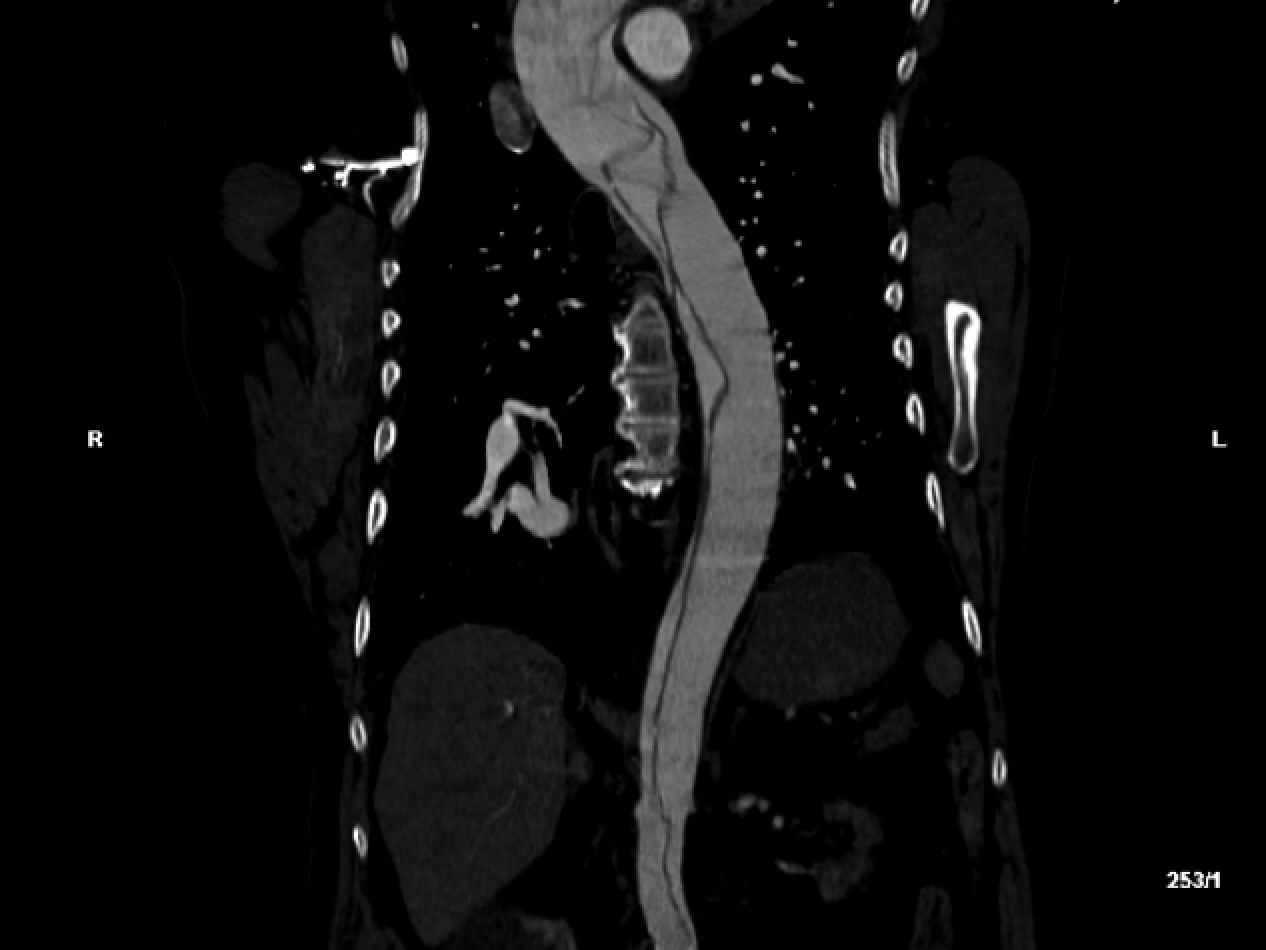
Acute aortic dissection may present atypically, often without the classic "tearing" chest or back pain. Instead, patients may present with syncope, neurologic deficits, pulse deficits, referred pain,
This case report explores the evidence behind recognizing and treating conditions caused by gadolinium-based contrast agents — including pseudo-subarachnoid hemorrhage.
Life-threatening emergencies can occur when patients’ family are not present, making critical decision-making more difficult. What role does FaceTime play in this situation? What are the legalities su
Refractory shock is commonly managed with vasopressin, but it carries the risk of adverse side effects. Angiotensin II (Ang II) is gaining recognition as an alternative therapy.
Paroxysmal Sympathetic Hyperactivity (PSH) describes the dysregulation of the sympathetic nervous system. This disease process typically occurs in the setting of severe acquired brain injury, which ca
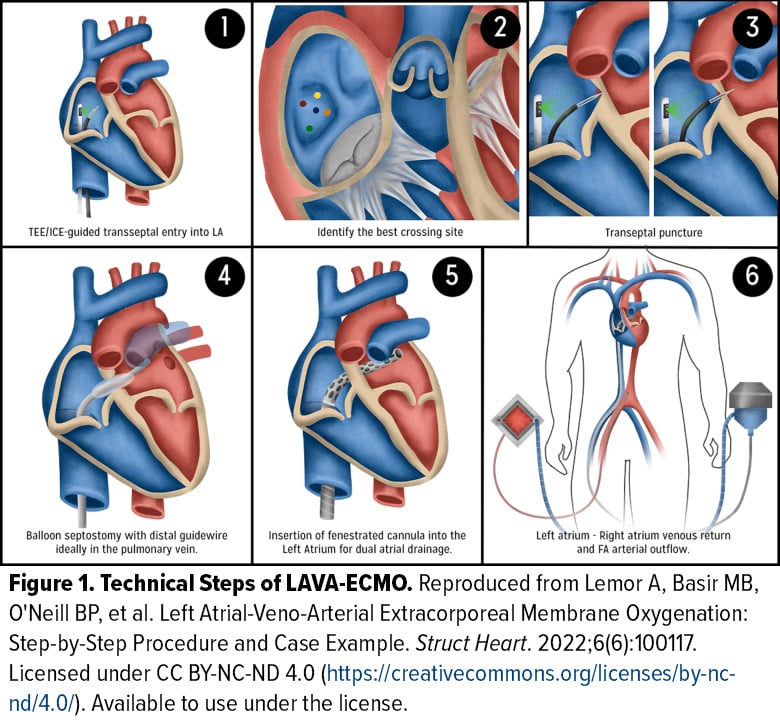
LAVA-ECMO offers hemodynamic benefits as an advanced unloading strategy with venting capabilities. However, broader adoption will require prospective studies to validate its safety and efficacy in div
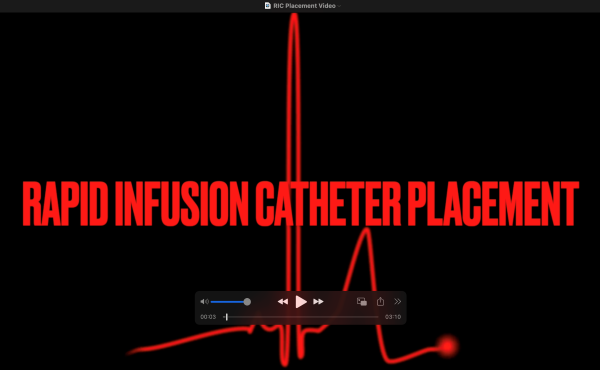
High-volume fluid and blood product administration is often a cornerstone of managing critically ill patients in the emergency department. This Critical Care Device Series entry explains the rapid inf
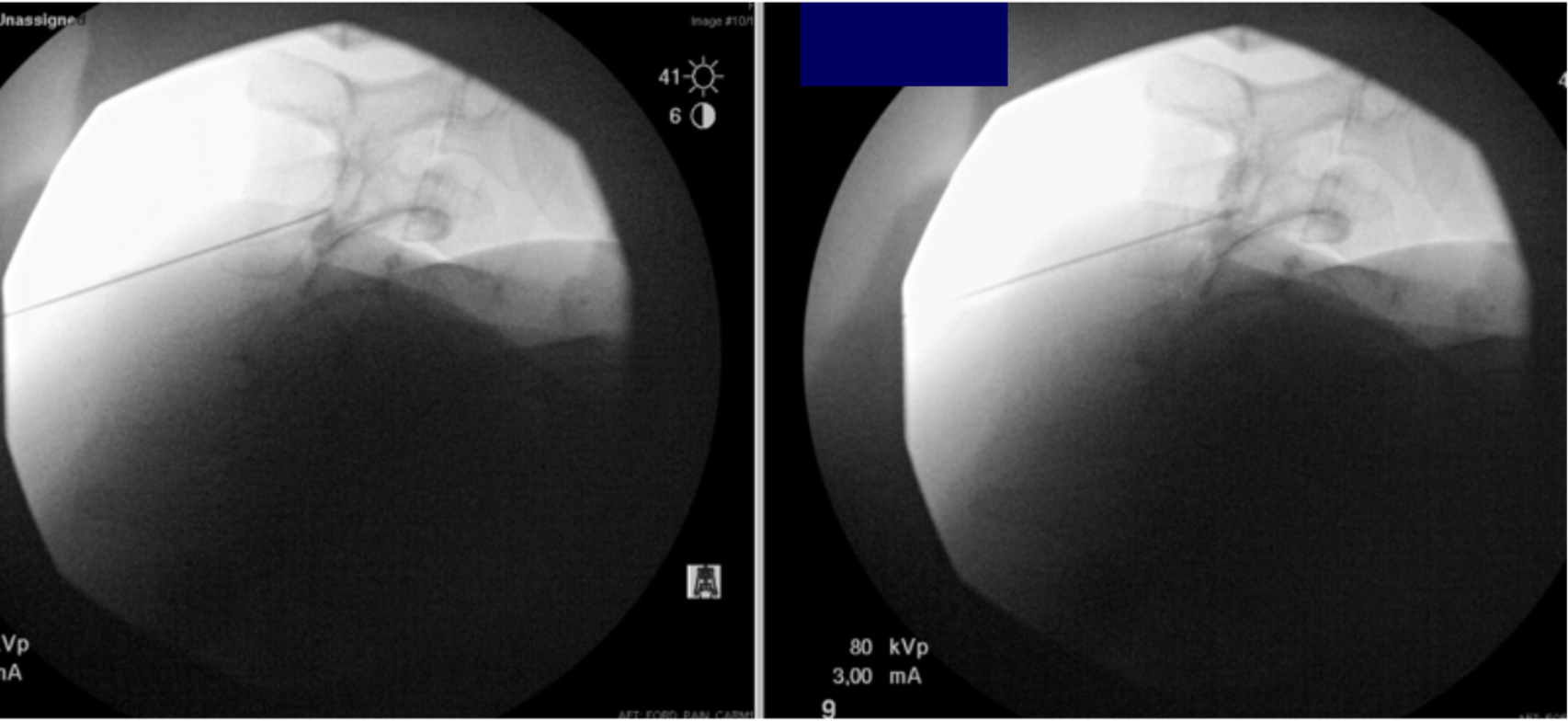
The STAR Study evaluated the effectiveness of percutaneous stellate ganglion block (PSGB) in terminating electrical storms of VF and VT in patients who have otherwise been generally unresponsive to ot
In Part 2 of this Critical Care Device series, we continue to learn about the Swan-Ganz catheter. Pulmonary artery catheters (PACs) are considered a valuable diagnostic and management tool in cardioge
Pulmonary artery catheters (PACs) are considered a valuable diagnostic and management tool in cardiogenic shock. For this application, their use is supported by recent evidence correlating their place