Millions of people come to the emergency department each year suffering migraine or other acute headaches; often, the pain is difficult to manage. But the literature shows the greater occipital nerve
Babesiosis can present with a varied clinical presentation, which can make it difficult to diagnose. However, one uncommon clue could be picked up on an ECG.
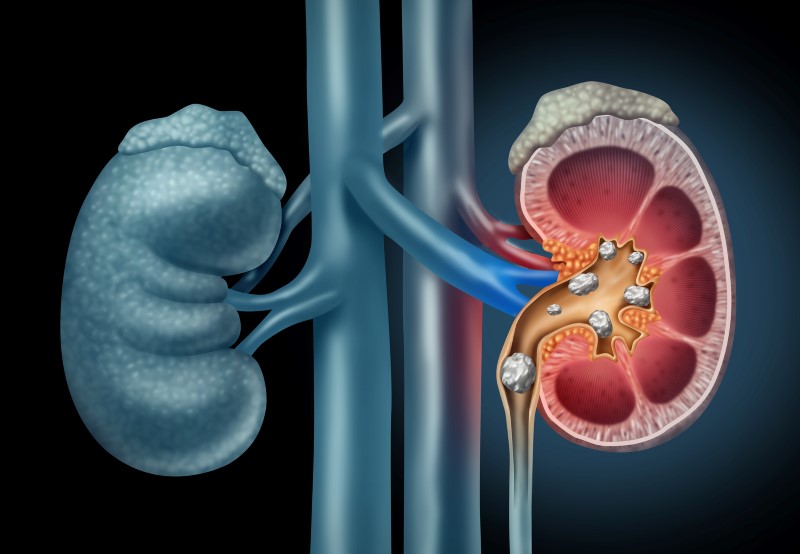
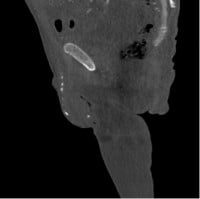
Urinary tract stones are a frequent chief complaint in the emergency department. Point-of-care ultrasound speeds a diagnosis and helps direct appropriate management.
“How long will I be in the hospital?” A review of the literature suggests that predicting length of stay at time of admission remains extremely difficult, and emergency physicians in particular are po
We present a case of bradycardia and dyspnea in an otherwise healthy young male found to have EKG abnormalities inclusive of third-degree heart block. The culprit? Lyme disease.
COVID-19 infections can trigger a cascade of comorbidities, including Behcet’s Disease. This rare condition causes chronic and remitting vasculitis, painful ulcers, and rash.
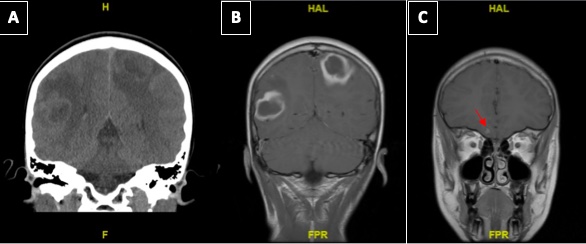
Acute, persistent headache in a pediatric patient with no recent trauma can have a broad differential and, in most cases, should raise red flags. This case demonstrates the evaluation and management o
Being a new attending in a department with senior residents who have practiced the same amount of time or even longer than yourself is a unique experience. Growing into this role is not without its ch
Vague neurologic symptoms, including impaired speech, can be difficult to diagnose and – for female patients – dismissed as behavioral. But commonly prescribed medications such as SSRIs may be a cause