Browsing: August 2016

MSC_Mentors_0816.jpg
EMRA Mentorship Program Check out EMRA's mentorship program! Many believe that having a physician mentor is one of the most valuable resources for medical students interested in becoming a successful
PD_Q-and-A_MSC_0816.jpg
Program Director Interview Series: Mary Westergaard, MD, FACEP | University of Wisconsin This month we interviewed Mary Westergaard, MD, FACEP, Program Director at the University of Wisconsin Emergen
News-and-Notes-LAC.jpg
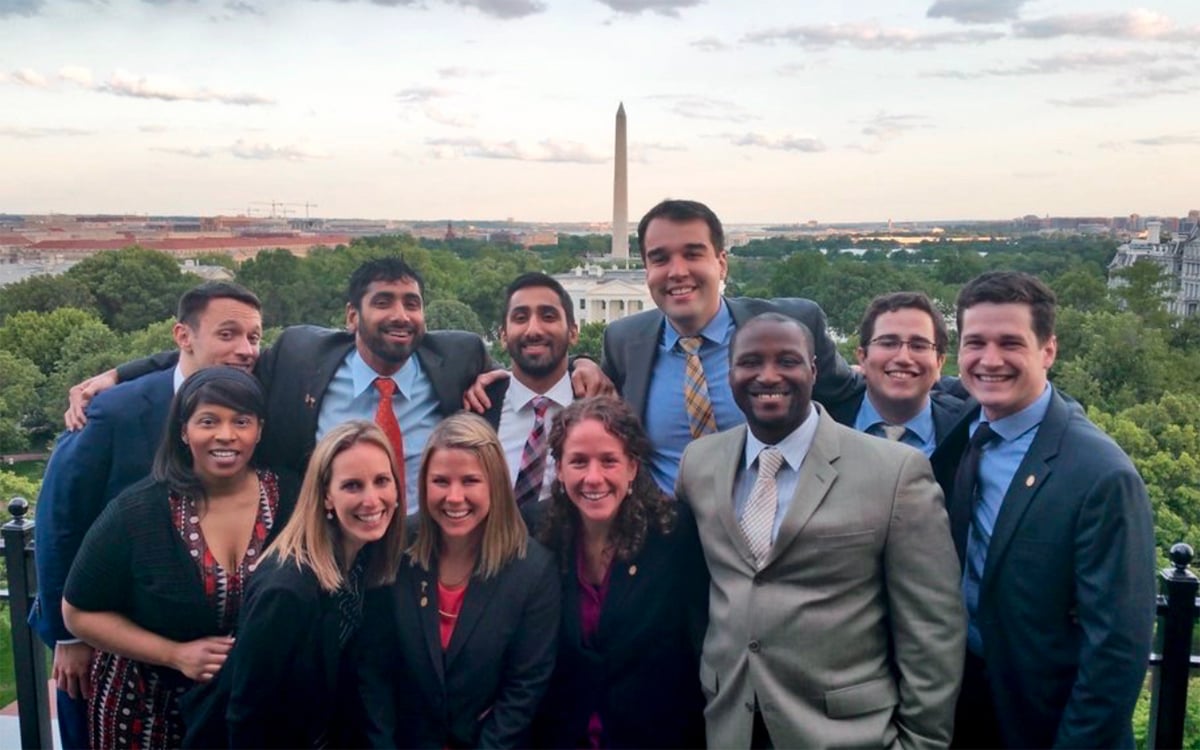
LAC 2016: Informative and Engaging On May 15-18 this year, more than 500 emergency physicians from around the country joined together in Washington, D.C., at the premier event for learning about and
Peds-CongenitalHeart.jpg
Diagnosis and Management of Pediatric Infective Endocarditis Pediatric infective endocarditis (IE) is a diagnostically challenging infection in children, as it often presents with vague or subtle sig
FamilyTree.jpg
How Becoming a Patient's Family Member Changed Me as a Doctor How on earth did patients and loved ones who have no formal training in health care or medicine manage to keep their composure when battl
ECG.jpg
ECG Challenge Case. A 75-year-old male with a history of systolic congestive heart failure, hypertension, diabetes, hyperlipidemia, and chronic obstructive pulmonary disease presents with shortness o
opiod.jpg
Introducing the ALTO Alternatives to Opioids Program Steven Stack, MD, FACEP, an emergency medicine physician and immediate past-president of AMA, confronted the crisis in an open letter to America's
sepsis-art.jpg
Sepsis-3: Redefining Sepsis What EM Residents Need to Know Sepsis definitions were last revised in 2001. Since then, discoveries have been made regarding the pathobiology, management, and epidemiolog
The-Maryland-State-House.jpg
In This State House: Life as a Physician in the Legislature There I was, sitting in Starbucks with a recently elected state representative. As a new healthy policy fellow and emergency physician, I w
diversity.jpg
Diversity and Inclusion in Emergency Medicine As our country grows more diverse, tackling health disparities is imperative to improving patient outcomes. After all, human experiences and cultural per