Browsing: April 2022

Ukraine health.jpg
The crisis in Ukraine has created a pivotal time for emergency physicians to provide the right type of aid and, eventually, help bolster EM education and practice within Ukrainian health care.
PD_Q-and-A_MSC_0816-702x336.jpg
In this month’s addition to the Program Director Interview Series we had the opportunity to chat with Charles Khoury, MD, MSHA to learn about the University of Alabama at Birmingham Emergency Medicine
ECGChal-New.jpg
A 67-year-old male with a PMH of HTN, HLD, DM, and COPD presents to the emergency department due sudden chest discomfort. What is your interpretation of his ECG?
49-2 Innovation Fellowship.jpg
The need for innovation in emergency medicine (EM) has never been greater. The pandemic has strained physical and emotional resources and exposed the fragility of volume-based, fee-for-service reimbur
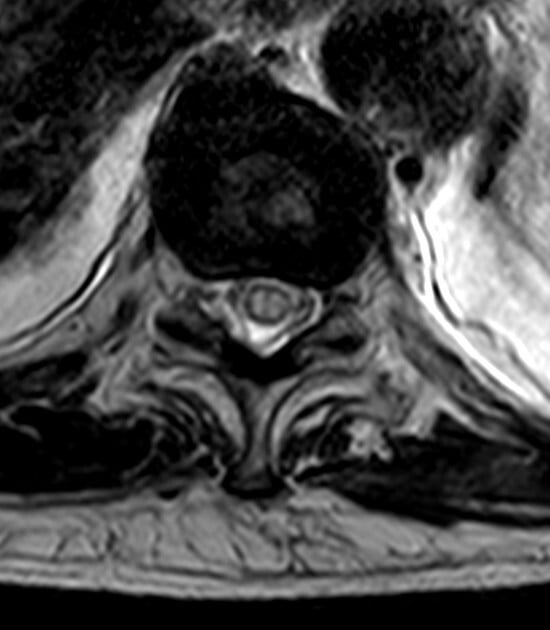
Spinal Cord Ischemia - AxialT2-OWL-EYES.jpeg
Spinal cord infarction is infrequent and if missed can result in significant mortality, disability (including irreversible paralysis), and reduced quality of life. Here we discuss a case of spinal str
Bot Fly Fig 1.jpeg
Ultrasound is a favored modality in emergency medicine. This case shows yet another application of this popular diagnostic tool - one involving subcutaneous larvae.
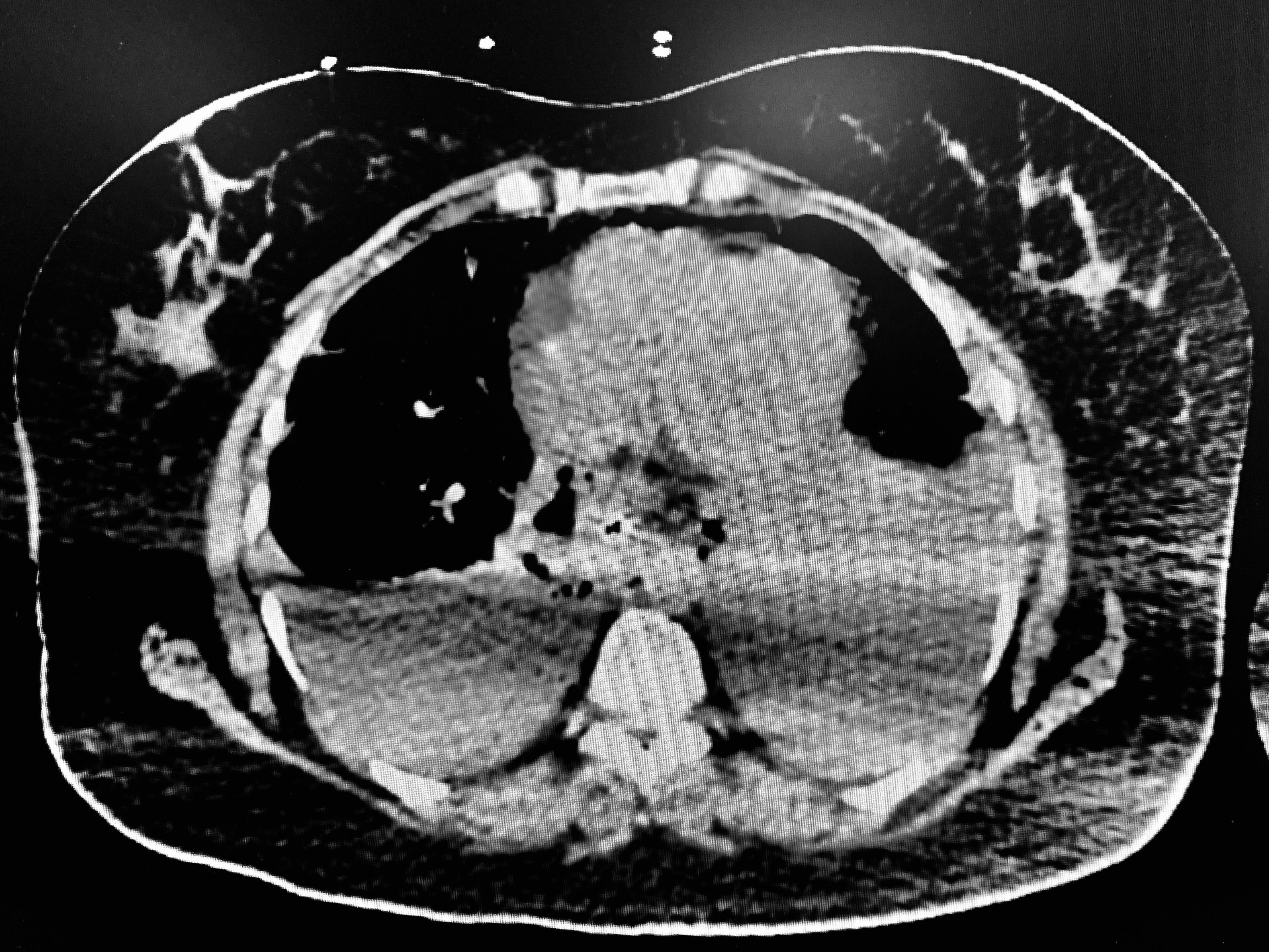
49-2 Boerhaave Fig 1.jpeg
Esophageal rupture is a rare condition that is recognized as one of the most fatal gastrointestinal injuries. Time to diagnosis is an independent predictor of mortality in acute esophageal rupture mak
49-2 Hyperglycemia.jpg
Although rare, chorea-hyperglycemia-basal ganglia syndrome is a presenting symptom of uncontrolled diabetes mellitus.
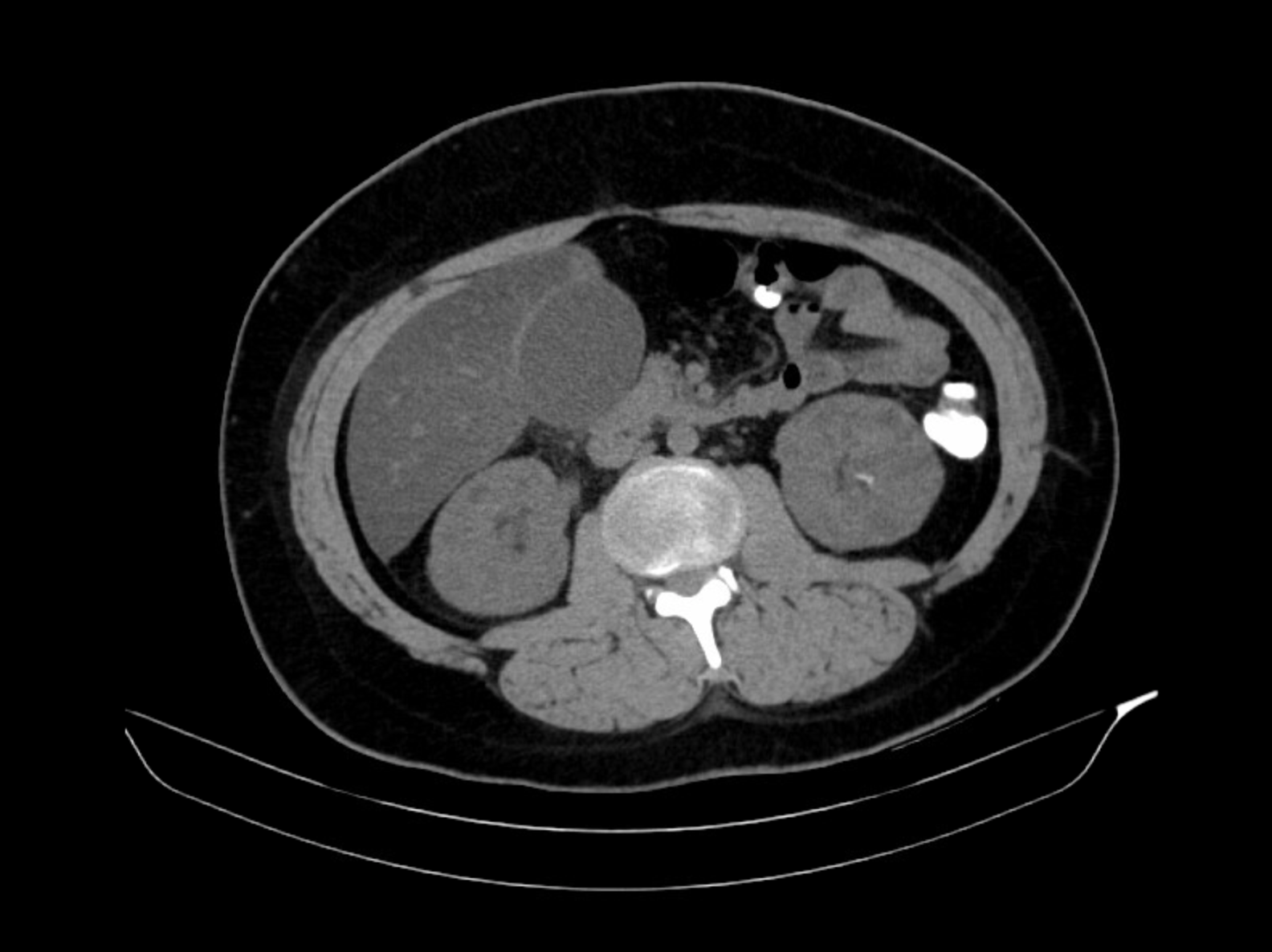
Gallbladder Hematoma Fig 1.png
Isolated traumatic gallbladder injury is extremely rare and must be thoroughly evaluated due to the complications associated with traumatic gallbladder injury.
49-2 Toxicology and Climate - anchor image.jpg
Climate health and public health are linked in ways that become more obvious every year. In this context, we will summarize the marine toxins that are sending more patients to the emergency department