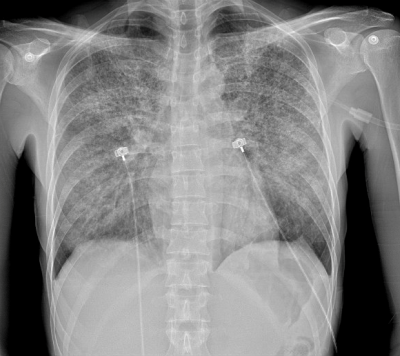
Pneumocystis pneumonia (PCP), an opportunistic infection attacking the lungs, can be a harbinger of other diagnoses. Clinicians should investigate while planning the best course of treatment.
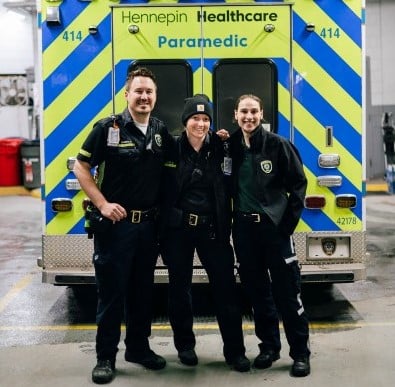
From hands-on and varied field experience to a deepened understanding of prehospital care and transition to hospital to your own response vehicle, reasons abound for EM residents to consider an EMS fe
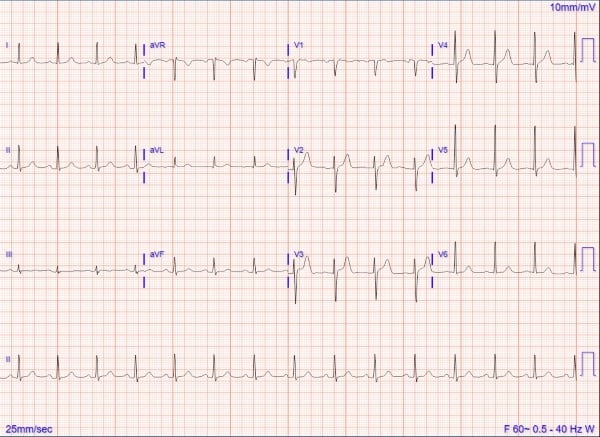
Quick recognition of the Bezold-Jarisch reflex triad of hypotension, bradycardia, and apnea is important for any physician who administers nitroglycerin. This knowledge can ensure positive patient out
Your skill alone is the only thing that should be necessary to convince anyone of anything. But in many situations, that's simply not the case. It can be hard to be the new kid on the track.
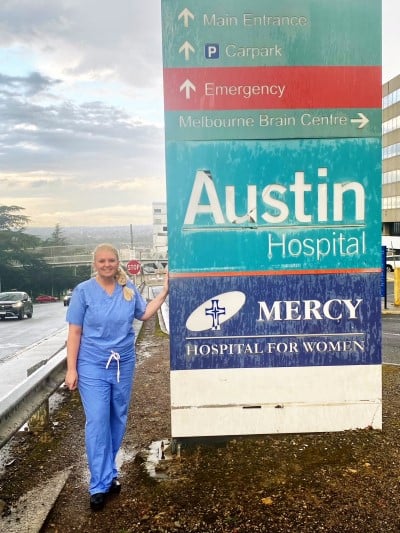
If you’re looking for an eye-opening elective, consider a toxicology rotation in Australia. EMRA Toxicology Committee Vice Chair Brittany Garza, DO, MPH, shares a firsthand account.
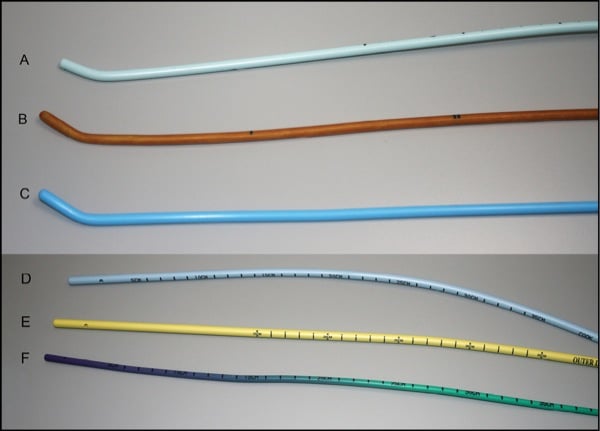
Up to 200,000 patients per year in the U.S. are given percutaneous endoscopic gastrostomy (PEG) tubes. A sizeable portion of those struggle with dislodged feeding tubes. A simple piece of airway equip
The EMRA Critical Care Committee's Roadblock series is the resuscitationist's guide to overcoming the obstacles in the normal algorithm of critically ill patients. Through this series, we will ask the
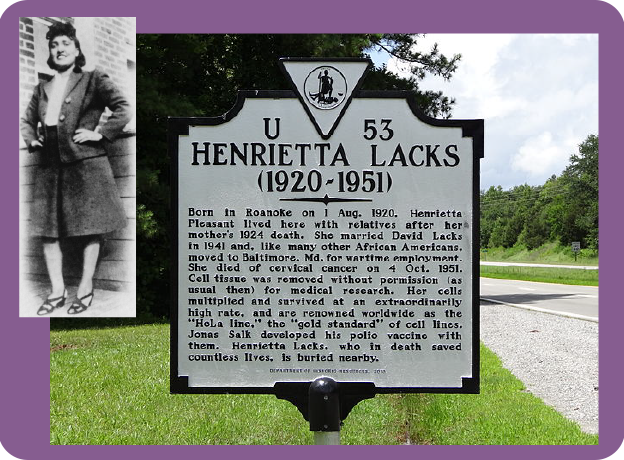
The EMRA Diversity & Inclusion Committee is proud to present "Why History Matters," a series that highlights leaders and events that illuminate the importance of diversity, equity, and inclusion in th
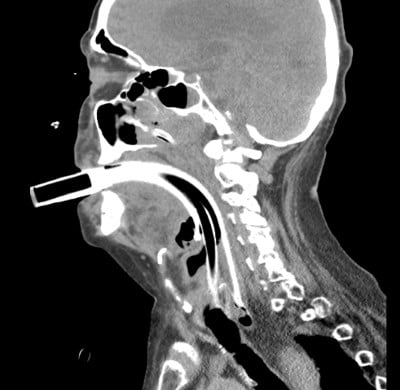
When trismus occurs, unconventional methods might be required to achieve and maintain the airway. This case highlights emergency medicine’s nimble approach to the difficult airway.
Myasthenia Gravis (MG) is an autoimmune neuromuscular disorder characterized by the formation of autoantibodies against postsynaptic acetylcholine receptors at the neuromuscular junction resulting in