



Browsing: Clinical

Top Stories 2021.jpg
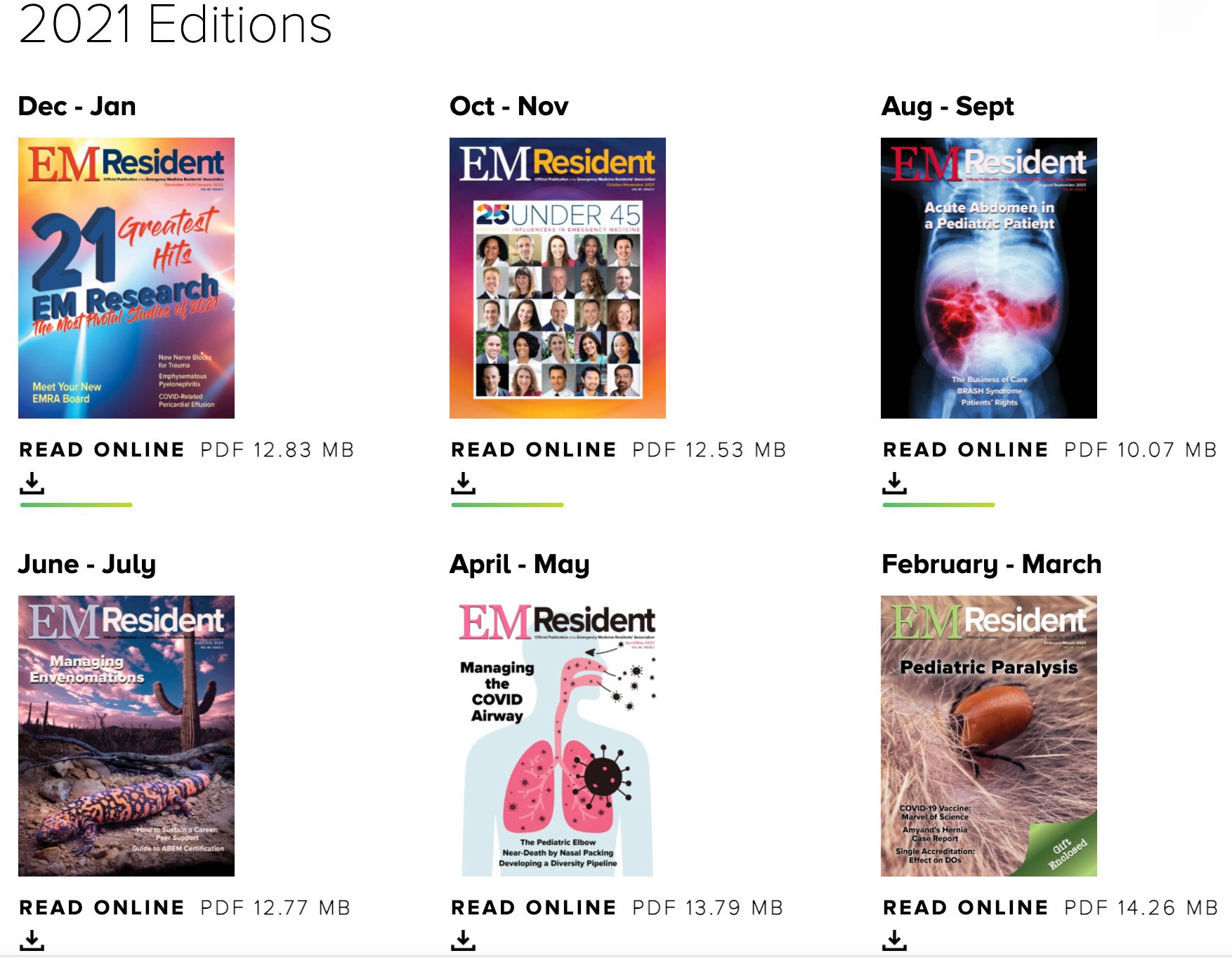
One of the best things about EM Resident is its enduring nature - core concepts and fundamental approaches stand the test of time, as proven by the fact that many of our most-read articles of 2021 wer
ECGChal-New.jpg
A 70-year-old male presents to the emergency department with syncope and lightheadedness. His past medical history is significant for heart failure with reduced ejection fraction, CAD status post perc
48-6 Human Trafficking.png
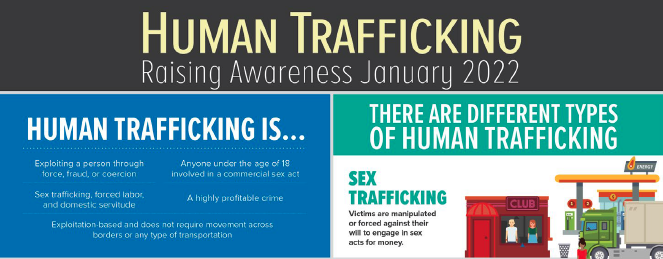
Healthcare providers may come into contact with victims of human trafficking and have a unique opportunity to connect them with much-needed support and services.
48-6 Pandemic PTSD.png
After months of working on the front lines, emergency medicine attending physicians, residents, and medical students are all familiar with the routines of the COVID-19 pandemic. They work under the we
48-6 Covid Face Shields.png
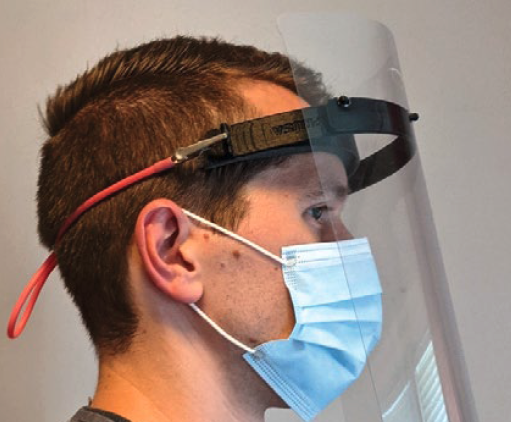
Supply chain disruption during the COVID-19 pandemic forced healthcare systems to look for alternative ways to meet dramatically increased demand for personal protective equipment. This paper outlines
48-6 SAPB.png
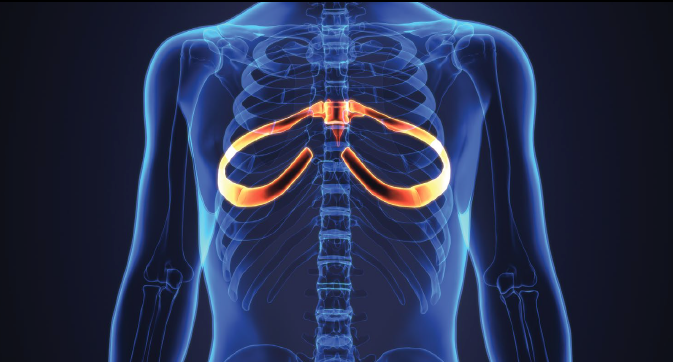
Elderly patients with chest wall injuries have a mortality rate up to 13% - attributed in part to the effects of pain. EAST guidelines offer a range of analgesic options, but ultrasound-guided serratu
48-6 FSGS.png
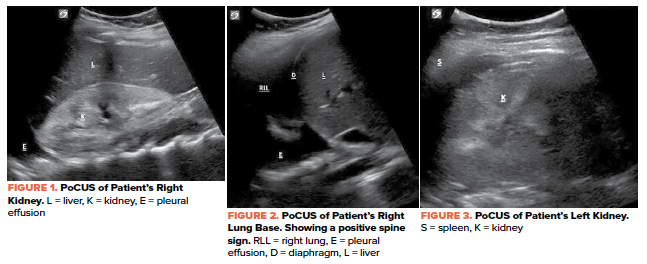
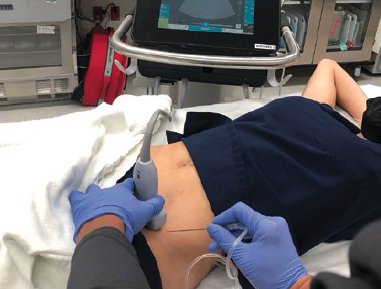
Point of care ultrasound can be used to help evaluate patients with suspected kidney pathology and to diagnose causes of renal colic, renal failure, hematuria, and decreased urine output. Compared to
48-6 PENG block.png
Hip fractures are common injuries evaluated in the ED. The majority of patients who suffer a hip fracture are over 80 years old, and as the population ages, the incidence of hip fractures is expected
48-6 Acetaminophen Toxicity.png
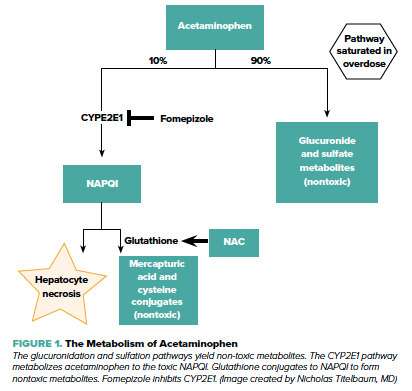
Acetaminophen toxicity is one of the most common causes of liver toxicity in the United States. New data reveals that fomepizole may be hepatoprotective in high dose acetaminophen toxicity when review
48-6 Patient Pronouns.png
There has never been a more critical time for the healthcare community to stand up for our trans and nonbinary patients. Using a person's chosen name and pronouns isn't difficult. It isn't radical. It