








Browsing: Topics

ResLifeFebMar15.png
Cost-Effective Equality & Residency The reason certain residencies have a robust global health or research program and others have mediocre ones is not that the opportunities don't exist — it's the d
NNT.png
The NNT: Reclaiming the Negative Space Taking into account the negative space, we have a more complete picture of the positive and negative effects of treatment and can make more informed decisions w
PresFebMar15.png
The Future of EMRA “Prediction is very difficult, especially about the future.” Both baseball legend Yogi Berra and Nobel laureate Neils Bohr are credited with versions of this saying. Regardless of
56570039.png
Foreign-Body Aspiration: A Pediatric Airway Emergency Foreign-body aspirations are potential life-threatening emergencies and are the leading causes of unintentional injury in children less than one
Endotracheal-Tube.png
Post-Intubation Hemodynamic Collapse in the Critically Ill Patient In patients with multiple comorbidities or severe underlying heart disease, ETI may precipitate cardiac ischemia or dysrhythmia lead
PedPitfallsJan2015.png
Readiness for Pediatric Patients in the Emergency Department From the December 2013 issue of Pediatric Emergency Medicine Practice, “Emergency Department Readiness for Pediatric Illness and Injury.”
bloodcells.png
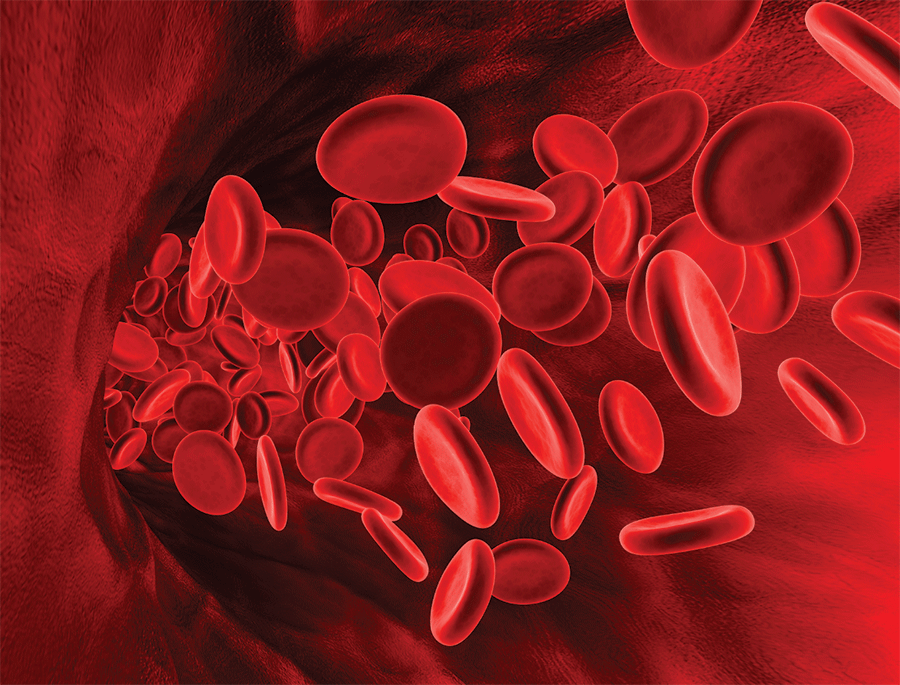
Patients with Anemia in the Emergency Department From the November 2013 issue of Emergency Medicine Practice, “Anemia In The Emergency Department: Evaluation and Treatment.” Reprinted with permissio
Ultrasound.png
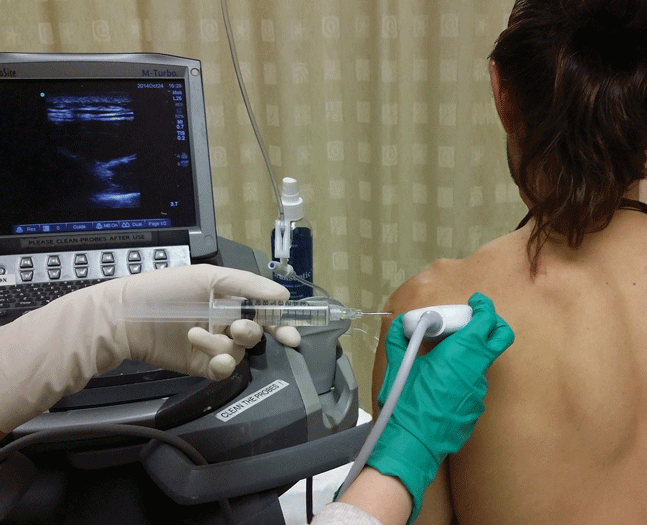
Breathing Easier With Point-of-Care Ultrasound Case A 60-year-old male rolls in by EMS with a complaint of shortness of breath. He was discharged from prison two months ago, at which time he ceased a
VD-MainJan15.png
Rash Findings THE CASES Case 1 The Patient A 48-year-old male presents with a painful rash on his left chest, back, and in his axilla. He states that he developed worsening pain in the area for 3 day
HP102.jpg
Health Policy Statistics 102: Medical Students Perceptions and Policy Education Previous data has shown that nearly half of graduating medical students felt that their medical school provided inadequ