


Browsing: Topics

LGBTQ Anchor Art.jpg
Understanding basic terminology, health disparities, and ED-specific concerns relevant to LGBTQIA+ patients is a timely and urgent task for emergency physicians. Studies have shown that provider incom
Tattoo Anchor Art.jpg
This article focuses on the appropriate empiric treatments for tattoo-related complications in the emergency department.
Neurosyphilis Anchor Art.jpg
New cases of syphilis are on the rise, so have a high index of suspicion in patients with any risk factor or symptoms. Consider neurosyphilis in patients with prior history of syphilis and any headach
Valacyclovir Anchor Art.jpg
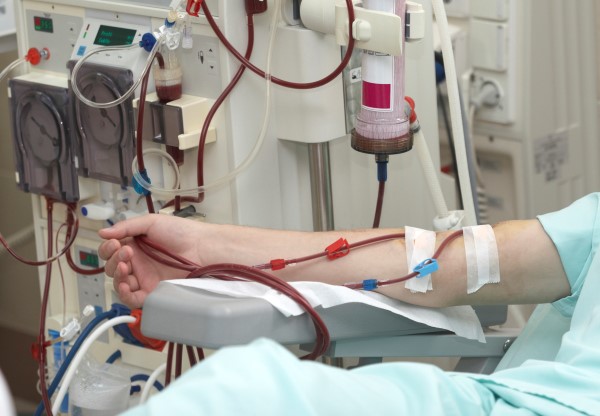
Valacyclovir-associated neurotoxicity (VAN) is a relatively rare phenomenon. This case report details a unique presentation of VAN in a hemodialysis-dependent patient. It underscores the importance of
Q1 Editor Forum Anchor Art.jpg
As fellow residents, we have a unique relationship with one another. This role as resident and teacher is a responsibility, but it is also an opportunity. We can cultivate a learning environment for e
EMRA is pleased to welcome the newest members to the EMRA Board of Directors: Blake Denley, MD, president; David Wilson, MD, president-elect; Jacob Altholz, MD, vice speaker of the council; Joe-Ann Mo
The EMRA and ACEP Health Policy Academy is a highly selective, year-long program that trains you to become a policy advocate in emergency medicine. It’s designed to give passionate residents like you

Ketamine Anchor Art.jpg
Depression and suicidality are common presenting complaints in the ED and require vast resources to fully evaluate, treat, and determine appropriate dispositions for patients. Our case illustrates how
ECMO Anchor Art.jpg
There is no shortage of literature supporting the role of ECMO in acute coronary syndrome, sepsis, acute respiratory distress syndrome, cardiac arrest, pulmonary embolism, traumatic pulmonary contusio
MCS Anchor Art.jpg
A mechanical circulatory support (MCS) device is a surgical option for patients who have had unsuccessful experiences with optimal medical therapies for advanced heart failure. These therapies ideally