









Browsing: Topics

PD interview photo March.jpg
In the latest installment of our PD Q&A series, we are highlighting the Emory University Emergency Medicine Residency program. We spoke with the current PD Dr. Jeffrey Siegelman about what makes their
DVT 0.jpg
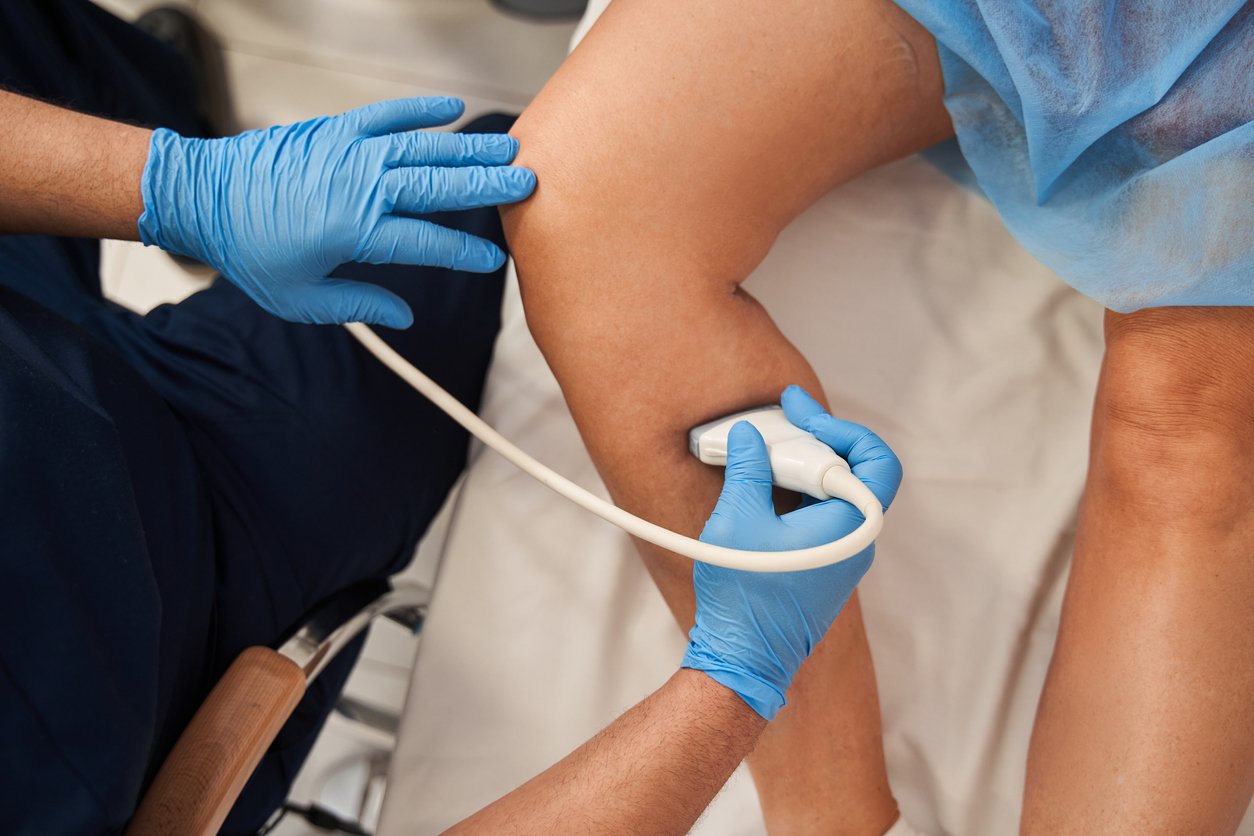
Deep venous thrombosis is a can't-miss diagnosis. Learn how to use the 3-point ultrasound exam to make sure DVTs do not go unnoticed.
CCA - noninvasive airway.jpg
How reliable is the old adage, "GCS less than 8, intubate"? A randomized trial examines the effect of intubation vs. noninvasive airway management for poisoned patients with GCS less than 8.
hpjc-0224.jpg
Social determinants of health are an important and well-documented driver of health care utilization and outcomes - so important, in fact, that there's a class of ICD codes specifically for it. Are yo
Roadblock - goals of care.jpg
The EMRA Critical Care Committee's Roadblock series is the resuscitationist's guide to overcoming the obstacles in the normal algorithm of critically ill patients. Through this series, we will ask the
Program Director Interview 2024
In the latest installment of our PD Q&A series, we are highlighting the University of Virginia Emergency Medicine Residency. We spoke with the current PD Dr. Amita Sudhir, MD about what makes their pr
Pediatric GI Anchor Art 2.jpg
Pediatric GI bleeding is a somewhat uncommon presentation to the emergency department. Disposition is critical for the pediatric patient with a suspected GI bleed. In the unwell-appearing child regard
President's Message Anchor Art.jpg
As the voice of emergency medicine physicians-in-training and the future of our specialty, EMRA continues to believe that the future of EM is bright while remaining committed to facing reality and add
ECGChal-New.jpg
A 74-year-old male with a PMH of HTN, CKD, and HFpEF presents with exertional weakness and near-syncope for the past 2 days. What is your interpretation of his ECG?
Encephalitis Anchor Art.jpg
Emergency physicians should maintain a high degree of suspicion for anti-NMDA receptor encephalitis (ANMDARE) and ovarian teratomas in young female patients presenting acutely with psychiatric symptom