







Browsing: Topics

48-3 Lessons in Vulnerability.jpg
Completing an EM intern year during the pandemic was...daunting. Along with seeing so much sadness these past months, every day I wonder – did I matter? Did I make a difference?
ECGChal-New.jpg
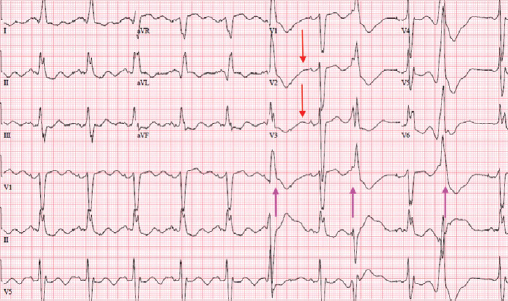
A 55-year-old female presents from home due to a brief episode of unresponsiveness and AMS. What is your interpretation of her ECG? (Bonus points if you identify the less obvious abnormality.)
48-3 Excipient Lung Disease.png
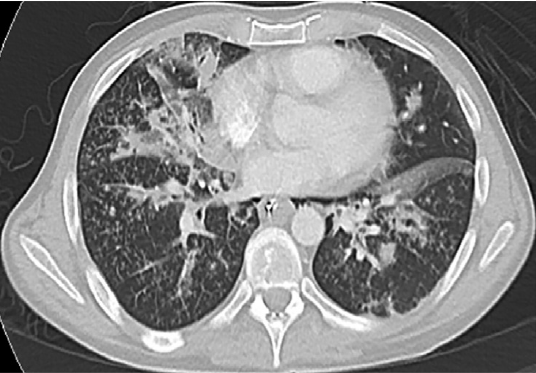
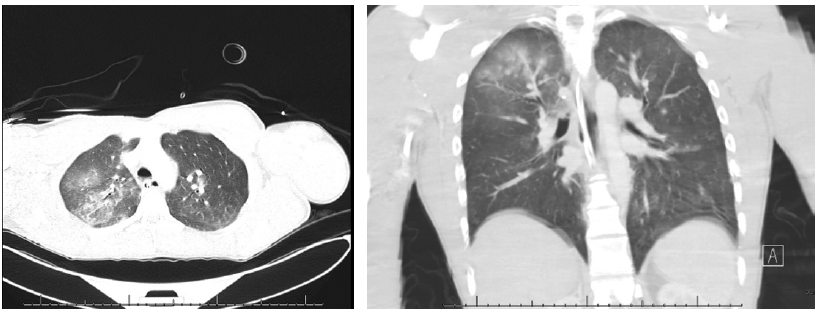
Include excipient lung disease (ELD) in the differential diagnosis when evaluating and treating a patient with a history of intravenous drug use presenting with respiratory failure and typical finding
48-3 Envenomations.jpg
Post-pandemic vacations are picking up steam - and outdoor getaways remain popular. Are you ready to handle bites, stings, and other envenomations?
48-3 Electrical Injury.png
Electrical injuries range in severity from minor cutaneous burns to life-threatening internal organ damage and death. These injuries account for at least 30,000 non-fatal incidents and 1,000 fatalitie
48-3 Post-Splenectomy Infection.jpg
Although it is rare, it is important to recognize C. canimorsus sepsis, as it is associated with high mortality rate and the patient can deteriorate rapidly.
48-3 Editor Forum.png
July marks a turning point each year, as new interns arrive in programs throughout the country, newly graduated residents launch the next phase of their careers, and medical students take the next ste
48-3 EMRA as MVP.jpg
Times are changing for EM health policy and reimbursement with the recent shift toward value-based care and away from fee-for-service models. EMRA helps you keep up with the developments that will aff
48-3 Patient Outcomes ED-obs.jpg
It is estimated that syncope workup and management costs the U.S. healthcare system an annual $2.4 billion. How can ED observation units impact those expenses?