






Disaster medicine is a growing niche in emergency medicine. Two experts in the field, Paul Auerbach, MD, MS, FACEP, and Thomas Kirsch, MD, MPH, FACEP, share insights in this Q-and-A.
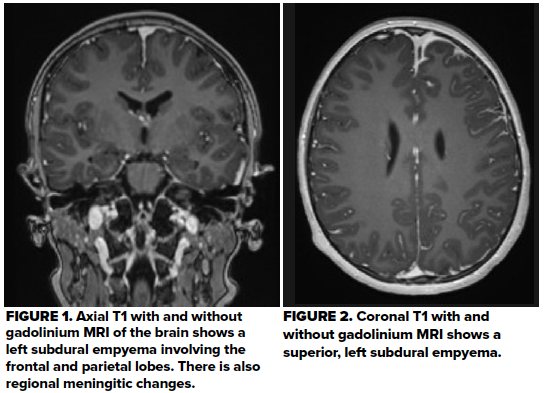
Subdural empyemas are associated with significant morbidity and mortality if not recognized and treated promptly. The condition leads to purulent fluid collections between the dura and arachnoid mater
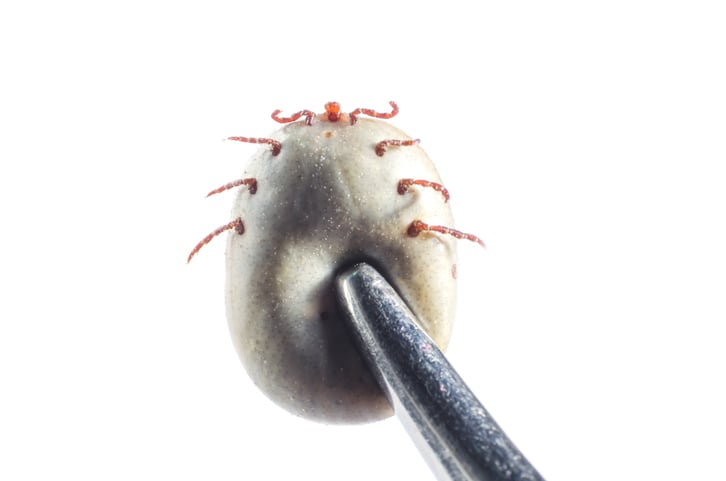
The presentation of motor weakness in children is often alarming, difficult to characterize, and involves a large differential of uncommon pathologies. Tick paralysis is a rare but important cause of
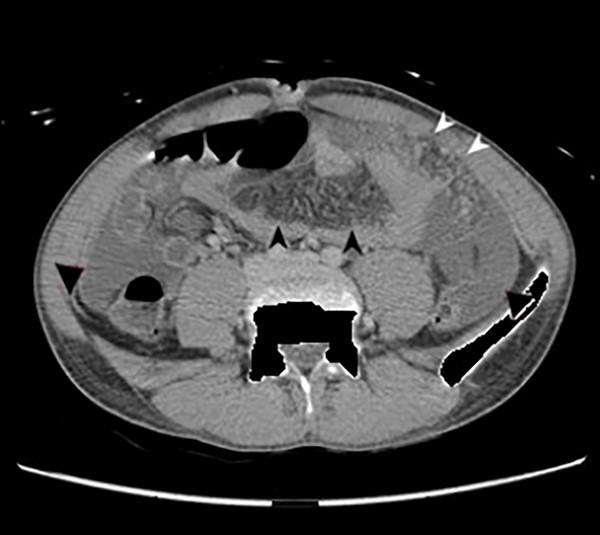
A sick teen held in an ICE detention center was taken to the emergency department with non-specific findings of ascites and lymphadenopathy. Ultrasound helped differentiate omental tuberculosis from o
As doctors, we are driven to help others. We also want to strengthen our community and propel our fields forward. I sought this fulfillment by involving myself in a medical project abroad.
In a year ravaged by a global pandemic and uncertainty, three EMRA physicians-in-training were selected for the unique opportunity to be 2020 EMRA/EDPMA Scholars.
What is the prevalence of gonorrhea, chlamydia, and trichomonas co-infection rates, and if rapid testing for trichomoniasis is unavailable in the emergency department, should the clinician empirically
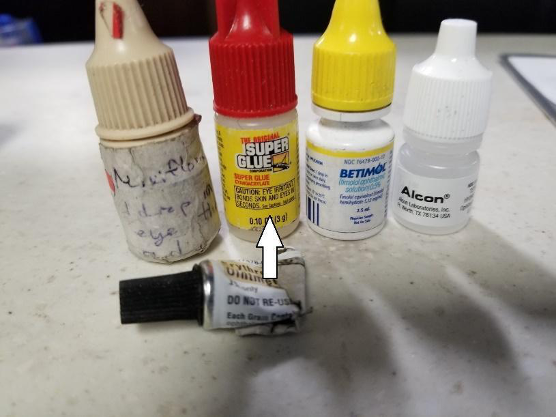
Cyanoacrylate adhesive (superglue) is a common household product that is inadvertently instilled in the eye on rare occasions, with complications including conjunctivitis, corneal abrasion, conjunctiv
How can you safely get outdoors? What do you need to plan to stay safe? How can you spend time in the wilderness responsibly? What impact can you have on the health of our planet and its future after
As the U.S. struggles to flatten the ever-rising curve of COVID-19, the virus has revealed a new weakness in the health care system. Despite putting their own health at risk to treat victims of the pa