








Larger Aspirations: Support for Organizational Resident Involvement
When program directors review applications for potential candidates for the incoming intern class, one of the aspects assessed is t
In Shock: The Approach to Pediatric Sepsis
Introduction and Sepsis Review Whether in a pediatric or adult patient, the physiologic process of sepsis remains the same. Sepsis is a systemic inflammator
Backing Up the Evidence: Systematic Review and Meta-Analysis
A meta-analysis or systematic review (MA/SR) can be a powerful tool to aggregate data on a specific question and arrive at a universal ans
Ethical Dilemmas During the Global Health Elective
The Other Side of the Looking Glass The blood will not stop flowing. Marked with many of the sequelae of late-stage AIDS, my 19-year-old HIV-positiv
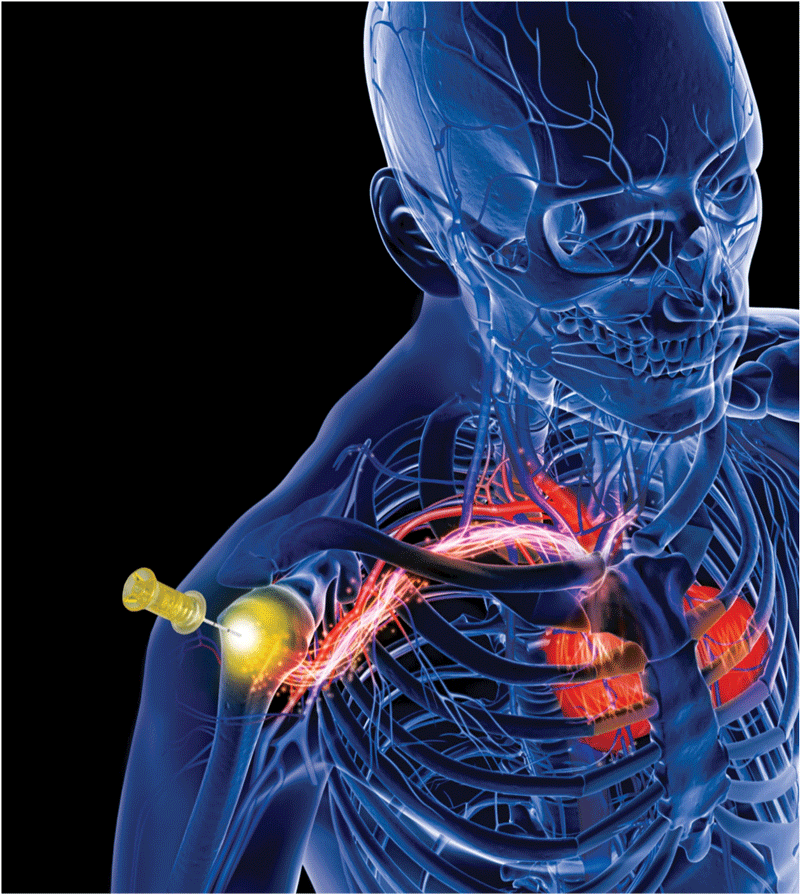
Resuscitation and the Humeral Intraosseous Line
A lethargic 56-year-old female with a history of end stage renal disease and intravenous drug use presents with hypoglycemia and severe hypotension. De
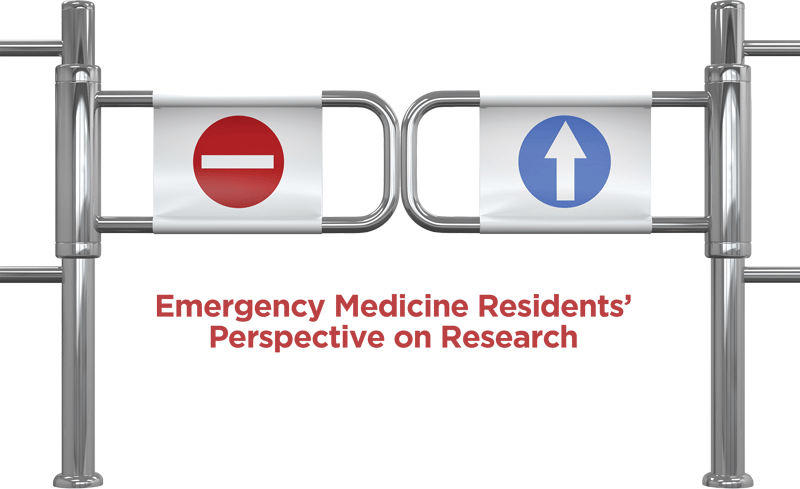
Researching Barriers
Research — An Important Skill? The Accreditation Council for Graduate Medical Education (ACGME) states that a medical “curriculum must advance residents' knowledge of the basic p
National Movements and Local Roots
EMRA Continues to Represent its Members on the Largest Stages Hello EMRA members! It has been so exciting serving as your Vice Speaker. I joined the now 13,000+ mem
Building EMRA
Your Growth, Our Evolution In my seven years as an EMRA member, I have seen our association grow in size, strength, and influence. We've added not just members, but also accomplishments
It's Never Too Early
Over the past 20 years, I have had the opportunity to work with thousands of different financial situations, encompassing many different practice and income models, as well as ma
Wake-Up Call: Fear and Empathy in Emergencies
The shrill sound of my pager rang me out of my early-morning stupor at 5 a.m. The small screen indicated that a Level 1 trauma was heading our way soon –