Browsing: Critical Care Alert

CCA-Hyperion.jpg
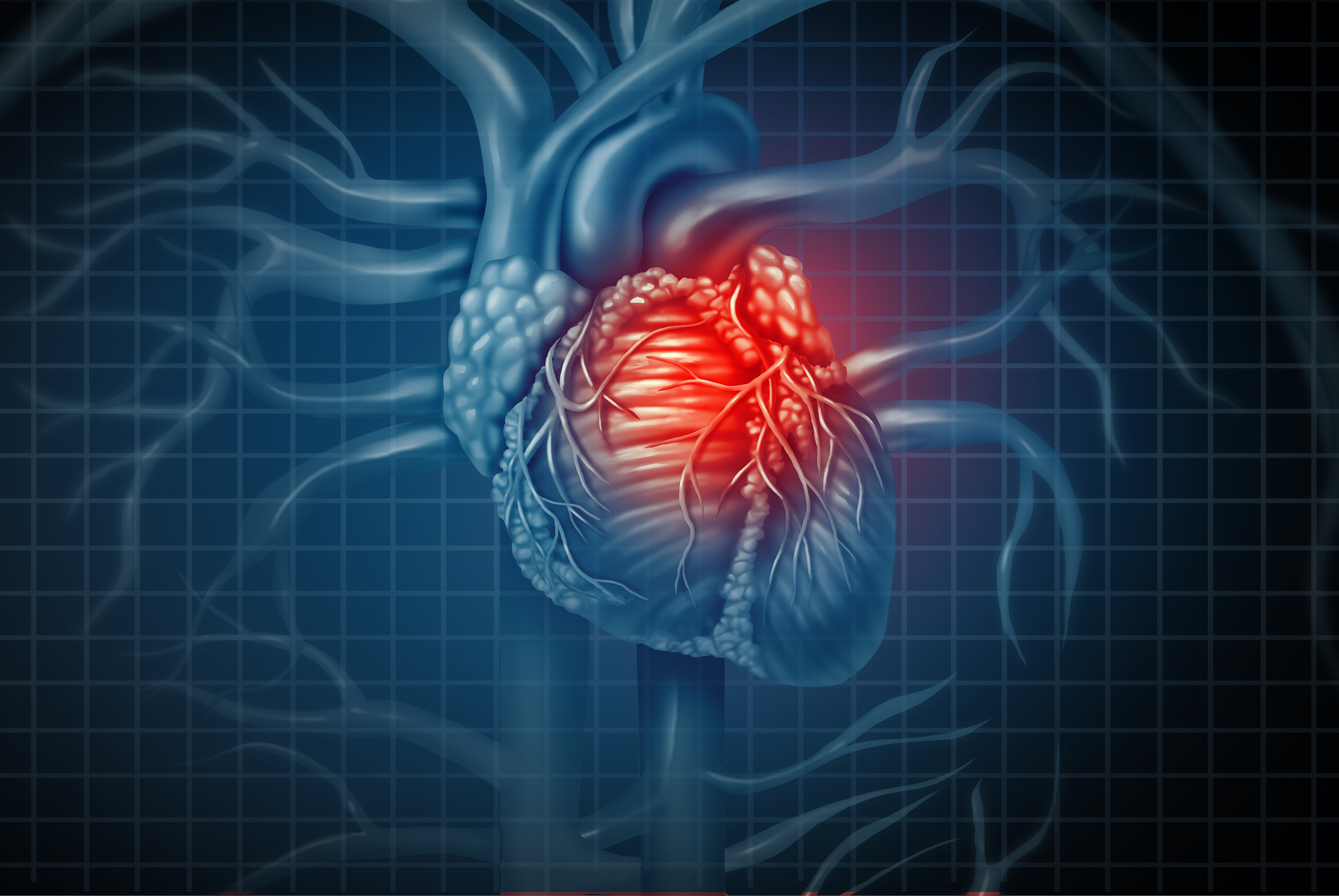
Moderate therapeutic hypothermia could be another tool in treating cardiac arrest patients. But how much should a patient be cooled? The HYPERION Trial doesn't resolve that debate.
CRASH-3 Anchor Image.jpg
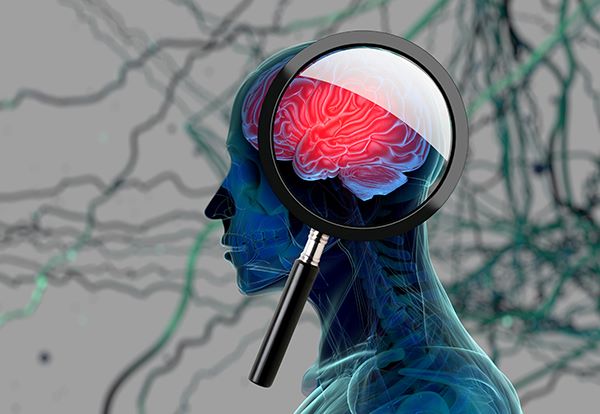
Released in October 2019, CRASH-3 is the latest trial exploring the benefits of tranexamic acid, this time in traumatic brain injury. The bottom line: TXA hasn't been shown to reduce mortality.
Critical Care Alert - sep-1 image.jpg
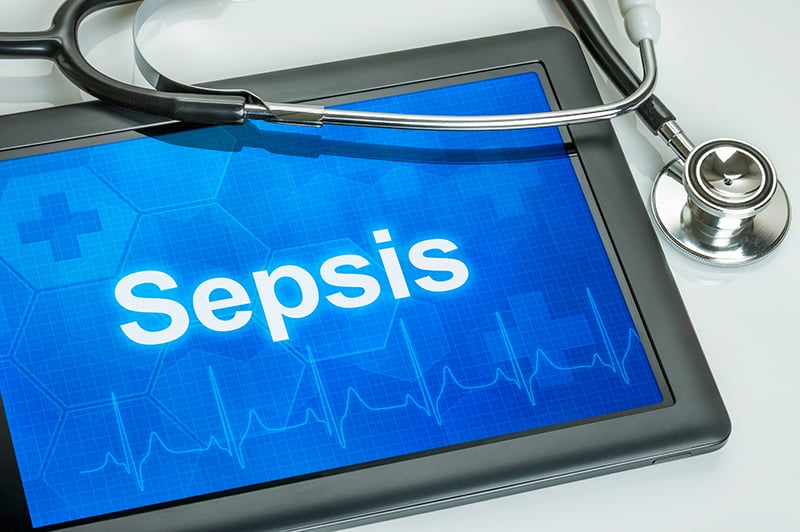
The SEP-1 core measure instituted by CMS has been hotly debated. A new review of literature shows a lack of high-quality evidence to back up the specificity required in the sepsis bundle.
Critical Care Alert - RIFTS.jpg
Fluid resuscitation guidelines for severe sepsis and septic shock presently address only the initial phase of resuscitation. The RIFTS trial examines the efficacy of a restrictive IV fluid resuscitati
CritCare Alert - Rose Trial.jpg
Does early neuromuscular blockade accompanied by heavy sedation in ARDS cases improve all-cause in-hospital mortality rates? The ROSE trial investigates.
Critical Care Alert - Andromeda.jpg
When trying to resuscitate patients with septic shock, which offers better guidance for intervention: measuring capillary refill or trending lactate levels? The Andromeda SHOCK trial studied patients
CPR_Chest_Compressions.jpg
The study authors sought to examine the effect of closed chest compressions on cardiac arrest due to hemorrhagic shock versus whole blood resuscitation.
CritCare Alert - CENSER.jpg
The study authors sought to examine if early norepinephrine administration in patients diagnosed with septic shock improved shock control by 6 hours compared with standard care.
Lady_IV.jpg
Surviving Sepsis Guidelines recommend crystalloids for initial fluid resuscitation then switching to albumin when crystalloids are insufficient. There is debate regarding using colloid as an initial r
CritCare Alert - Bag Mask Vent.jpg
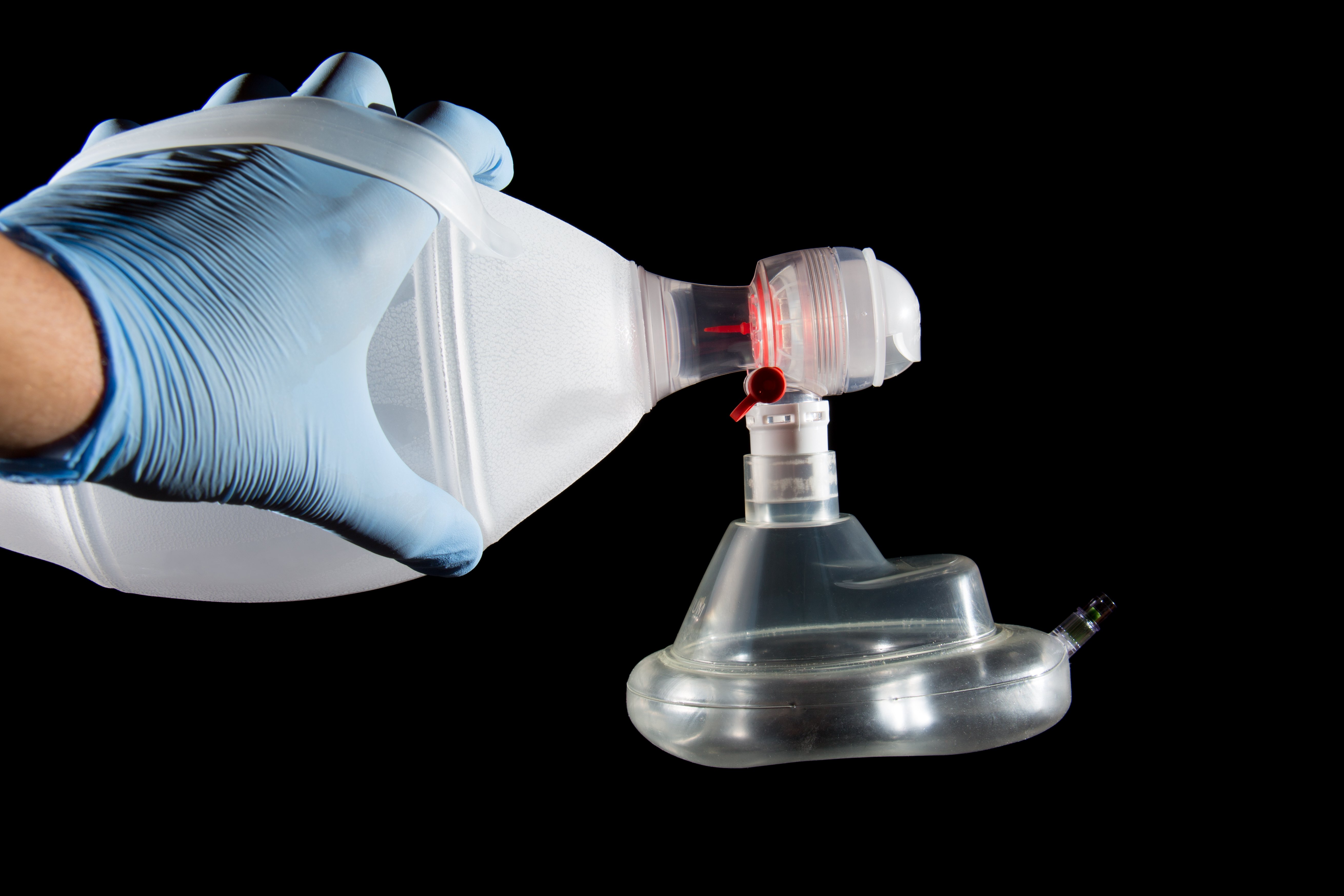
Does the application of positive pressure ventilation by bag valve mask during tracheal intubation improve outcomes in critically ill patients?