The EMRA offices will be closed for the upcoming holidays from Wednesday, December 24, 2025 until Monday, January 5, 2026. We apologize for the inconvenience.
Providing palliation and end-of-life care has become an important aspect of emergency medicine; this has become especially relevant during the COVID-19 pandemic. Comfort measures and terminal extubati
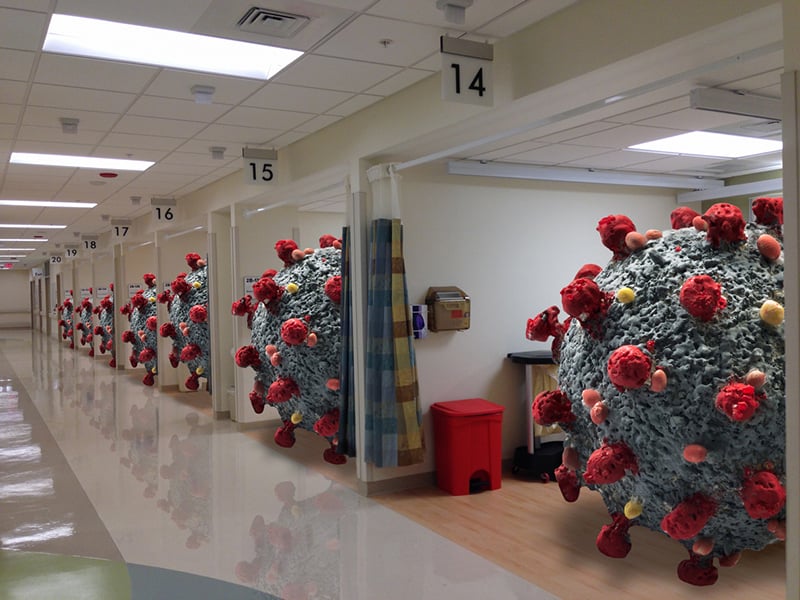
In the midst of a global pandemic, with worsening COVID-19 case numbers in the United States, the fair and equitable allocation of limited health care resources poses a challenge. How can clinicians p
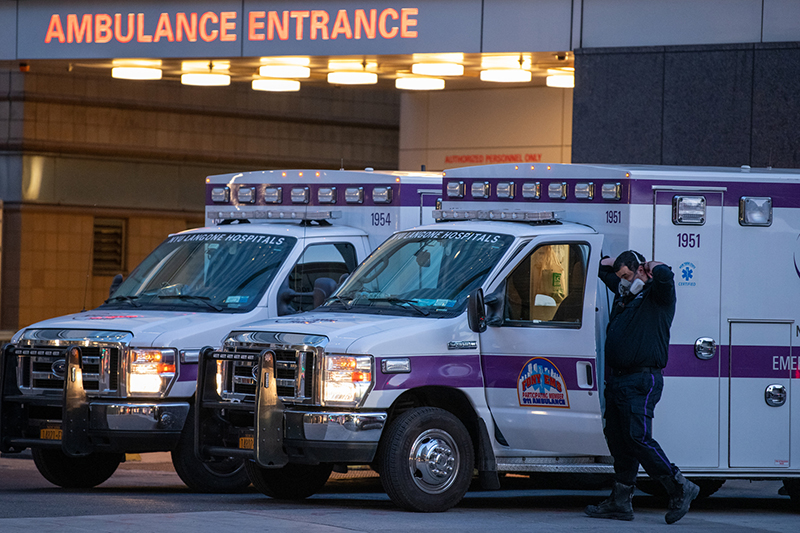
Prehospital personnel are truly on the frontlines of medicine, and they have been dramatically affected by the SARS-CoV-2 pandemic. As protocols shift according to supplies and emerging research, how
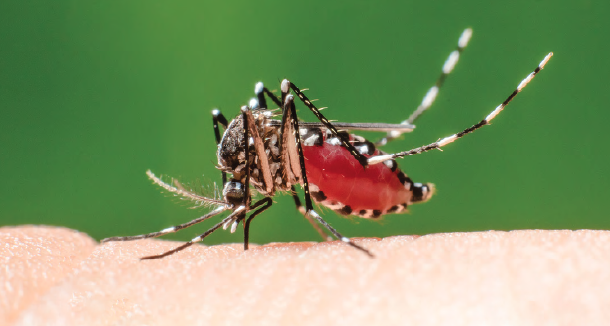
Malaria is a potentially life-threatening disease caused by the Plasmodium parasite. Symptoms usually present 1–4 weeks after infection but can present months to years later depending on the species.
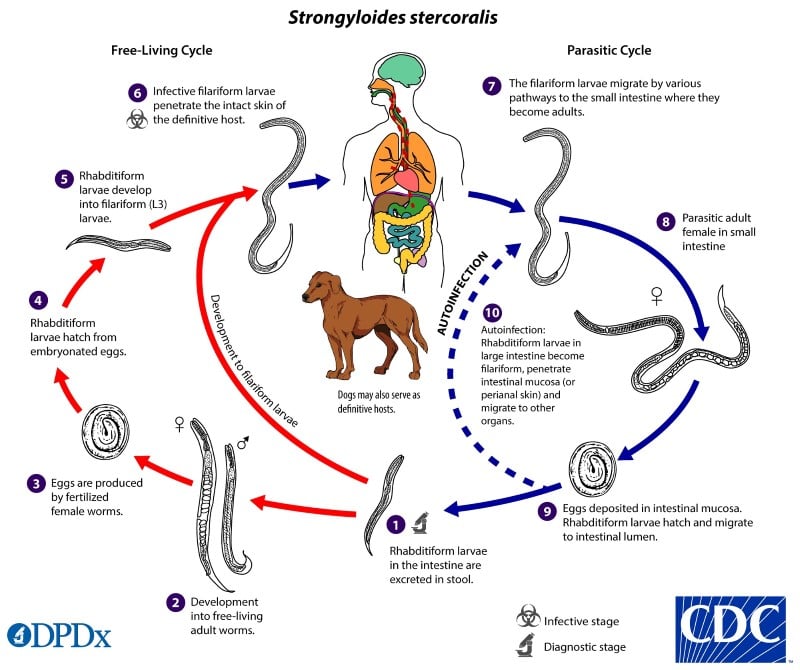
Strongyloidiasis is an infection of the parasitic nematode, Strongyloides stercoralis. This condition is well-known in global health as a concern among immigrants and refugees, but it is also present
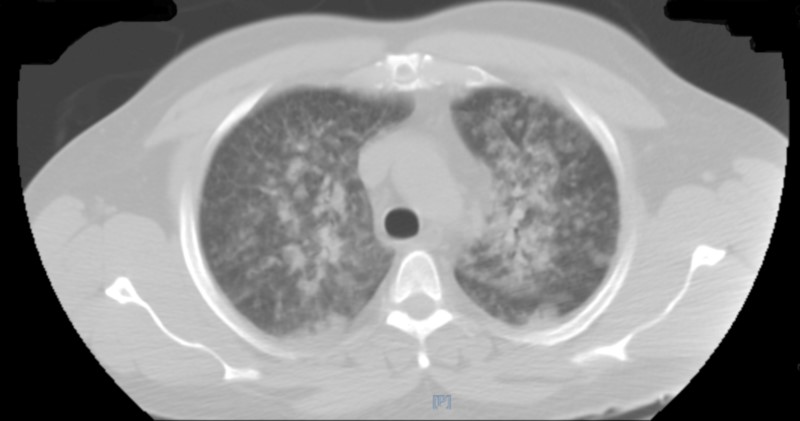
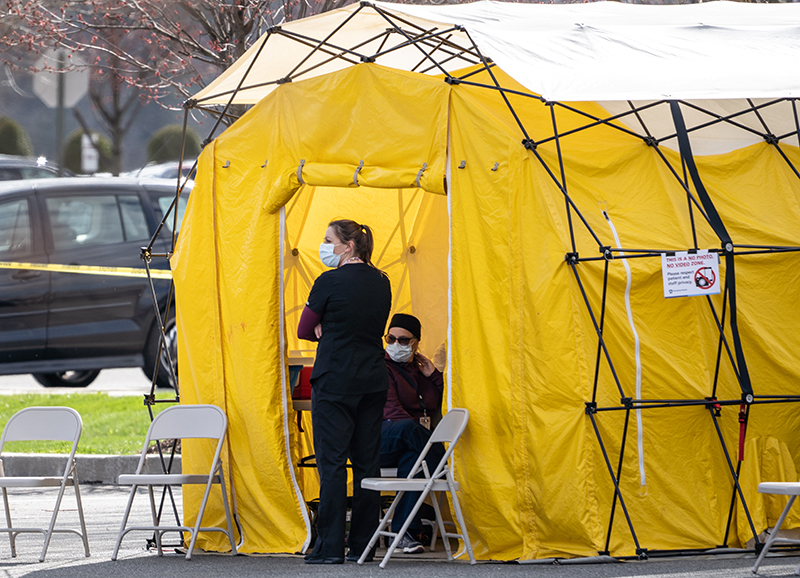
Nearly every aspect of patient care — from triage to discharge, from documentation to intubation — has been revised in an effort to streamline care of COVID-19 patients. Concerns around minimizing pro
Most antibiotics in use today fall into just 10 categories - but there are more than 100,000 known antibiotic-resistance genes spanning almost every known antibiotic class. Yet the rate of development
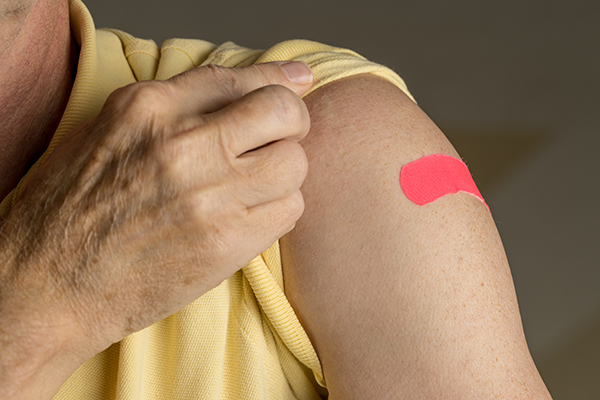
ED vaccination strategies have been successful and reimbursable and are advocated by several major clinical practice advisory groups. So why aren't we offering flu vaccines routinely?
Are you tired of sheltering in place during the coronavirus pandemic? Disgruntled with the same 4 walls and familiar faces that mark your experience with COVID-19? An emergency physician wants you to