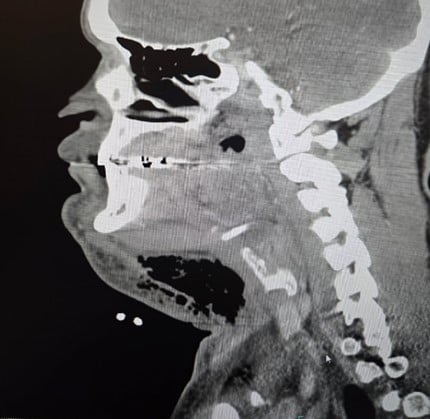
Ludwig’s angina is a rapidly progressing and potentially fatal infection that requires rapid identification and management. Learn the basics of recognizing and initiating treatment for this critical c
While opsoclonus-myoclonus-ataxis (dancing eye-dancing feet syndrome) may seem rare and complex, its early identification in the ED can be life‑altering. When faced with an unusual movement disorder a
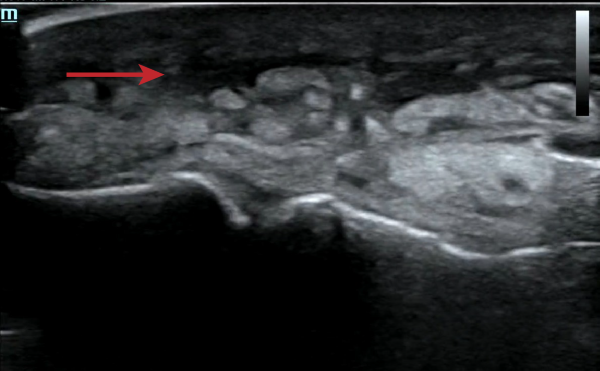
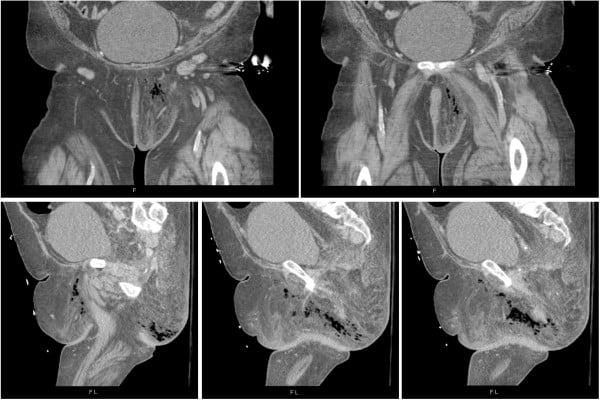
Because necrotizing fasciitis requires early recognition and rapid decision-making, POCUS has become a valuable diagnostic tool in the emergency department, offering the advantage of immediate bedside
A safety precaution as simple as a mask has become the symbol of the struggle physicians face during – and after – a public health crisis. Whether it was the Black Death or COVID-19, the physician’s m
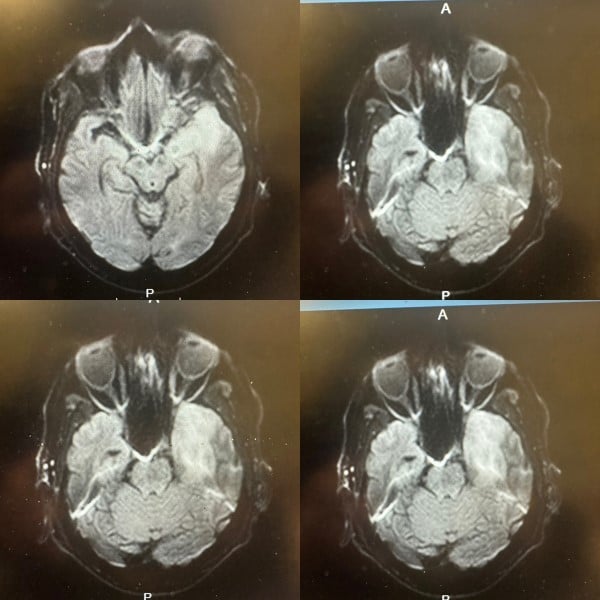
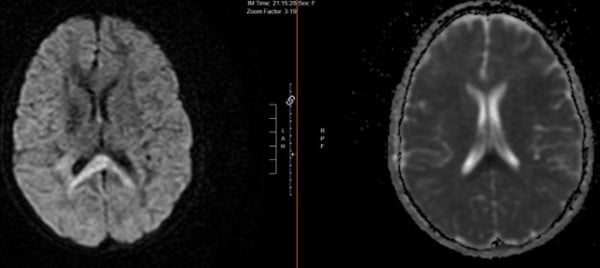
Herpes simplex virus type 1 (HSV-1) encephalitis is the most common cause of sporadic fatal encephalitis worldwide. The clinical syndrome is often characterized by the rapid onset of fever, headache,
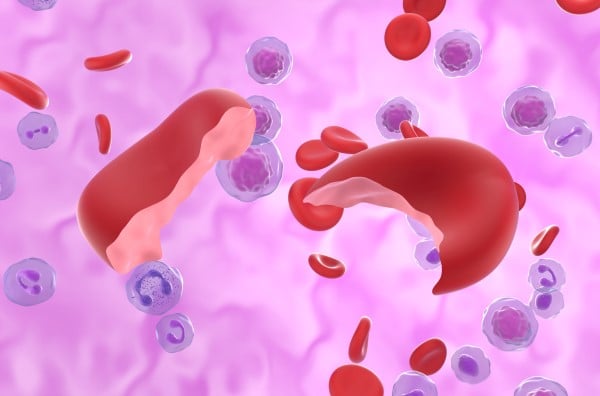
Cold agglutinin syndrome is an autoimmune hemolytic anemia mediated by cold agglutinin, typically monoclonal, proteins. This pathology is termed “cold” as the agglutinin proteins bind to their target
Physicians should recognize influenza encephalitis as a possible cause of altered mental status during influenza season. Furthermore, it is important to recognize Addison’s Disease as an increased ris
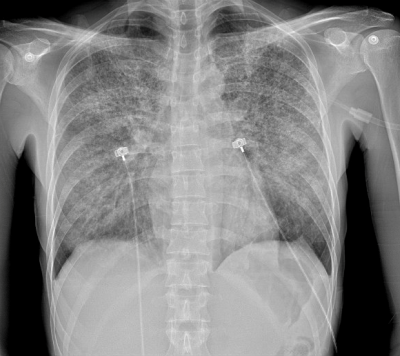
Pneumocystis pneumonia (PCP), an opportunistic infection attacking the lungs, can be a harbinger of other diagnoses. Clinicians should investigate while planning the best course of treatment.
It’s easy to fall prey to diagnostic anchoring, especially on busy shifts. But reliance on initial triage information can obscure life-threatening conditions.
Back pain is one of the top 5 reasons for emergency department visits in the United States. Among these billions of visits, you will find an extremely difficult-to-diagnose, yet life-threatening, cond