




Browsing: Clinical

48-4 Bilateral Adrenal Hemorrhage.jpeg
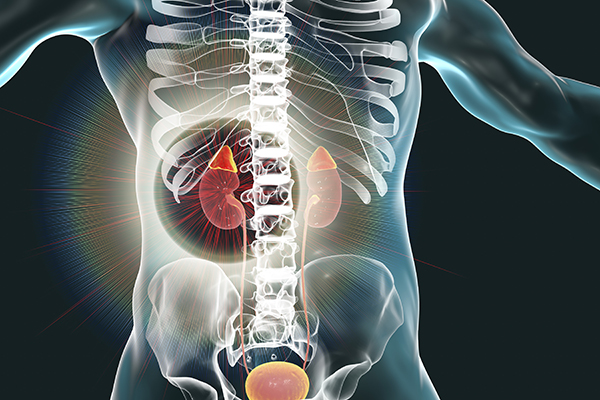
Multiple endocrine neoplasia (MEN) syndromes are rare, inherited disorders, and adrenal hemorrhage is a rare cause of abdominal pain. We present a case of bilateral adrenal hemorrhages due to pheochro
48-4 Physostigmine.jpg
Physostigmine has long been recognized as an antidote to reverse antimuscarinic delirium. However, its effectiveness, safety profile, and dosing have been disputed in recent years. But does this medic
48-4 Stellate Ganglion Fig 1.jpeg
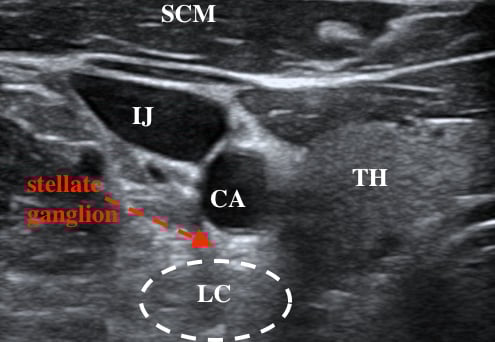
The ultrasound-guided stellate ganglion block may be used as an adjunct to established methods during pulseless ventricular arrhythmias. It is a potentially lifesaving procedure that is within the eme
48-4 Septic Cardiomyopathy.jpg
Septic cardiomyopathy (colloquially known as septic heart) lacks formal criteria, but emergency physicians should be aware of generally accepted clinical signs. Awareness of septic cardiomyopathy as a
48-4 Acute Pediatric Abdomen.jpeg
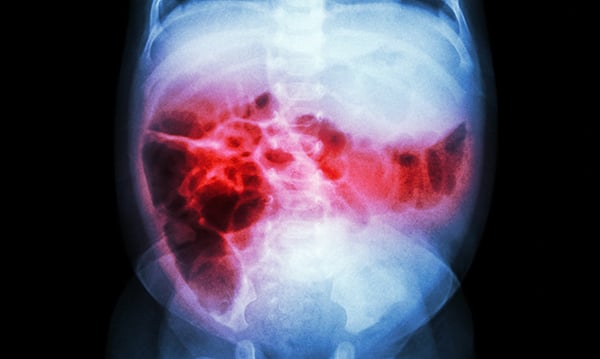
Point-of-care ultrasound can be used to detect Meckel’s diverticulum as the underlying etiology of lower abdominal pain in pediatric patients. In the following case, bedside family-centered teaching a
48-4 Kawasaki.jpg
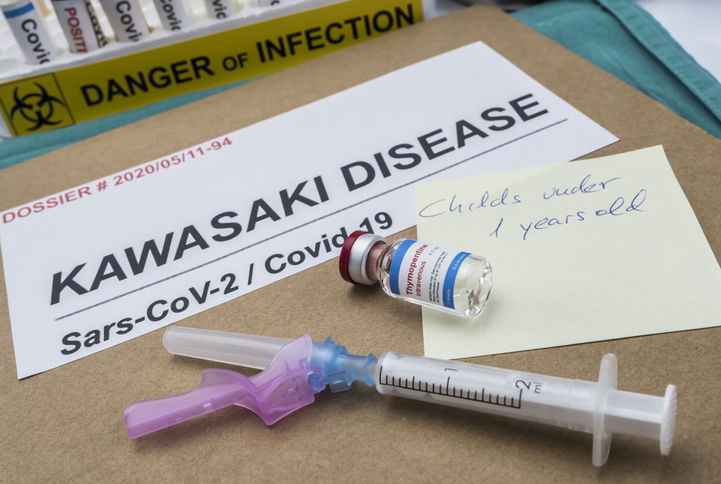
Kawasaki Disease and Multisystem Inflammatory Syndrome (MIS-C) can be challenging to distinguish, especially because COVID-19 infections can be asymptomatic. Ongoing studies are helping emergency phys
48-4 Editor.jpg
As we endure the COVID era - making transitions harder than normal - one thing has been clear: Many people are struggling. Are you OK?
hpjc-0821.jpg
The Health Policy Journal Club reviews a study that shows an abrupt increase in prescribing opioids to patients when they turn 18 - with a sharper rise during the COVID-19 pandemic. This raises many q
Student-Resources_2022.jpg
Navigating the match is difficult in routine times - and the ongoing COVID-19 pandemic means 2022 will be another unusual year in medical education. This compilation of resources, tailored for EM-boun
CCA-FRISC.jpg
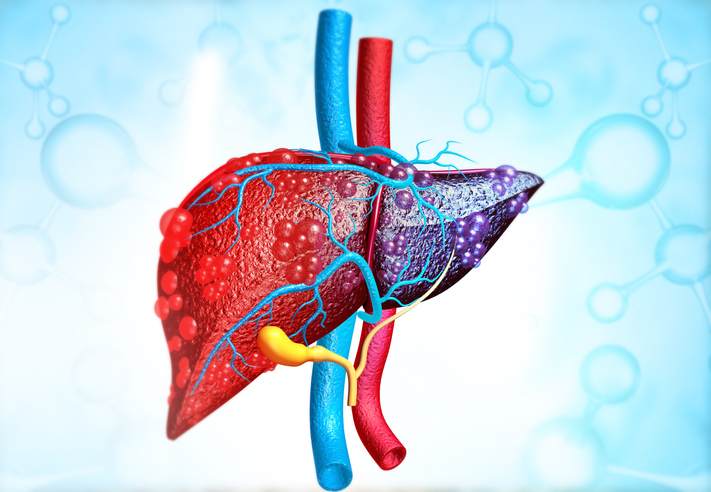
Early fluid resuscitation has been proven to be a fundamental component in improving survival for patients with severe sepsis or septic shock. But what happens when a patient has cirrhosis?