Browsing: Ultrasound

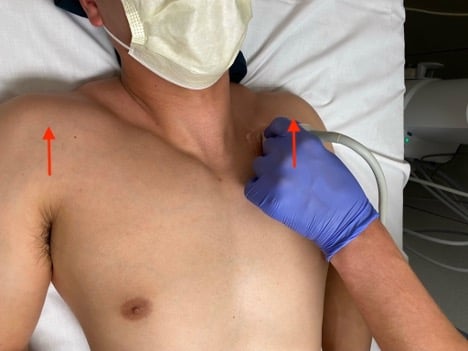
SubclavianFigure2.jpg
The need for a central line is commonplace in the emergency department and critical care units. When deciding which of the three typical sites (internal jugular, femoral, and subclavian) to choose for
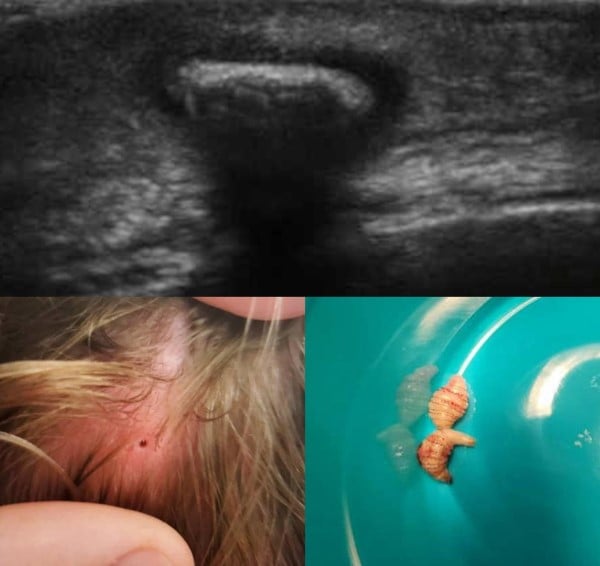
Bot Fly Fig 1.jpeg
Ultrasound is a favored modality in emergency medicine. This case shows yet another application of this popular diagnostic tool - one involving subcutaneous larvae.
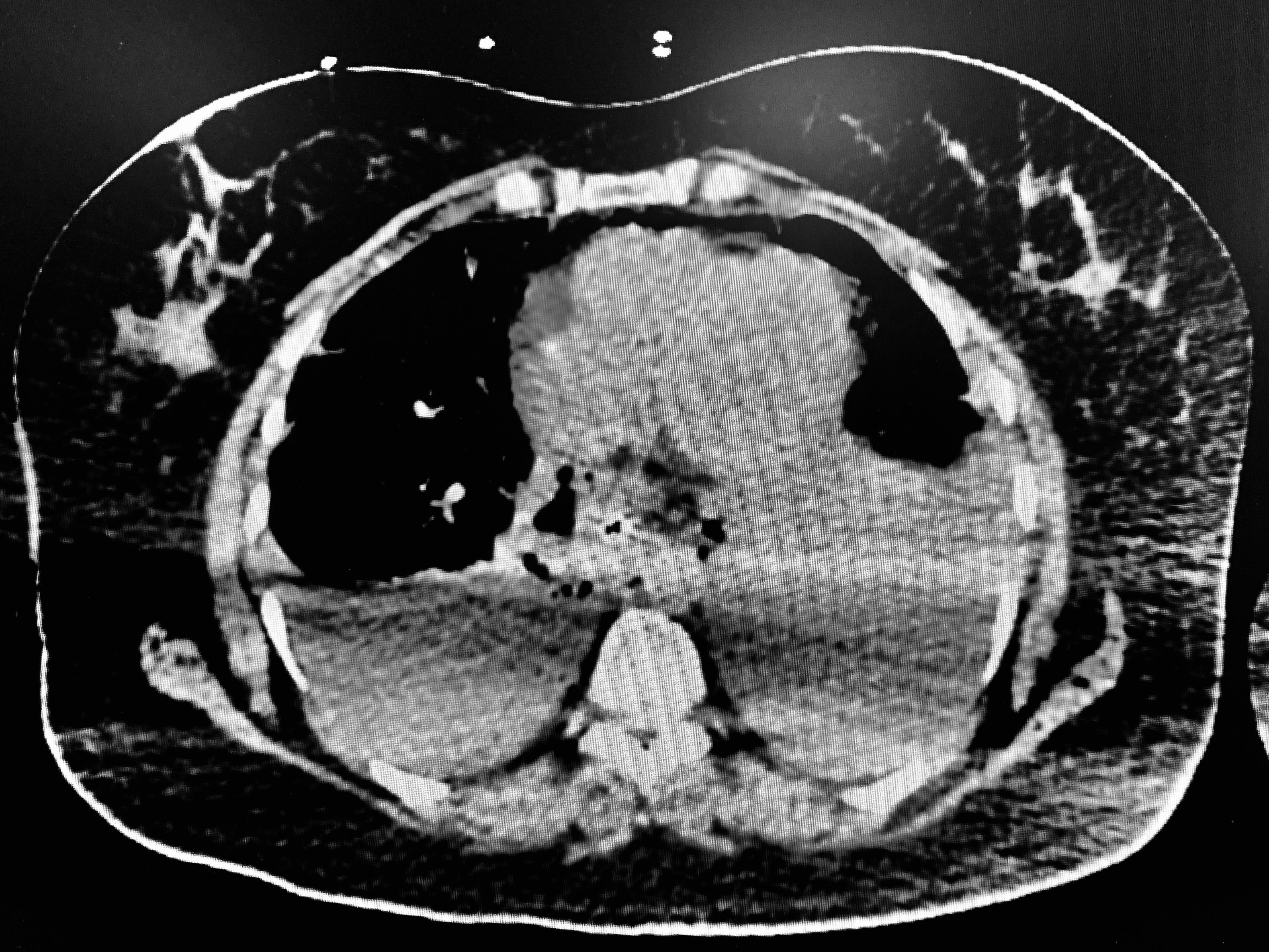
49-2 Boerhaave Fig 1.jpeg
Esophageal rupture is a rare condition that is recognized as one of the most fatal gastrointestinal injuries. Time to diagnosis is an independent predictor of mortality in acute esophageal rupture mak
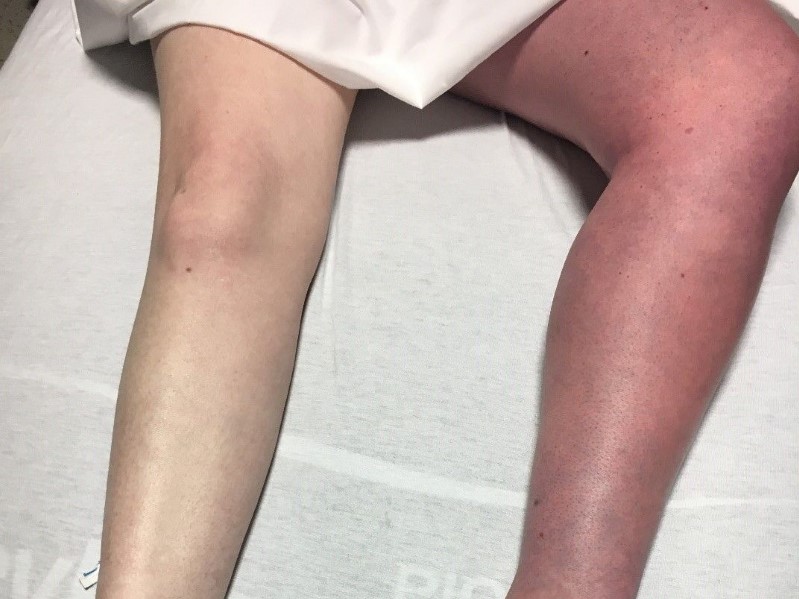
49-2 PCD anchor.jpeg
Phlegmasia cerulea dolens is a rare but emergent condition of massive venous thrombosis that can rapidly produce irreversible vascular gangrene. If your patient in the emergency department has a swoll
Art Line - anchor.png
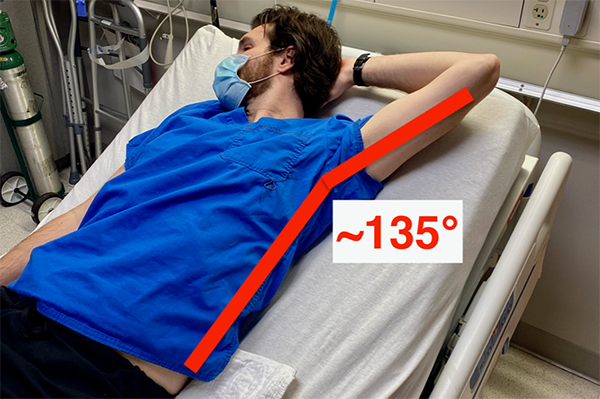
Obtaining arterial access is a common procedure in both emergency medicine and in critical care. It's a good idea to become familiar with the axillary artery as an alternative location for placement o
49-1 Intraperitoneal Bladder Rupture.png
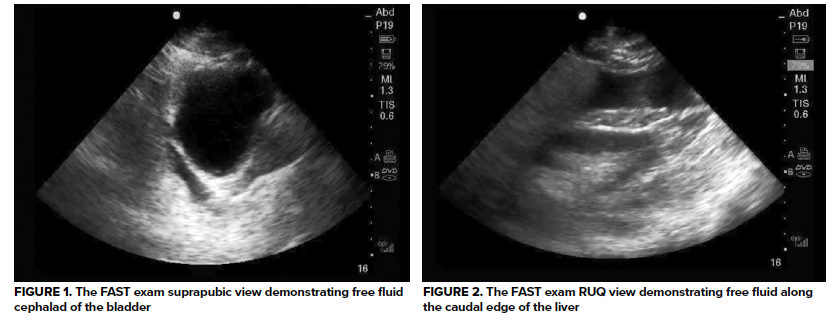
Bladder rupture is a relatively rare condition due to the protection of the bladder in the bony pelvis; most cases of bladder rupture are intraperitoneal. But a small percentage are intraperitoneal r
RUSH exam.jpg
Undifferentiated patients showing signs of shock have a high mortality rate. The Rapid Ultrasound for Shock and Hypotension (RUSH) Exam is a protocolized ultrasound exam that can be done in minutes to
48-6 SAPB.png
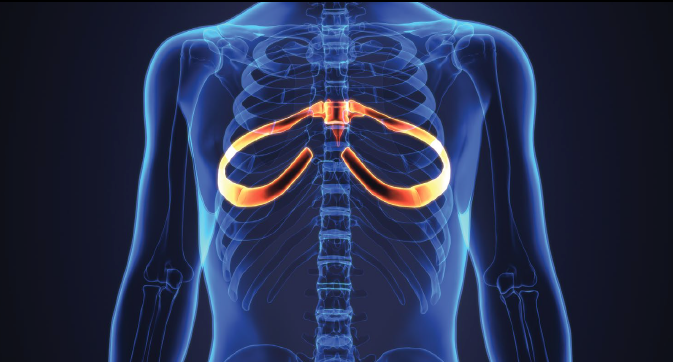
Elderly patients with chest wall injuries have a mortality rate up to 13% - attributed in part to the effects of pain. EAST guidelines offer a range of analgesic options, but ultrasound-guided serratu
48-6 FSGS.png
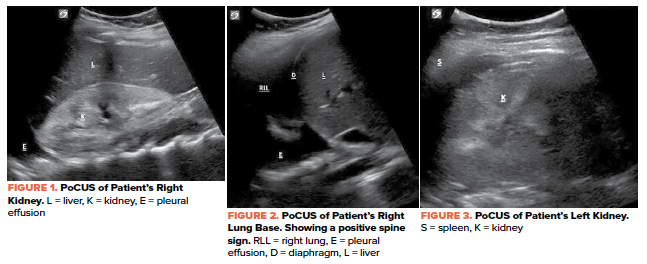
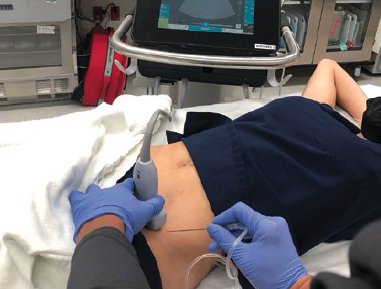
Point of care ultrasound can be used to help evaluate patients with suspected kidney pathology and to diagnose causes of renal colic, renal failure, hematuria, and decreased urine output. Compared to
48-6 PENG block.png
Hip fractures are common injuries evaluated in the ED. The majority of patients who suffer a hip fracture are over 80 years old, and as the population ages, the incidence of hip fractures is expected