









Browsing: Topics

PD_Q-and-A_MSC_0816.jpg
Program Director Interview Series: Mary Westergaard, MD, FACEP | University of Wisconsin This month we interviewed Mary Westergaard, MD, FACEP, Program Director at the University of Wisconsin Emergen
News-and-Notes-LAC.jpg
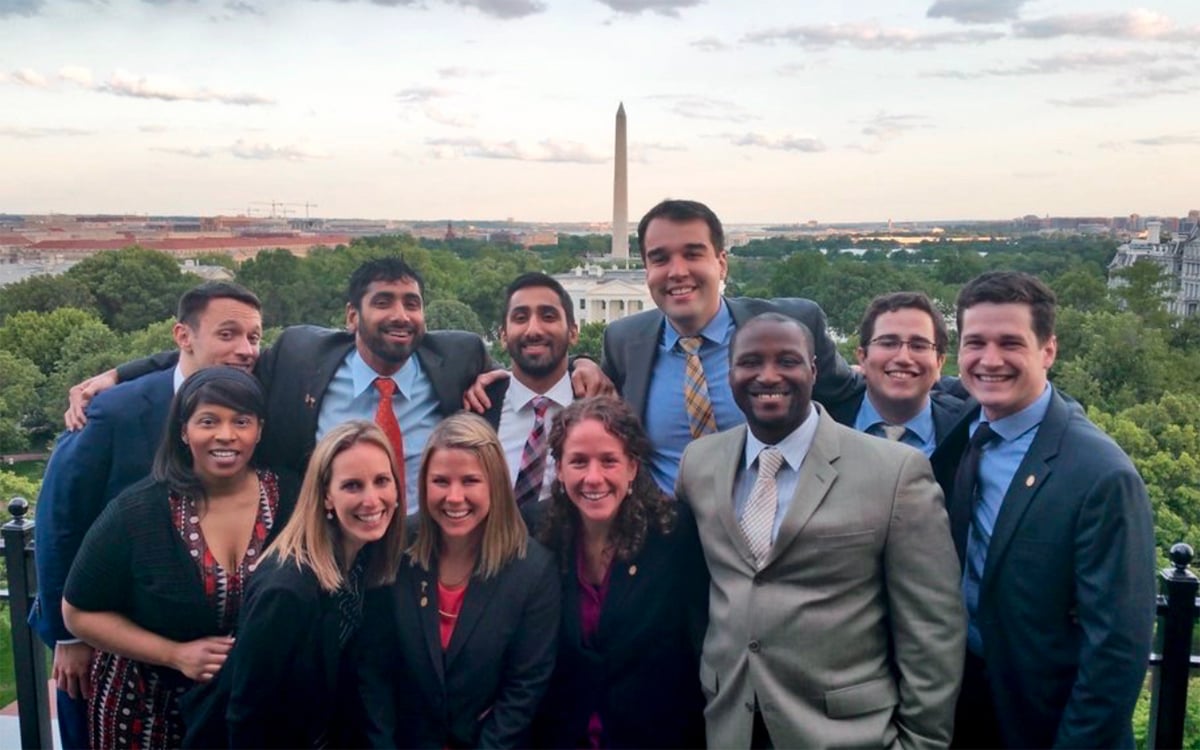
LAC 2016: Informative and Engaging On May 15-18 this year, more than 500 emergency physicians from around the country joined together in Washington, D.C., at the premier event for learning about and
ECG.jpg
ECG Challenge Case. A 75-year-old male with a history of systolic congestive heart failure, hypertension, diabetes, hyperlipidemia, and chronic obstructive pulmonary disease presents with shortness o
FamilyTree.jpg
How Becoming a Patient's Family Member Changed Me as a Doctor How on earth did patients and loved ones who have no formal training in health care or medicine manage to keep their composure when battl
The-Maryland-State-House.jpg
In This State House: Life as a Physician in the Legislature There I was, sitting in Starbucks with a recently elected state representative. As a new healthy policy fellow and emergency physician, I w
Peds-CongenitalHeart.jpg
Diagnosis and Management of Pediatric Infective Endocarditis Pediatric infective endocarditis (IE) is a diagnostically challenging infection in children, as it often presents with vague or subtle sig
sepsis-art.jpg
Sepsis-3: Redefining Sepsis What EM Residents Need to Know Sepsis definitions were last revised in 2001. Since then, discoveries have been made regarding the pathobiology, management, and epidemiolog
opiod.jpg
Introducing the ALTO Alternatives to Opioids Program Steven Stack, MD, FACEP, an emergency medicine physician and immediate past-president of AMA, confronted the crisis in an open letter to America's
womenleadership.png
Bridging the Gap: Gender and Leadership in Emergency Medicine Emergency medicine (EM) residents face many time constraints: long work hours, endless emails, reading lists, research requirements, and
diversity.jpg
Diversity and Inclusion in Emergency Medicine As our country grows more diverse, tackling health disparities is imperative to improving patient outcomes. After all, human experiences and cultural per