









Future physician-astronauts, here’s a new opportunity that’s right up your alley — UCLA’s Space Medicine Fellowship. EMRA’s Prehospital and Disaster Medicine Committee gets a first-hand look with the
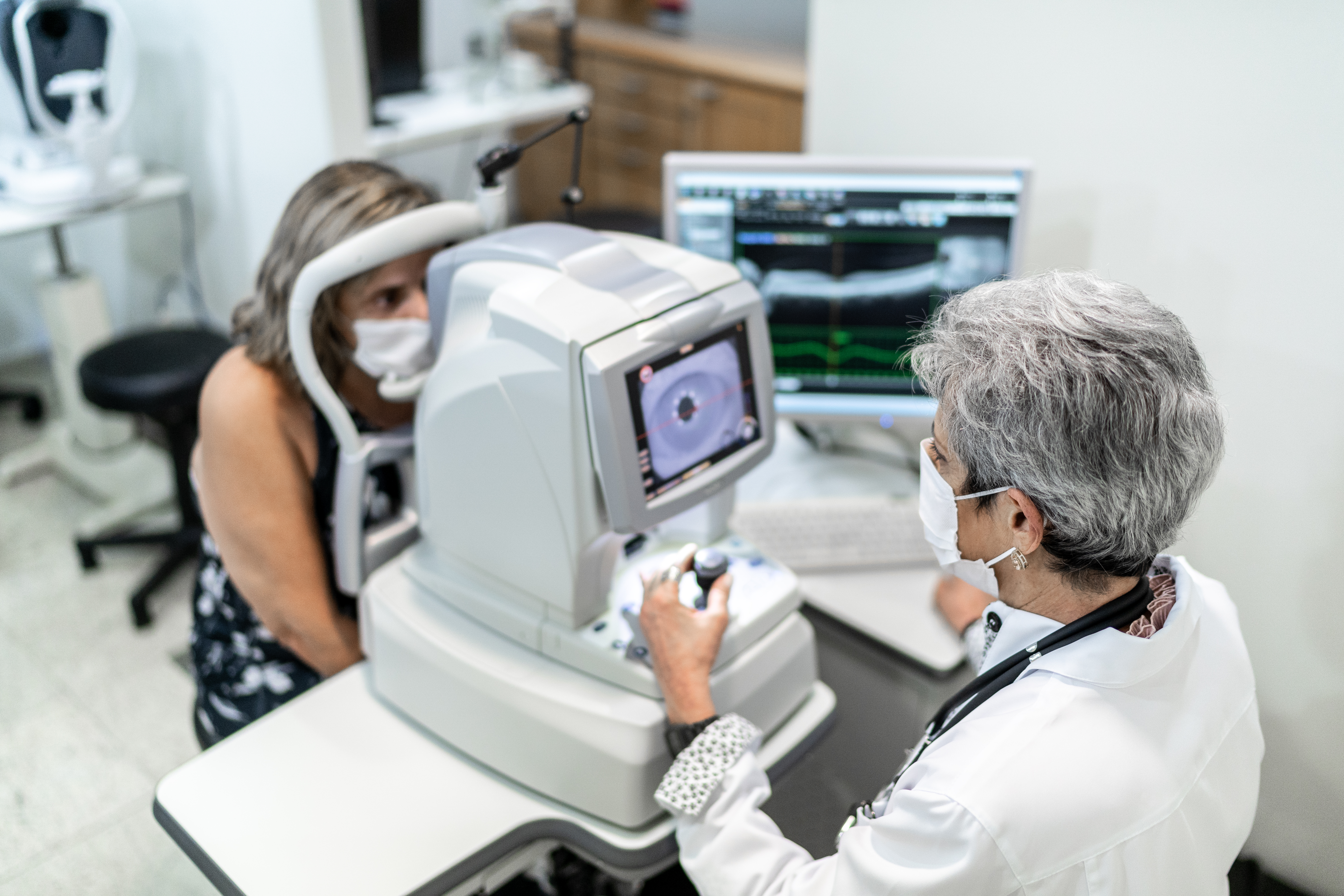
CRAO and BRAO are ocular emergencies mandating rapid diagnosis and management to prevent permanent loss of vision. Treatment options include ocular massage to attempt to relocate a lesion to a more pe
Surveys can be great research tools to obtain data when carefully designed and correctly administered. When writing a survey, consider the best method to administer it, take into account participant m
Managing acute angle closure glaucoma in the ED involves decreasing intraocular pressure caused by excess aqueous humor. Once the diagnosis is made, steps can be initiated to rapidly decrease the pres
Medical eponyms like “Grave’s disease” and “Bell’s palsy” suggest, misleadingly, either a sense of ownership or perhaps a personal affliction of the individual named. Additionally, eponyms complicate
Although bias is pervasive in medical research, OHCA studies have unique sources of bias that are infrequently addressed in study methods. Recognizing these biases is vital to the critical appraisal a
Hematuria, while a common presentation to the ED, can have myriad causes. Some of those causes, such as a ruptured AAA and tuberculosis, can be life-threatening if not recognized. When working up a pa
Residents with certification in addiction medicine gain access to a number of benefits, including greater earning potential and federal loan repayment funds. Plus, the depth of knowledge that certific
It is typical for a patient to have side effects after a medical abortion. Differentiating expected versus significant adverse events is crucial to providing proper treatment. Patient education prior
Buprenorphine has been shown to be a safe and effective medication in multiple settings with extensive research on both unobserved induction and physician-observed induction. Emerging evidence suggest