Residency provides a built-in community, culture, and structure all its own. But as you look toward those early career years, how do you decide which practice environment is right for you?
Differentiating benign peripheral conditions from central nervous system lesions like strokes can be difficult. Enter the HINTS exam - the objective measure.
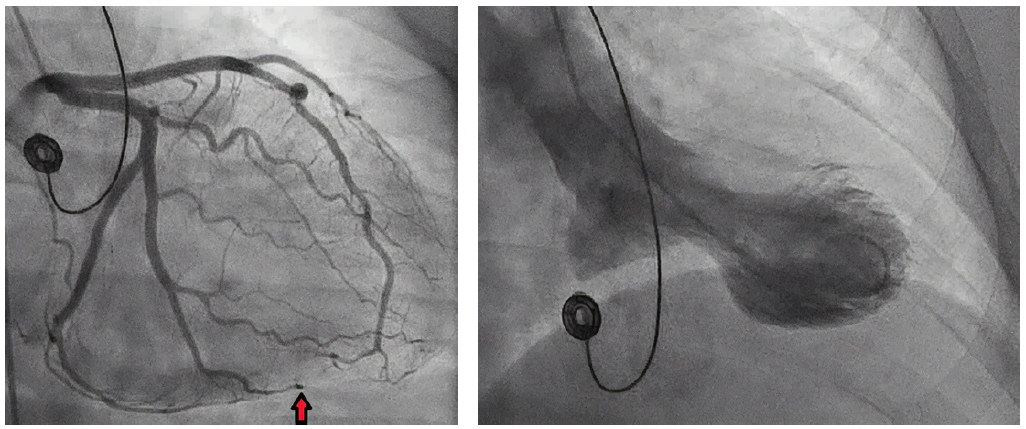
Spontaneous coronary artery dissection and Takotsubo syndrome rarely occur in the same patient at the same time - but when that patient appears, will you be able to act decisively?
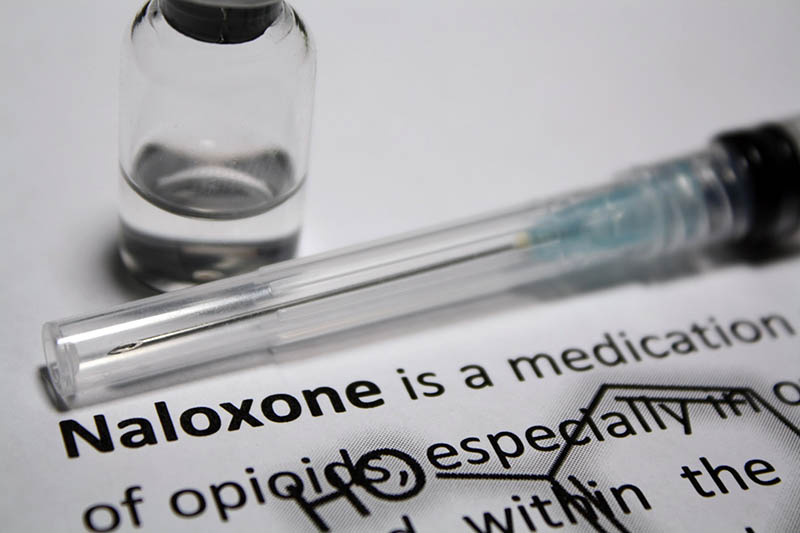
Naloxone is a potent opioid receptor antagonist with an excellent safety profile and ability to reverse opioid-associated respiratory depression. Is it as effective when you're faced with patients in
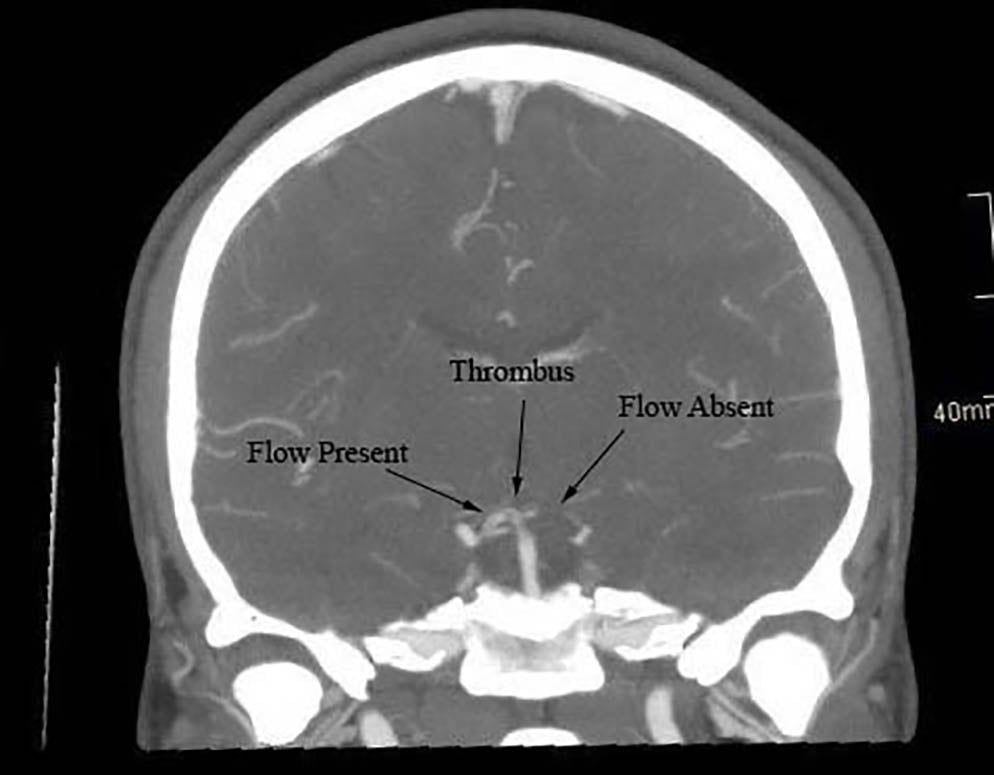
If a patient presents with recent trauma, neck pain, headache or neck manipulation with signs or symptoms of stroke, cervical artery dissection should be considered.
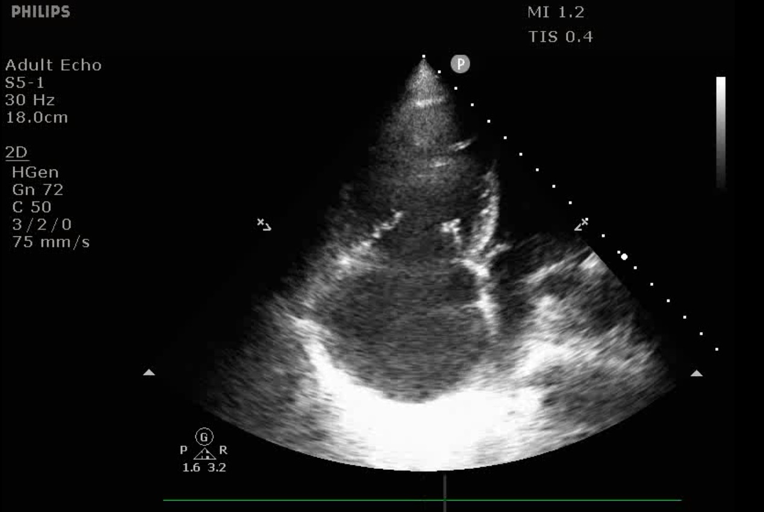
While there are a number of quantitative and qualitative assessments that can be used to evaluate right heart function, 2 measurements in particular can help differentiate acute versus chronic right h
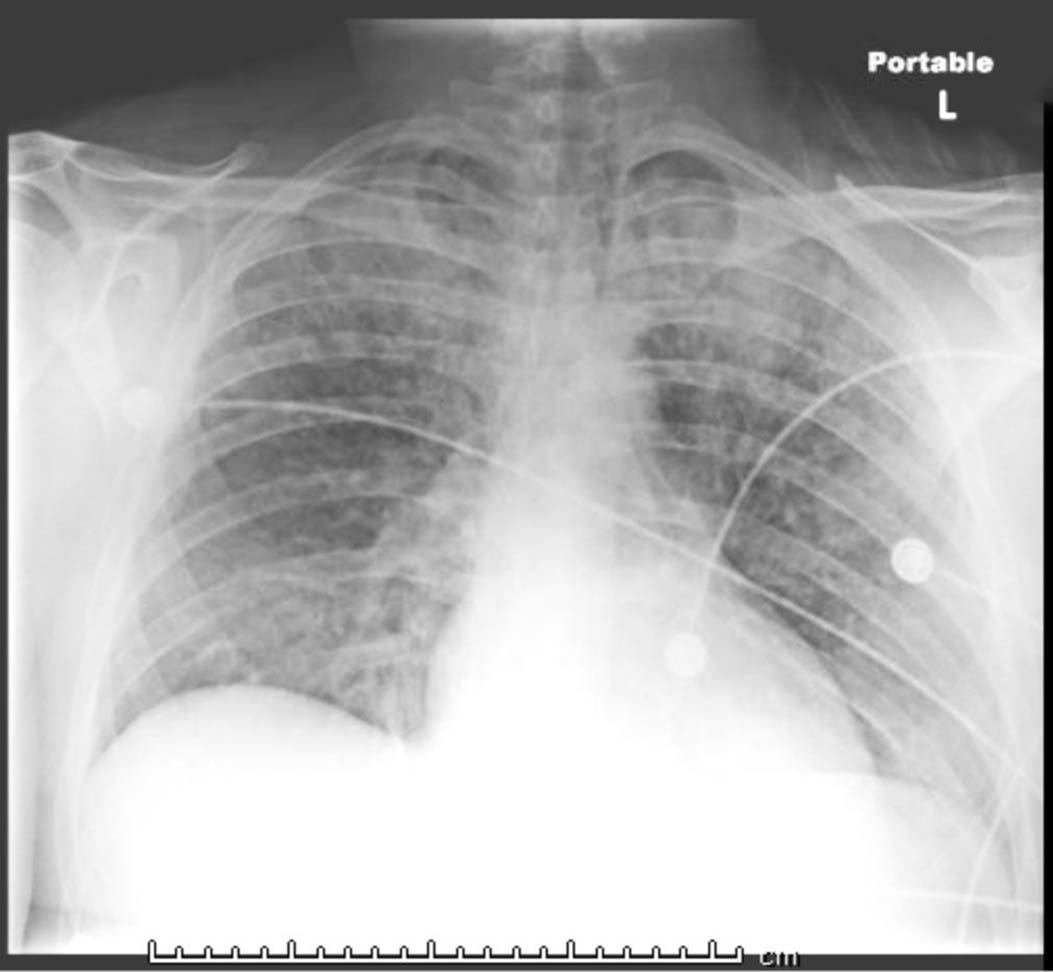
The rise in heroin and opioid overdoses throughout the country demands an awareness of the sequelae of naloxone-related pulmonary edema that can occur in opiate overdose reversal.
MDs and DOs work side by side in the same residency programs and emergency departments all across the nation every day, providing quality care and strong teamwork.
Fluid resuscitation guidelines for severe sepsis and septic shock presently address only the initial phase of resuscitation. The RIFTS trial examines the efficacy of a restrictive IV fluid resuscitati