Browsing: Critical Care

Lady_IV.jpg
Surviving Sepsis Guidelines recommend crystalloids for initial fluid resuscitation then switching to albumin when crystalloids are insufficient. There is debate regarding using colloid as an initial r
46-1 Sepsis.jpg
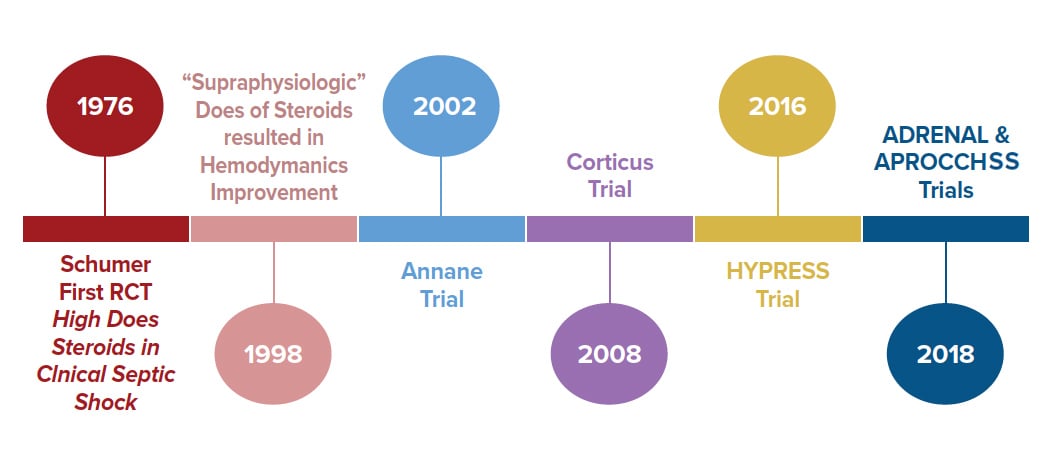
The use of exogenous steroids in septic shock is a controversial issue with inconsistent data on mortality to date. Several studies examine sepsis treatment. What does the evidence show?
46-1 Cerebrovascular System.jpg
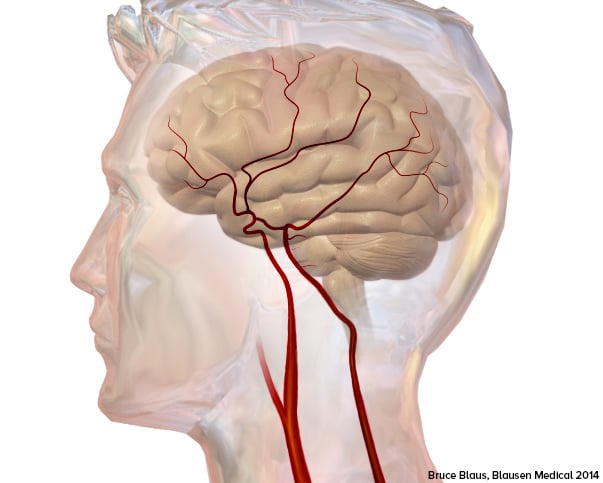
BCVI is a relatively rare diagnosis, but this does not take away from the importance of considering it during the initial evaluation of all trauma patients.
CritCare - PARAMEDIC2.jpg
Is epinephrine a safe and effective treatment for out-of-hospital cardiac arrest? The PARAMEDIC2 trial offers evidence.
45-6 Thyrotoxicosis.jpg
A thyroid storm is an acute, life-threatening emergency that requires timely recognition and management. Left untreated, the mortality rate is 80-100%.
CC Alert - ADRENAL trial.jpg
The ADRENAL trial was designed to test the hypothesis that hydrocortisone results in lower mortality than placebo among patients with septic shock. Find out what investigators discovered.
45-5 REPE.jpg
The treatment of choice for a pneumothorax is a chest tube, and when the small pig-tail catheter doesn’t do the job, the answer is to replace it with a larger bore – right? Not so fast.
Critical Care Alert - Septic Shock.jpg
Can the use of hydrocortisone plus fludrocortisone and/or drotrecogin alfa improve clinical outcomes in patients with septic shock?
45-4_Hemoptysis.jpg
Consensus is lacking on specific thresholds to characterize massive hemoptysis because these numbers can be challenging to reliably obtain and fail to predict the severity of disease.