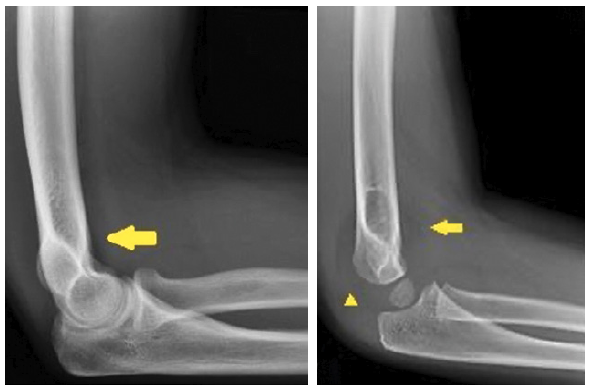
Here it is: the dreaded pediatric elbow. Is it a fracture? An ossification center? Shouldn't there be a bone there? By using a systematic approach to reading elbow x-rays, you can begin to feel more c
Clinical knowledge regarding how the COVID-19 virus affects children is still evolving. Multisystem Inflammatory Syndrome in Children (MIS-C) can be approached in the same way as a Kawasaki-Like Hyper
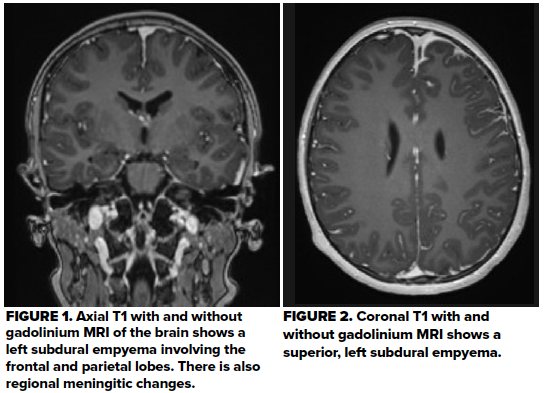
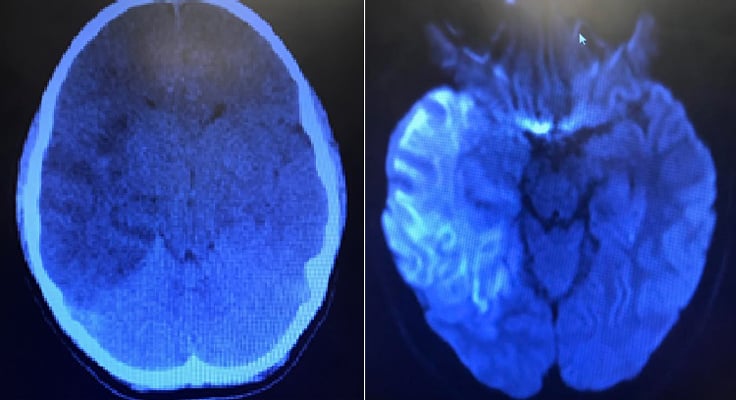
Subdural empyemas are associated with significant morbidity and mortality if not recognized and treated promptly. The condition leads to purulent fluid collections between the dura and arachnoid mater
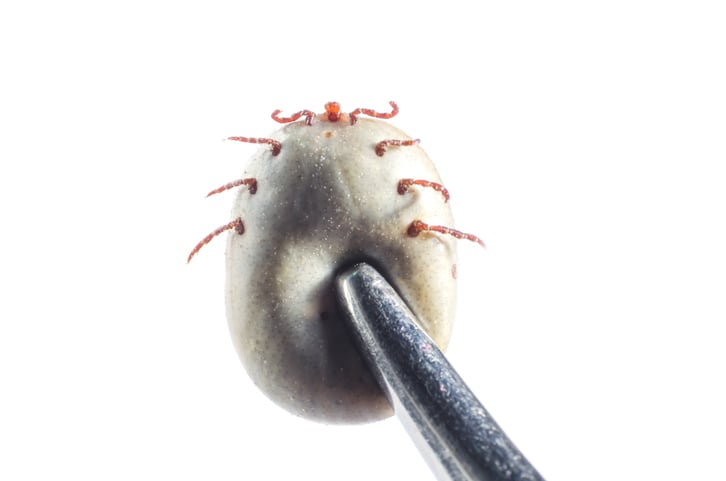
The presentation of motor weakness in children is often alarming, difficult to characterize, and involves a large differential of uncommon pathologies. Tick paralysis is a rare but important cause of
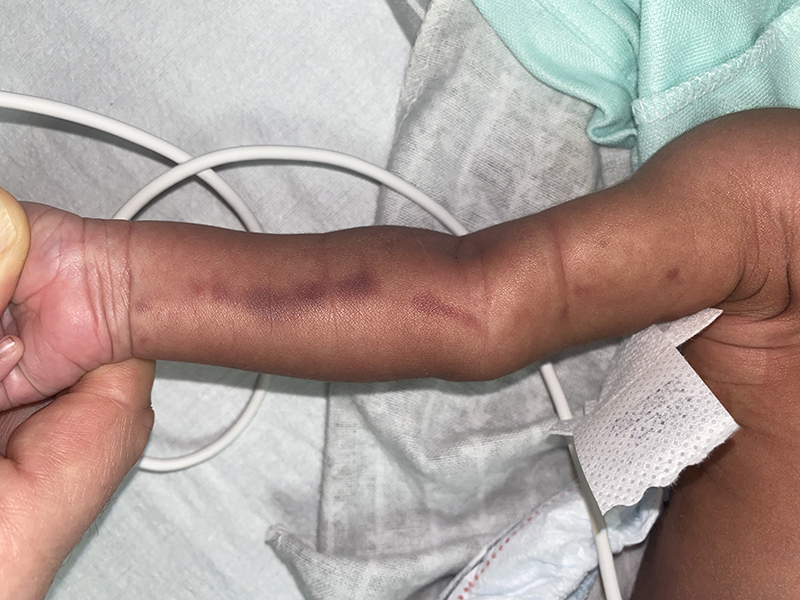
COVID-19 has brought challenges that those in emergency medicine have worked tirelessly to address. The challenge of the increased pediatric abuse cases and limitations on reporting is no different, a
In 2018, statistics show 15,605 children and adolescents were confirmed victims of physical abuse in the United States. It is vital to ensure a safe disposition for pediatric patients, as further harm
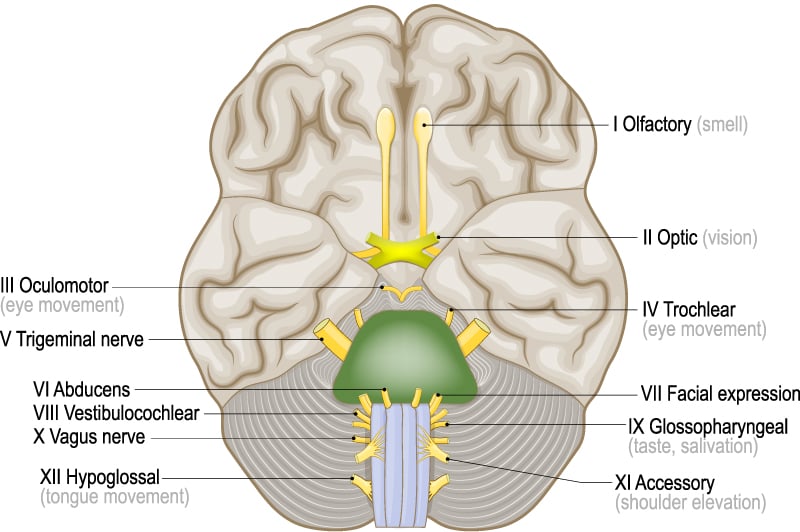
Bell's palsy, also called idiopathic facial nerve palsy, is the paralysis of facial motor function without an identifiable cause. It typically presents with sudden onset unilateral facial paralysis an
Meningitis is typically a clinical diagnosis commonly found in younger patients based on symptoms of fever, headache, photophobia, nuchal rigidity, and often with nausea and vomiting.
As emergency physicians, we are trained to carry out complex tasks. We mentally rehearse, read, practice, and teach so that when difficult cases arise, we think clearly and concisely. We thrive in hec
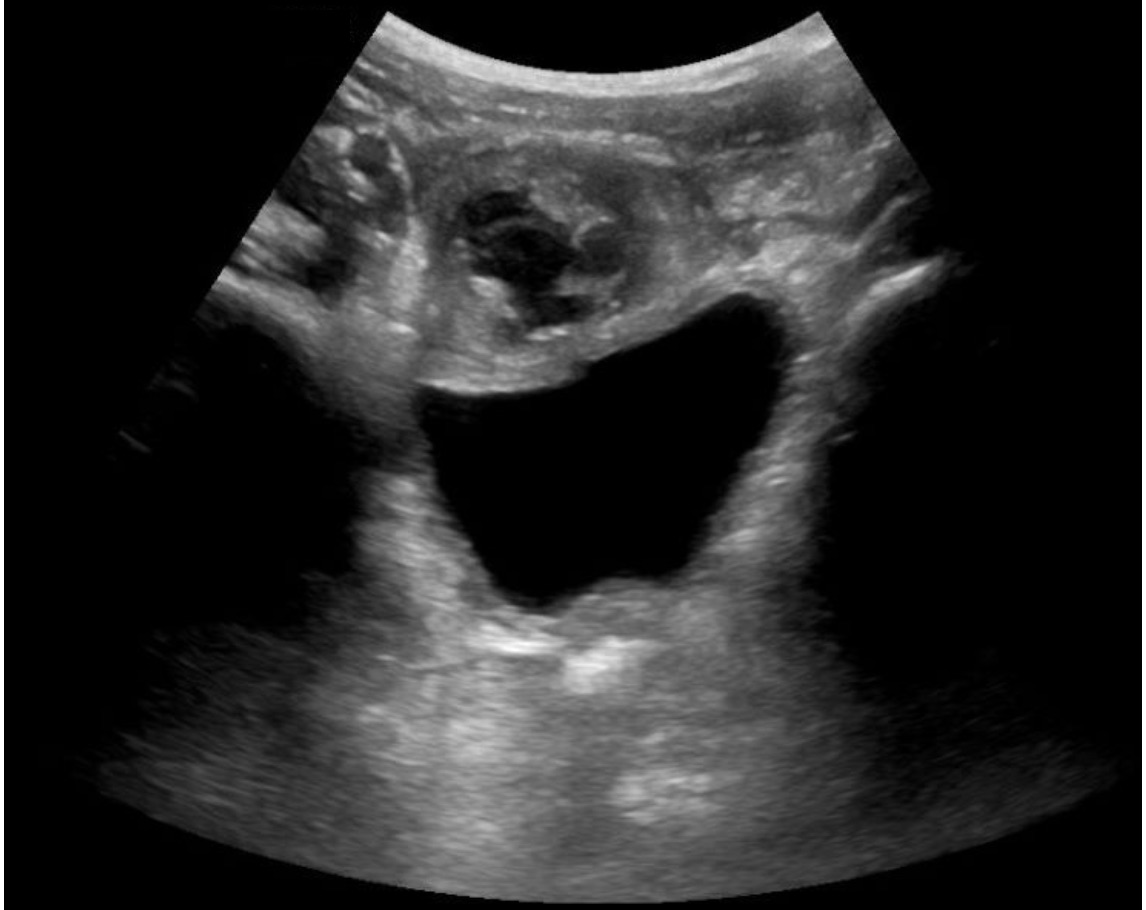
Pediatric patients with abdominal pain and dysuria - even older children - may be suffering the effects of infected urachal remnants. How can you treat this condition?