Browsing: Pediatric EM

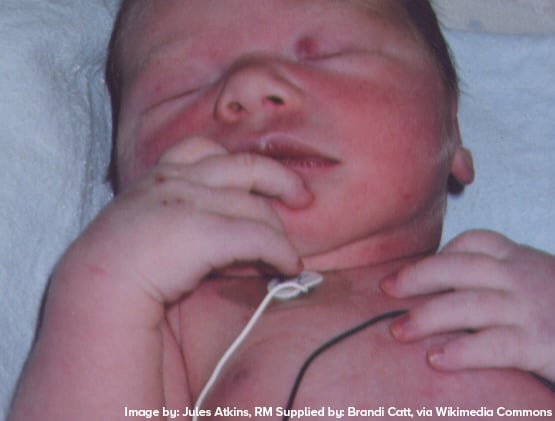
46-1 Blue Baby.jpg
As emergency medicine providers, how can we best approach the cyanotic and non-cyanotic infant?
45-6 Pediatric Hypoglycemia.jpg
Hypoglycemia in pediatric patients can be described as the lupus of metabolic disorders. It can be hard to differentiate if hypoglycemia is causing symptoms or is the result of an underlying problem.
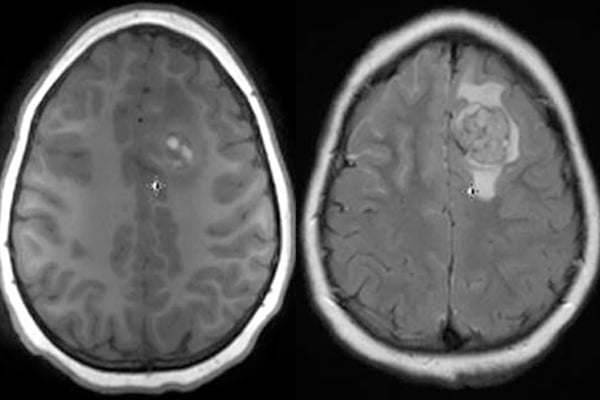
45-6 Melanocytes.jpg
Children with risk factors for neurocutaneous melanosis should be followed closely and screened regularly.
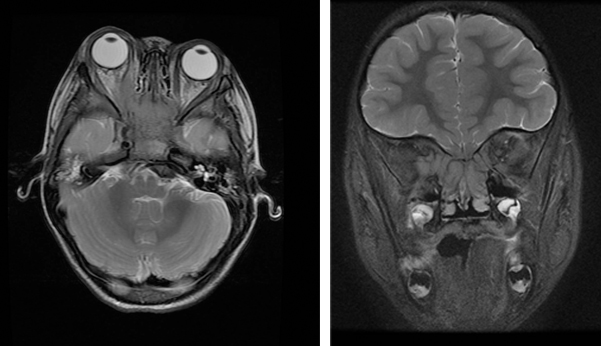
45-5 Ocular Swelling.jpg
Ocular swelling in children is a common complaint. But that doesn't mean the etiology is always common - or benign.
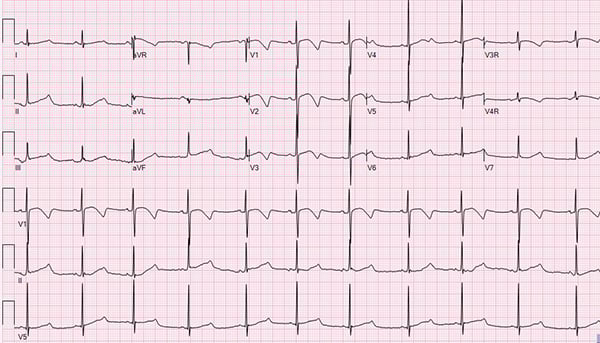
45-5 Pediatric ECG.jpg
Knowing the differences between the pediatric and adult ECG will help you distinguish potentially life-threatening abnormalities from a normal pediatric ECG.
45-4_Flaccid Paralysis in Infant.jpg
Flaccid paralysis of the bilateral lower extremities in infants can be the presenting feature for a variety of diseases.
45-4_Pediatric Seizures.jpg
Seizures account for about 1% of all ED visits for children younger than 18, and at least 5% of pediatric patients will experience a seizure by the time they are 16 years old. Treating the condition i
45-3_Tamiflu.jpg
One of the worst flu seasons in recent years sent patients to the ED in droves. It also focused attention on oseltamivir's efficacy and safety in various populations. Is it safe for children? Adults?
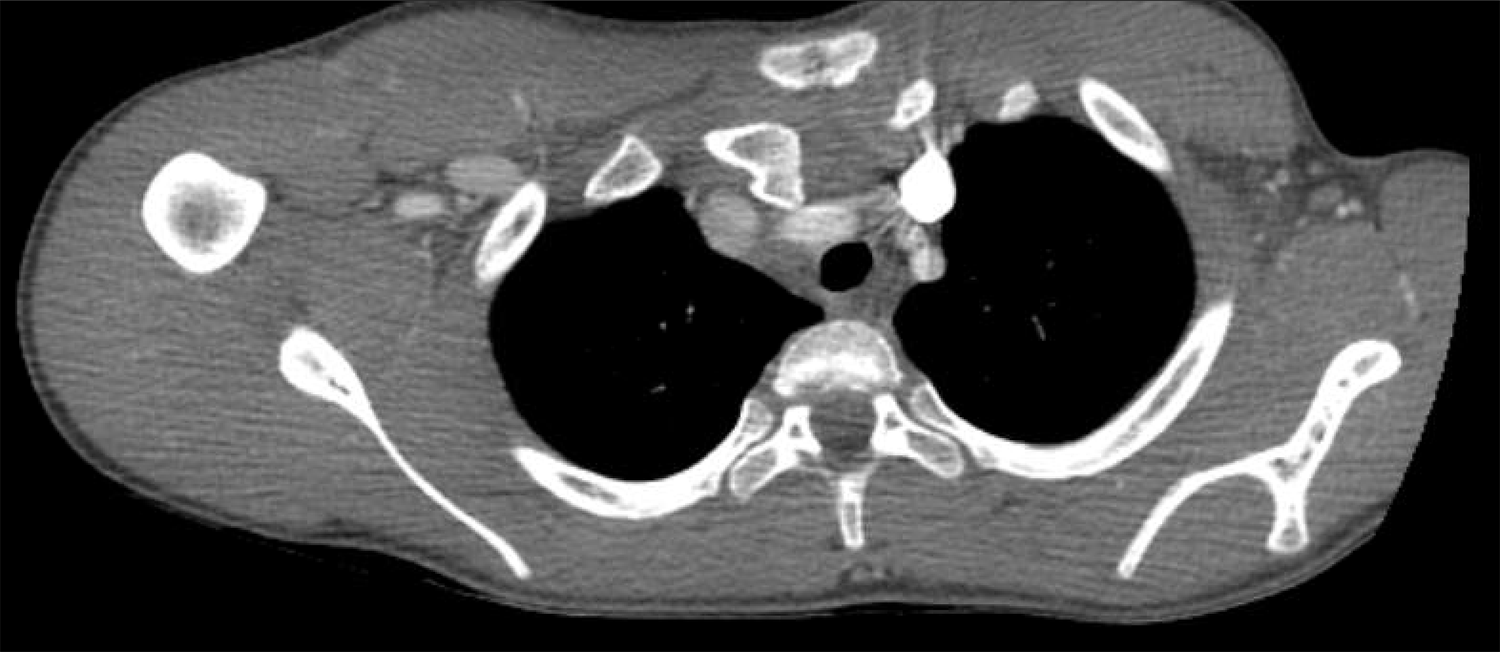
45-3_Shoulder-Sublux_ 5 - CT Chest.png
Signs of posterior sternoclavicular joint dislocations can be subtle, but this condition is a true orthopedic emergency. Are you prepared to perform a reduction in the ED if necessary?