
Browsing: Clinical

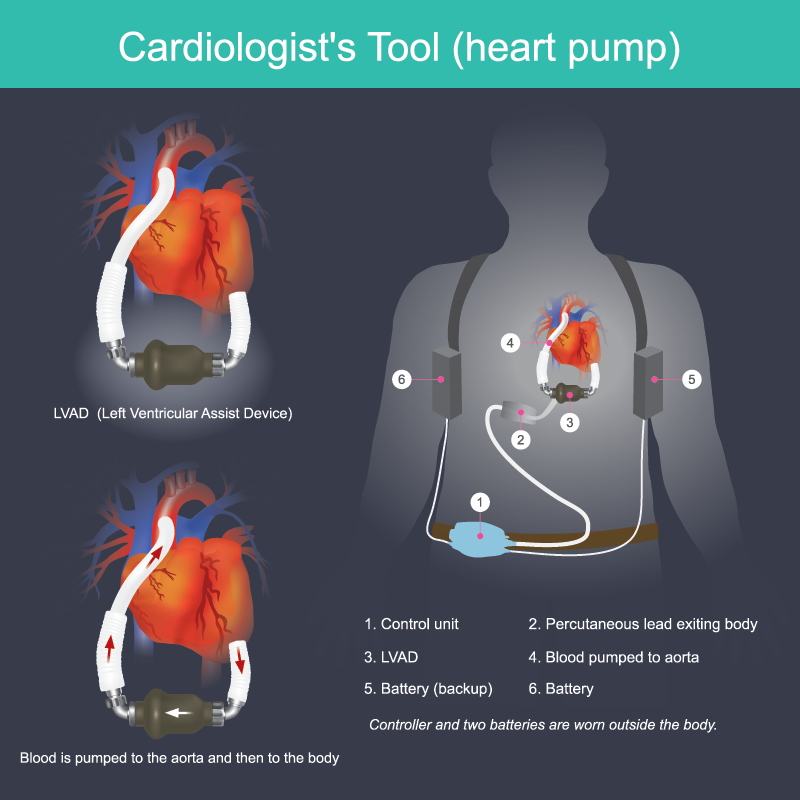
LVAD - Fig 1 - web.png
Nearly 6.7 million Americans over the age of 20 have been diagnosed with heart failure – and more than 2,500 receive a left ventricular assist device. Do you know how to triage and treat LVAD patients
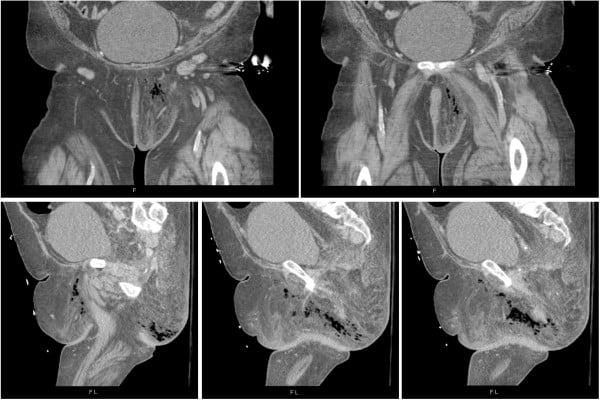
Pneumolabium Image 1.jpeg
It’s easy to fall prey to diagnostic anchoring, especially on busy shifts. But reliance on initial triage information can obscure life-threatening conditions.
Chronic Argyria web.jpg
Colloidal silver is a popular, yet unregulated, supplement used for a spectrum of perceived health benefits. However, the FDA issued a final rule deeming it “not generally recognized as safe and effec
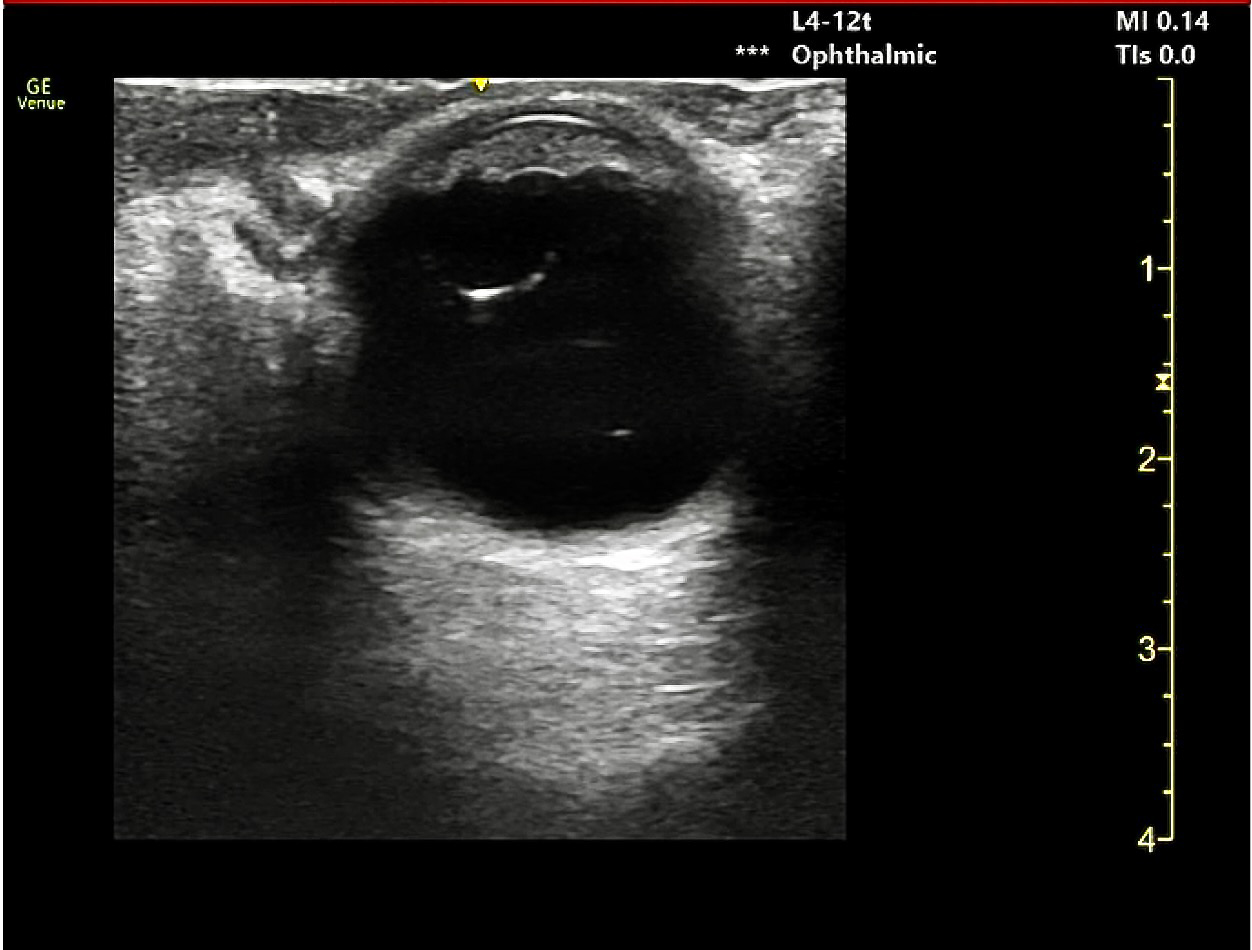
Traumatic Glaucoma Image 1.jpeg
Patients with suspected ocular trauma are at risk of vision loss - and emergency physicians must recognize the danger. This is one situation where an emergent ophthalmology consult is critical, as you
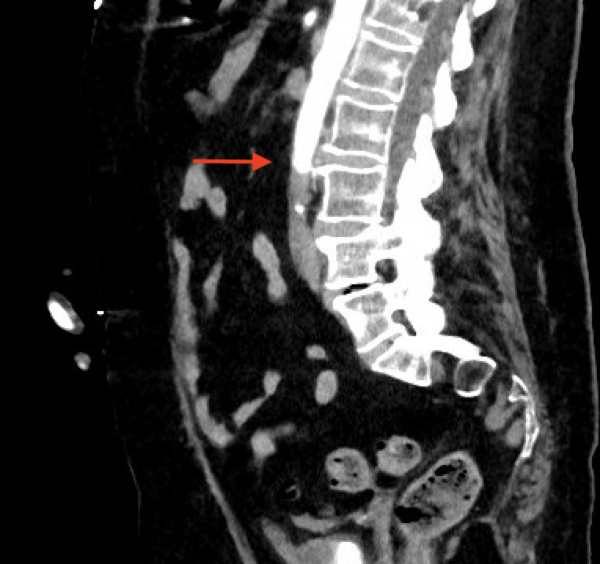
Leriche Figure 1.png
Aortoiliac occlusive disease, otherwise known as Leriche syndrome, mostly affects older individuals with classic risk factors for peripheral artery disease (PAD). Although typically a progressive dise
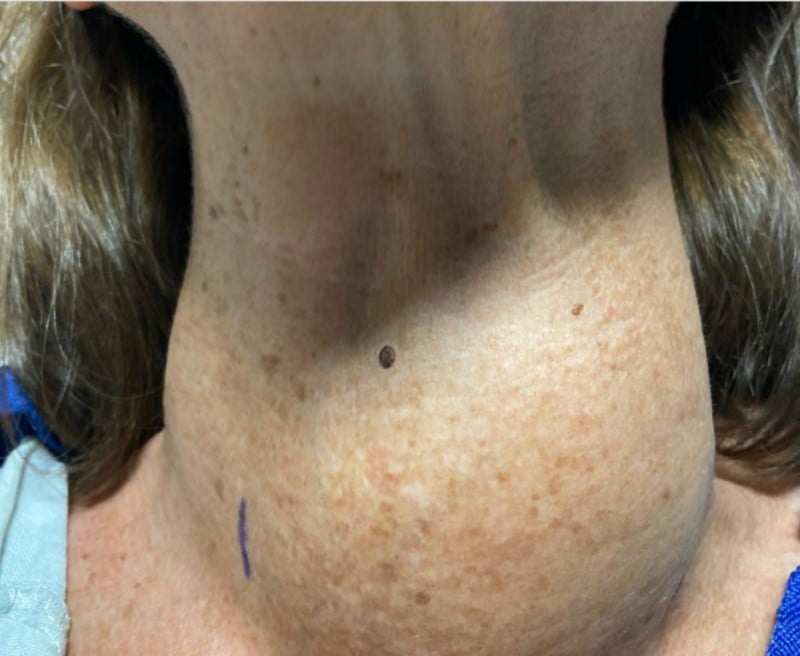
Thyroid Hematoma Image 1 - exam.jpeg
Airway management of expanding neck hematomas can challenge even the most expert of emergency clinicians. Management becomes even more challenging in atypical presentations.
Auto-orchiectomy web.jpg
Auto-orchiectomy has been linked to psychosis, substance use, and psychiatric disorders. Treating the result of the behavior is critical - but it’s also important to address the underlying impetus.
May-Thurner Syndrome web.jpg
Since almost 1 million of cases of deep vein thrombosis (DVTs) are diagnosed each year in the United States, it can be an easy diagnosis to make at the door. However, when the ultrasound is negative,