




Browsing: Clinical

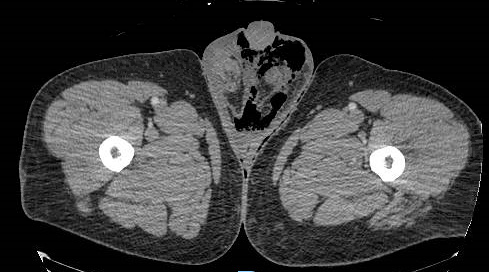
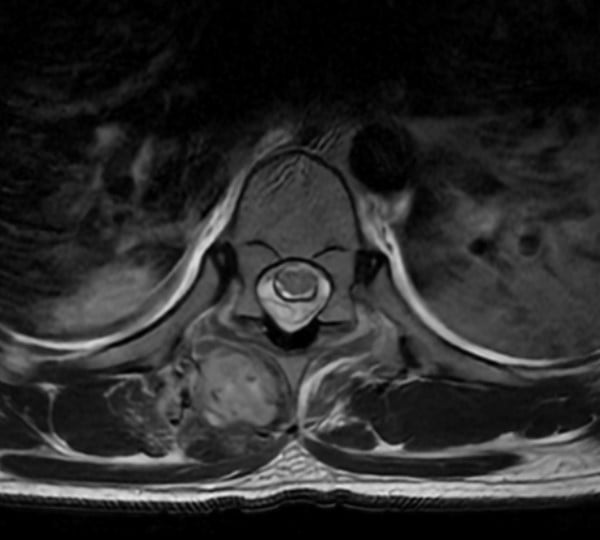
EpiduralAbscessFig2.jpeg
Rare, but possible, diagnosis of epidural abscess must be considered when a pediatric patient presents with back pain. When diagnosed, carefully evaluate the risks and benefits of medical versus surgi
ECMOedited.jpg
Extracorporeal cardiopulmonary resuscitation (ECPR) involves the application of percutaneous veno-arterial extracorporeal membrane oxygenation (VA-ECMO) for management of cardiac arrest in the emergen
SCADcaseReport.jpg
Spontaneous Coronary Artery Dissection (SCAD) is associated with cardiac arrest in women during the peripartum period. The mechanism of SCAD is thought to be partially related to inflammatory changes
PsychPatientBoarding.jpg
Since the beginning of the COVID-19 pandemic, emergency departments across the country have seen a well-documented increase in patient volume and boarding. Psychiatric boarding specifically has been a
hpjc-0622.jpg
A new study shows how firearm restrictions reduce the deaths of pregnant women and new mothers. The Health Policy Journal Club highlights what that can mean for emergency medicine.
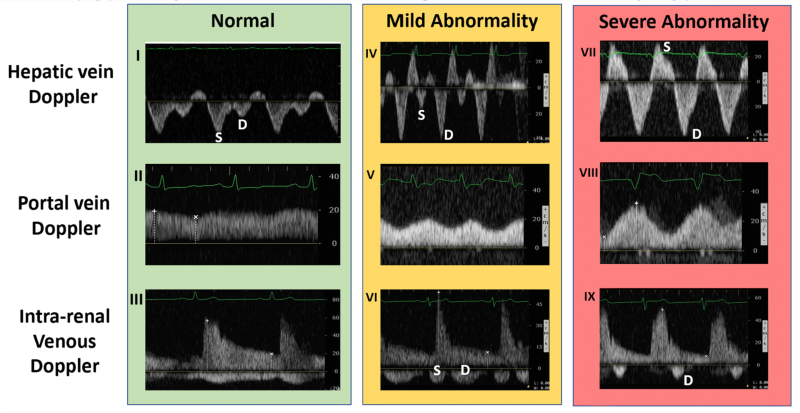
vexus fig 3.png
Knowing when to stop volume resuscitation in the unstable shock patient is a question that plagues both the emergency physician and the critical care doctor. VExUS was designed to succeed where CVP ha
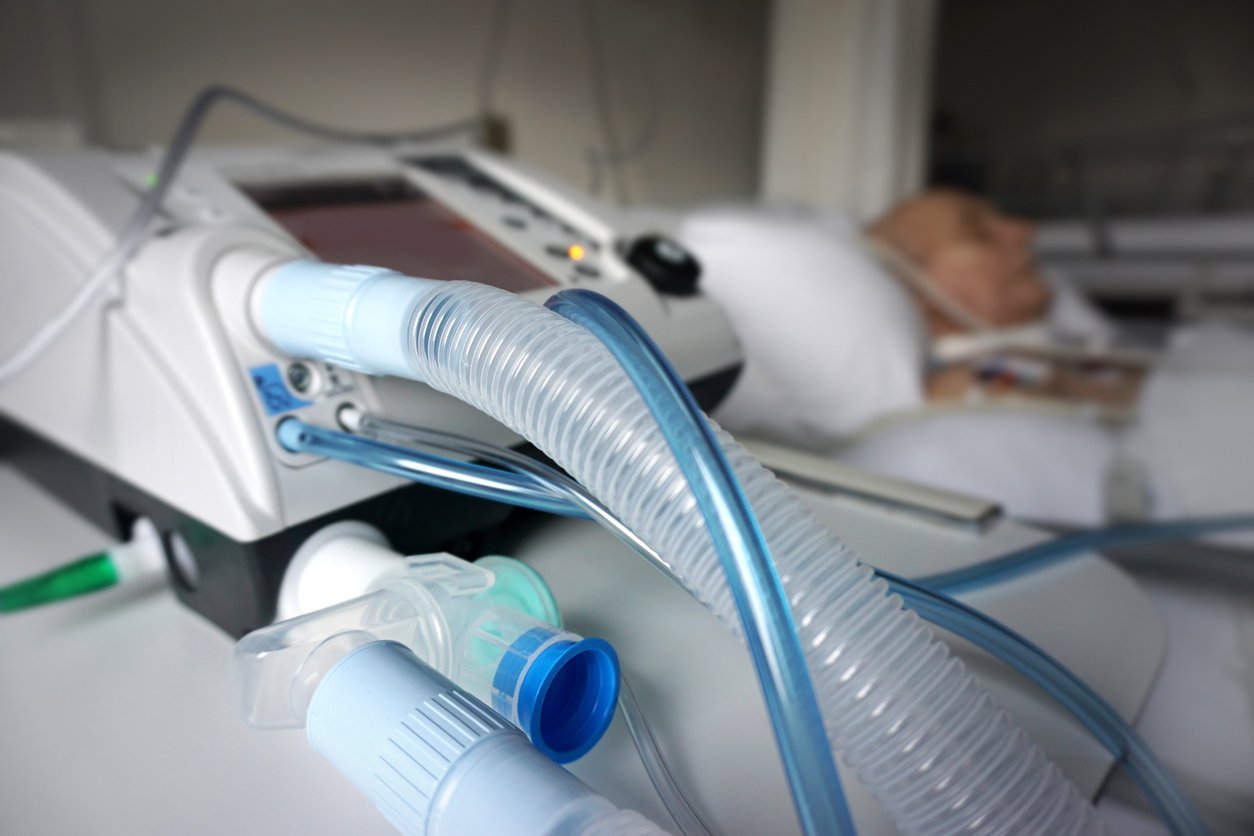
cca-low tidal volume vent.jpg
Patients experiencing critical illness necessitating mechanical ventilation have high mortality rates. Additionally, survivors of critically ill mechanical ventilation experience high morbidity. Sever
cca-epi v norepi.jpg
Post-resuscitation shock occurs in 50-70% of patients after out-of-hospital cardiac arrest, and this study provides evidence that norepinephrine is likely a preferable vasopressor to epinephrine in po
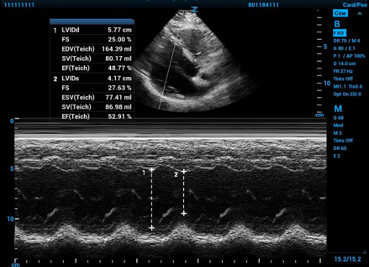
ccus - fractional shortening fig 1.png
Ultrasound is a powerful tool in the emergency department for the estimation of left ventricular ejection fractions. E-Point Septal Separation is a good way to obtain these measurements, but what if t
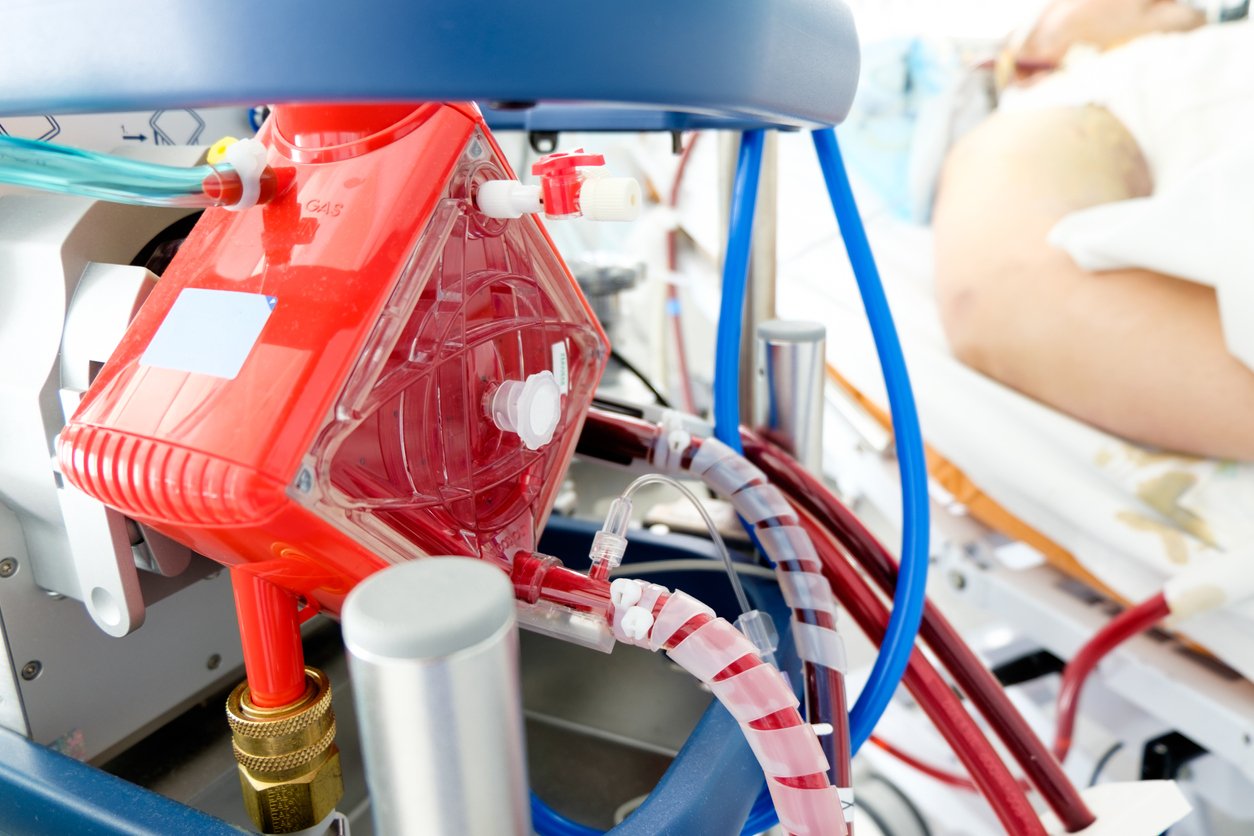
cca-ecmo 2022.jpg
The evidence surrounding ECPR continues to build. In this study, investigators demonstrated a 31.5% survival rate with favorable 180-day neurological outcome with ECPR in patients who suffered out-of-