





Browsing: Topics

46-1 Priapism.jpg
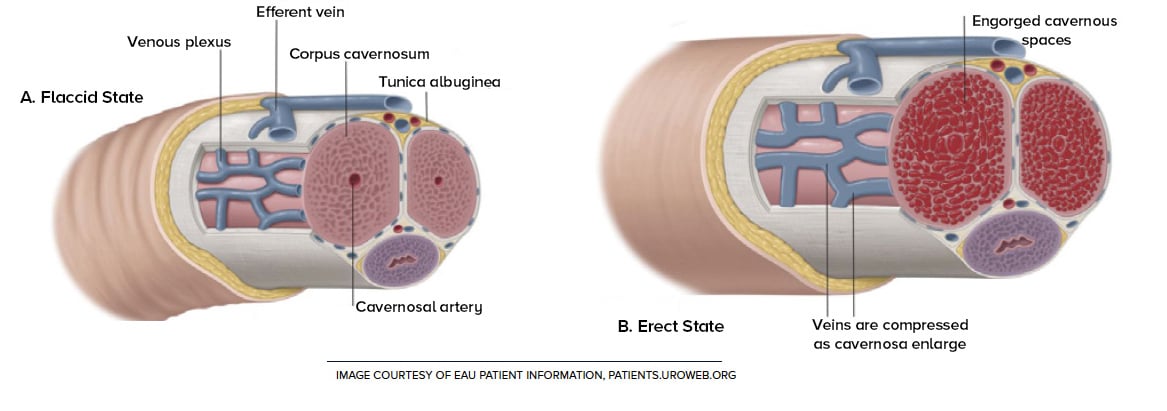
Penile emergencies are infrequent, painful for the patient, and difficult to simulate for practice in advance. But saving life and "limb" is why we all became emergency physicians.
46-1 Pacer Interference.jpg
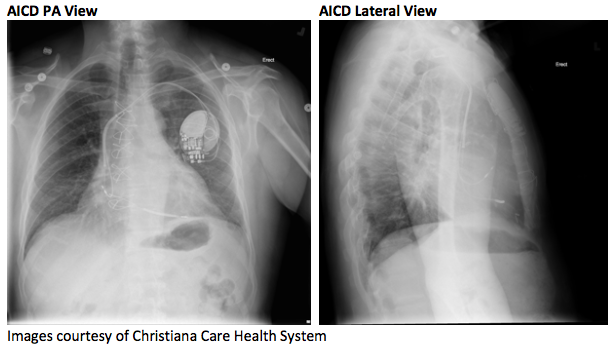
Pacemaker malfunctions are a not-infrequent reason for an emergency department evaluation. As a result, there is a wide differential into the underlying potential etiologies.
46-1 Sepsis.jpg
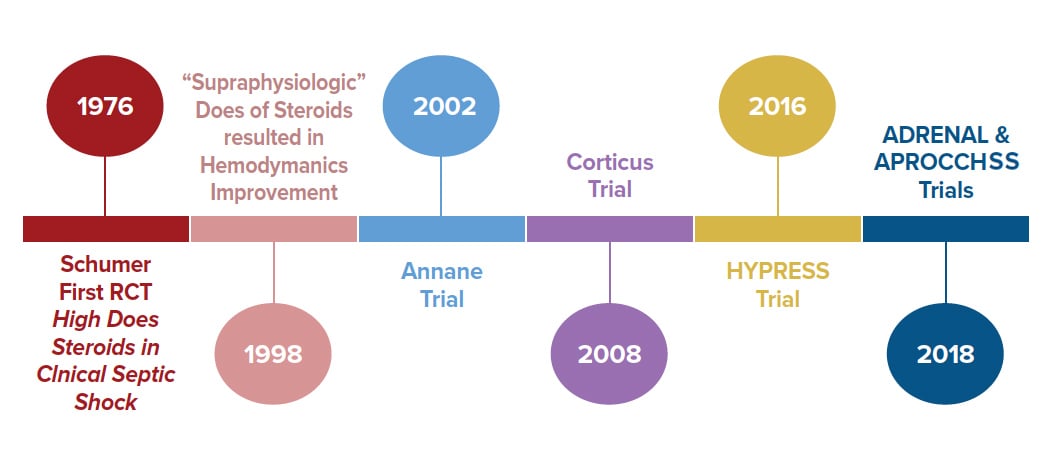
The use of exogenous steroids in septic shock is a controversial issue with inconsistent data on mortality to date. Several studies examine sepsis treatment. What does the evidence show?
46-1 MDMA.png
If you ask people who frequent music festivals, concerts, and clubs, they’ll tell you MDMA (aka ecstasy or molly) is a safe drug. If you see the results of MDMA toxicity, you might disagree.
46-1 Editor Forum.png
There's a monumental problem in how patients are billed for emergency visits. It's called surprise billing - and it's definitely not a good surprise.
46-1 MedSpanish - IMG_2780.jpg
A Spanish immersion program that doubles as global health outreach is a once-in-a-lifetime opportunity that will shape your practice and improve the way you care for patients throughout your career, s
46-1 Ken Katz.jpg
Medical toxicology is a field with diverse - and sometimes disparate - career options. Find out more from Ken Katz, editor-in-chief of the EMRA and ACMT Medical Toxicology Guide.
46-1 Cerebrovascular System.jpg
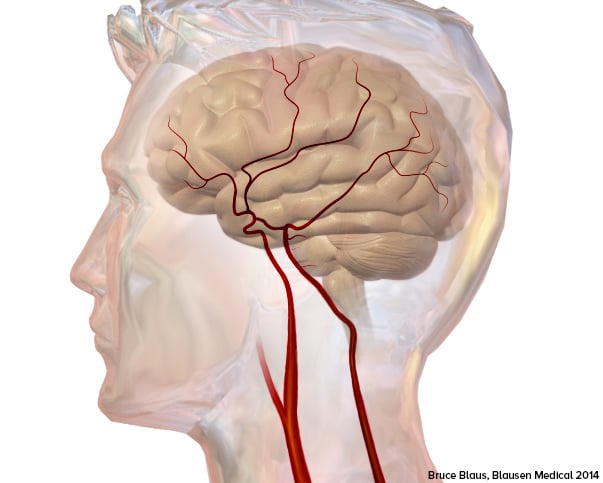
BCVI is a relatively rare diagnosis, but this does not take away from the importance of considering it during the initial evaluation of all trauma patients.
46-1 Pacemaker Basics Overview.png
Can you distinguish between an abnormal EKG and a cardiac device malfunction at a glance, recall common pacer codes, or identify pacemaker problems on an X-ray? As the use of cardiac devices increases
46-1 Blue Baby.jpg
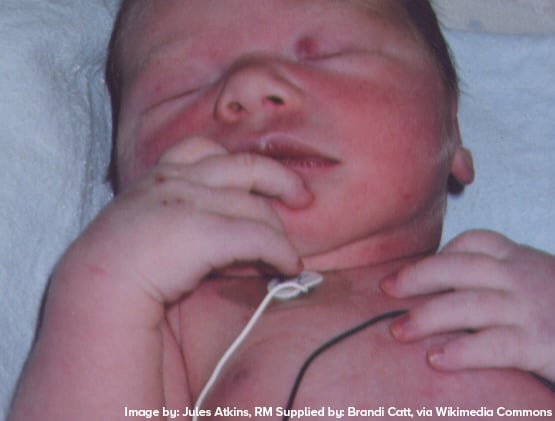
As emergency medicine providers, how can we best approach the cyanotic and non-cyanotic infant?