
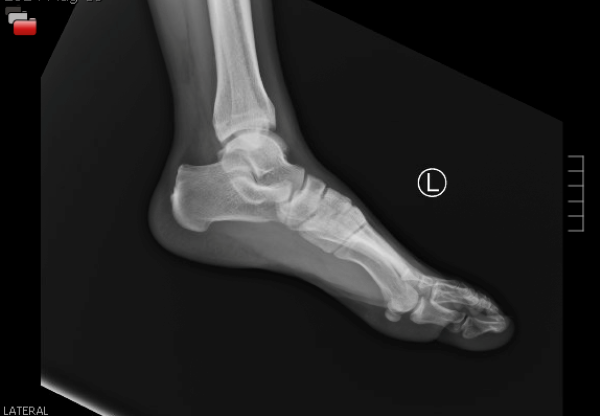

The Achilles tendon is the most commonly ruptured tendon in the human body. This case highlights the utility of bedside point-of-care ultrasound in the emergency department for diagnosing this and oth
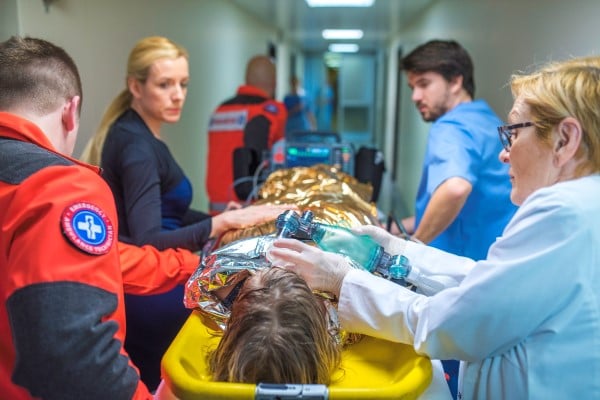
Hypothermia, one part of the deadly trauma triad, requires careful rewarming. This report reviews two cases of hypothermia presenting to resource-limited community sites, both managed via internal tem
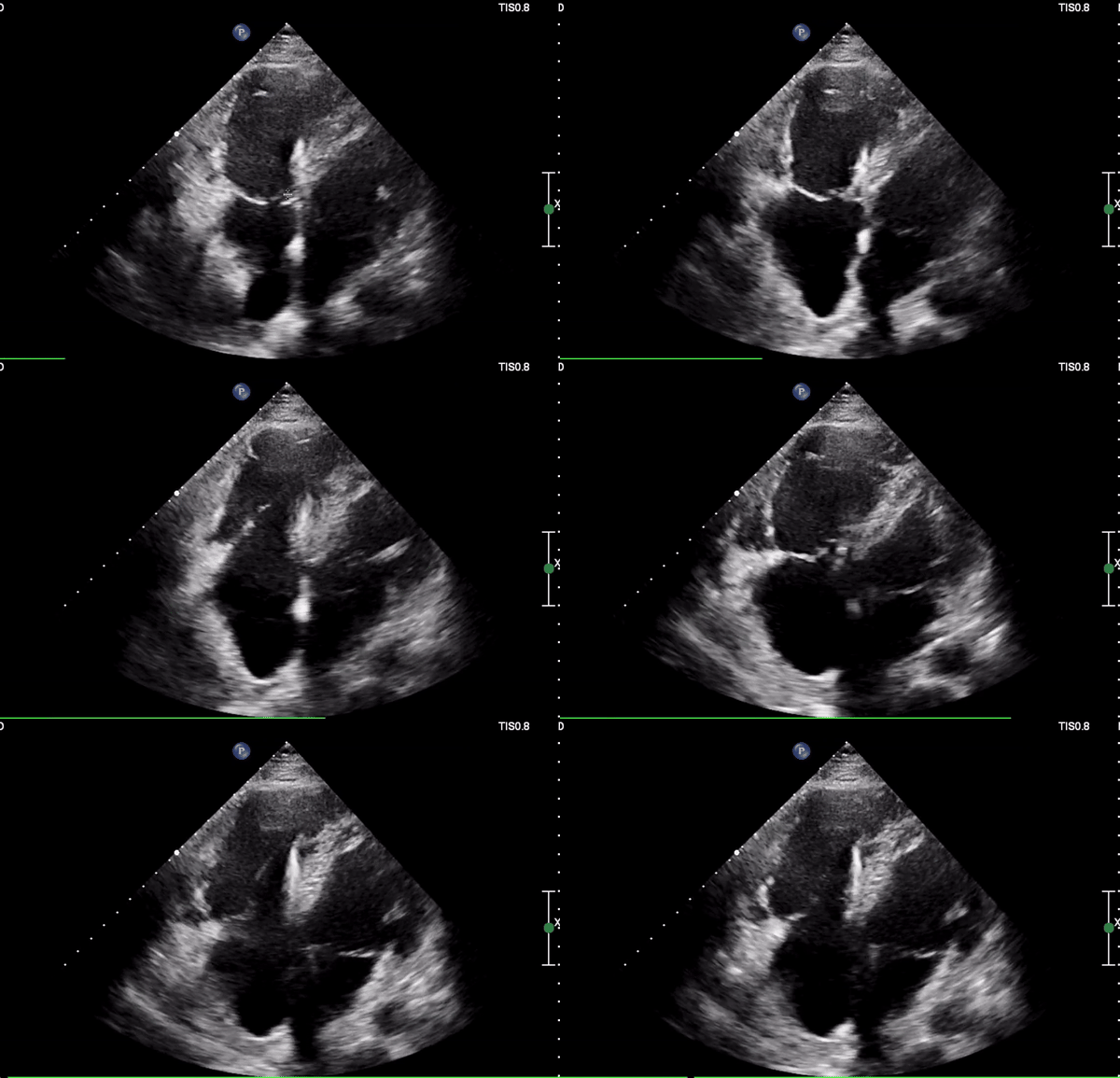
The results of insufficient health care insurance and access can be seen most clearly in the emergency department. This case focuses on managing arrhythmogenic right ventricular cardiomyopathy (ARVC)
Distinguishing between medical and psychiatric causes of altered mental status (AMS) can be challenging, as the two may present with similar clinical manifestations.1 As a result, patients with underl
Every minute counts for long-term outcomes in out-of-hospital cardiac arrest. Does the route of administration for lifesaving medications play a role? This EMRA Critical Care Alert dives into the PARA
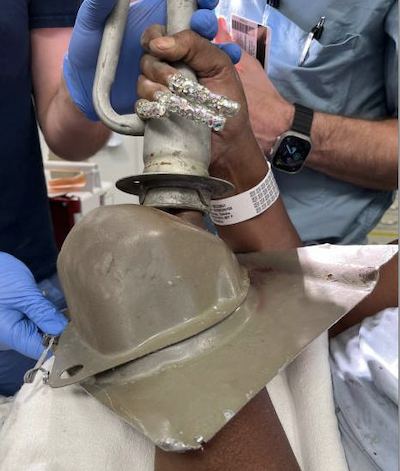
How do you manage a case of a patient's finger stuck so completely in a Ford Explorer gas valve that EMS arrives with part of the vehicle attached to your patient? Hint: Consider the use of a nasophar
Arm swelling in hemodialysis (HD) dependent patients is a serious complication associated with arterio-venous fistula (AVF) creation that is not often seen in the emergency department. We present a ca
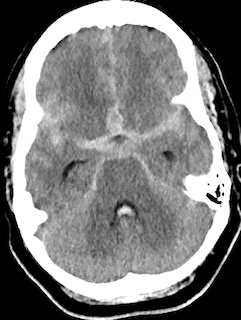
Aneurysmal subarachnoid hemorrhage (aSAH) is a must-not-miss diagnosis in the emergency department (ED). The rupture of an intracranial aneurysm leads to bleeding within the subarachnoid space, where
Can’t-intubate/can’t-ventilate scenarios are critical, and the difficulty ramps up when your patient is a young child. Planning ahead for the difficult airway can make the difference between life and