
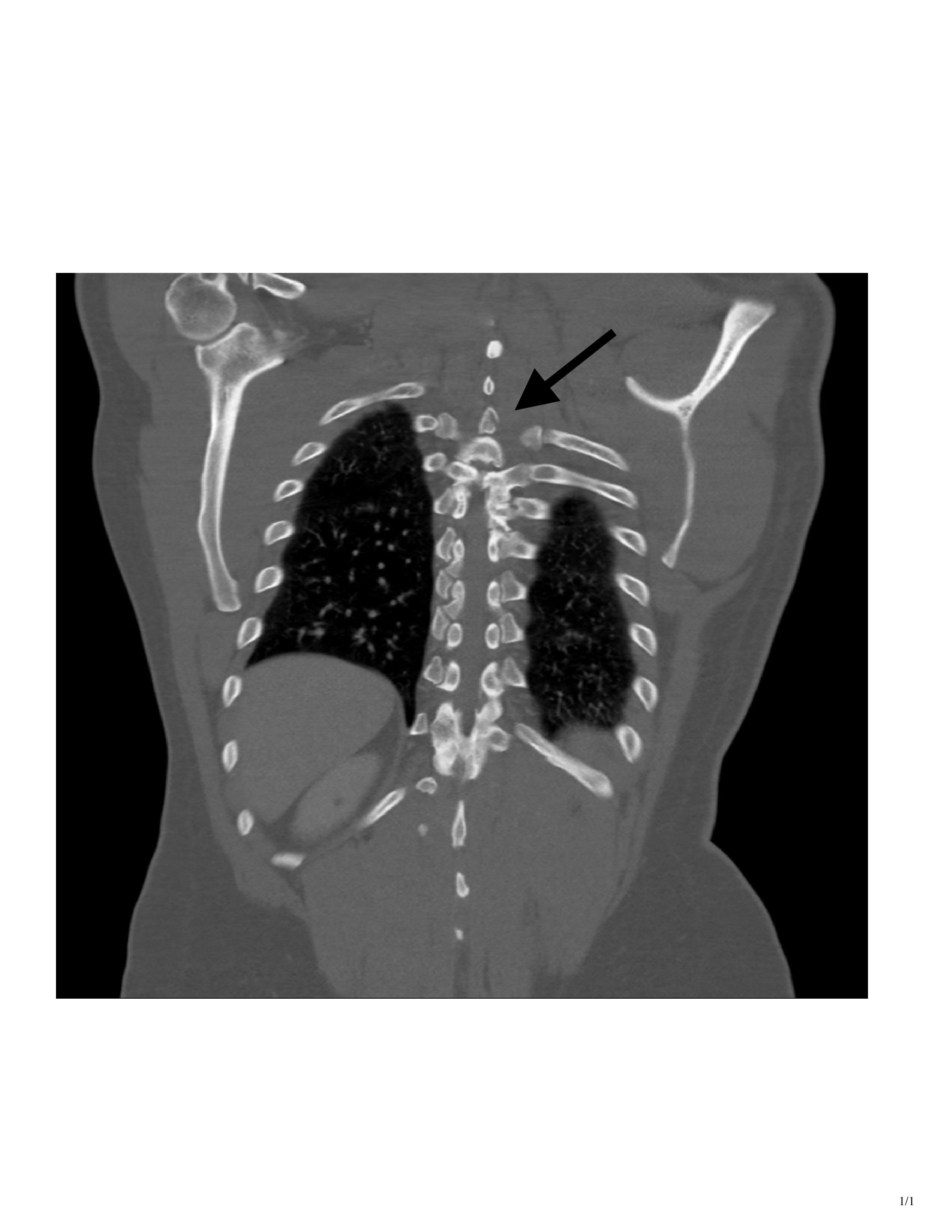


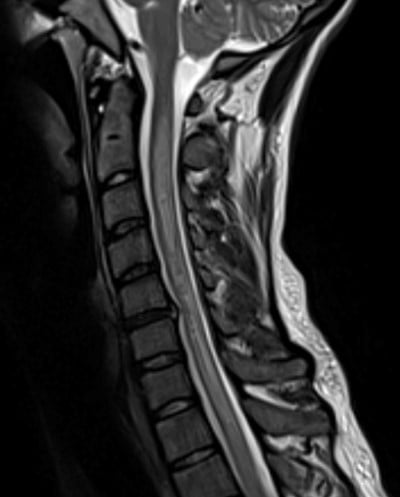

Incomplete spinal cord injuries are often discussed in medical school, as a means of instructing neural anatomy. These injury patterns are less commonly seen in clinical practice, but when they do pre
This case report explores the evidence behind recognizing and treating conditions caused by gadolinium-based contrast agents — including pseudo-subarachnoid hemorrhage.
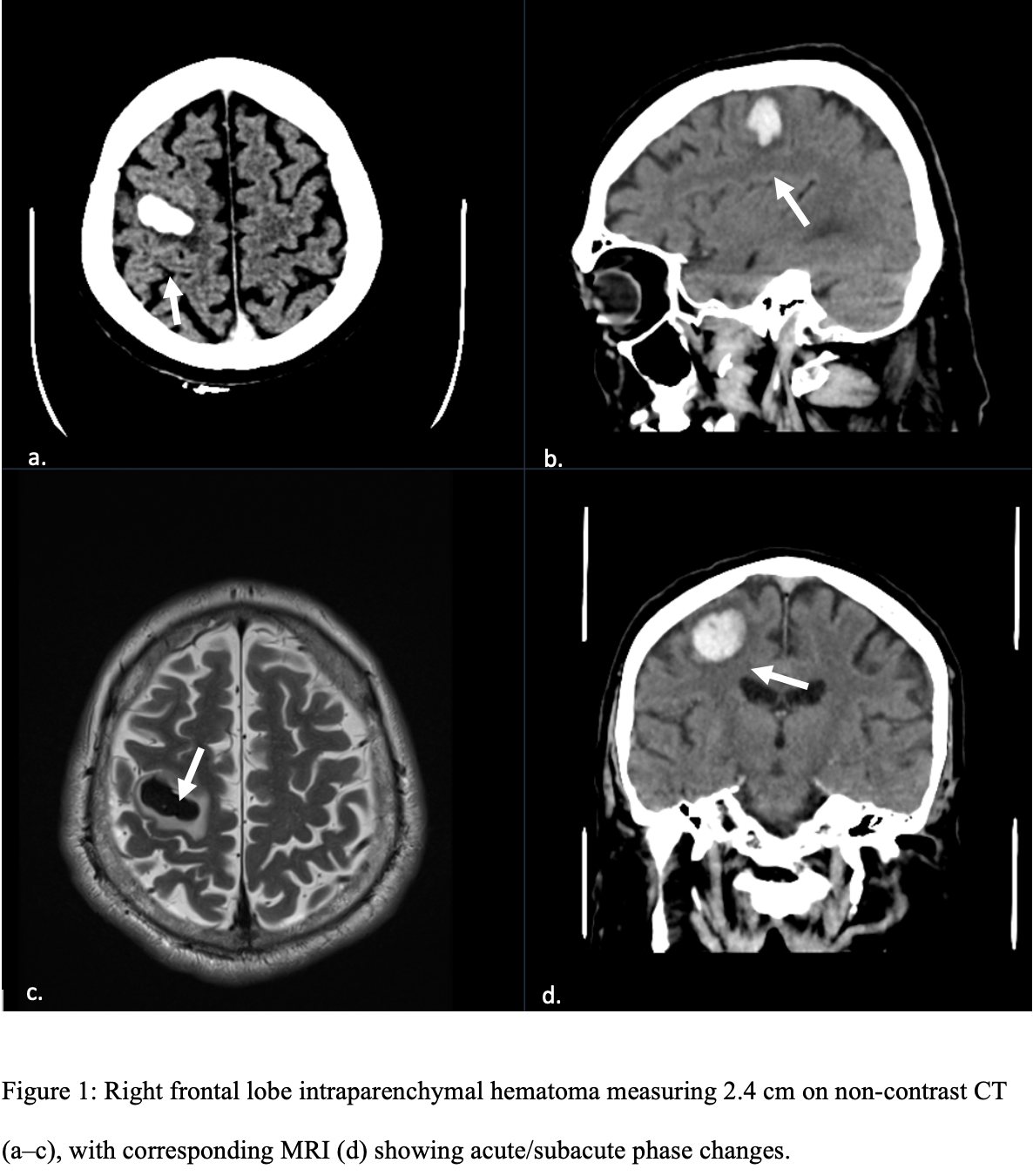
Stroke remains a major cause of morbidity and mortality worldwide, with hemorrhagic strokes accounting for approximately 10–20% of cases. Classic symptoms like hemiparesis or aphasia often lead to ear
While opsoclonus-myoclonus-ataxis (dancing eye-dancing feet syndrome) may seem rare and complex, its early identification in the ED can be life‑altering. When faced with an unusual movement disorder a
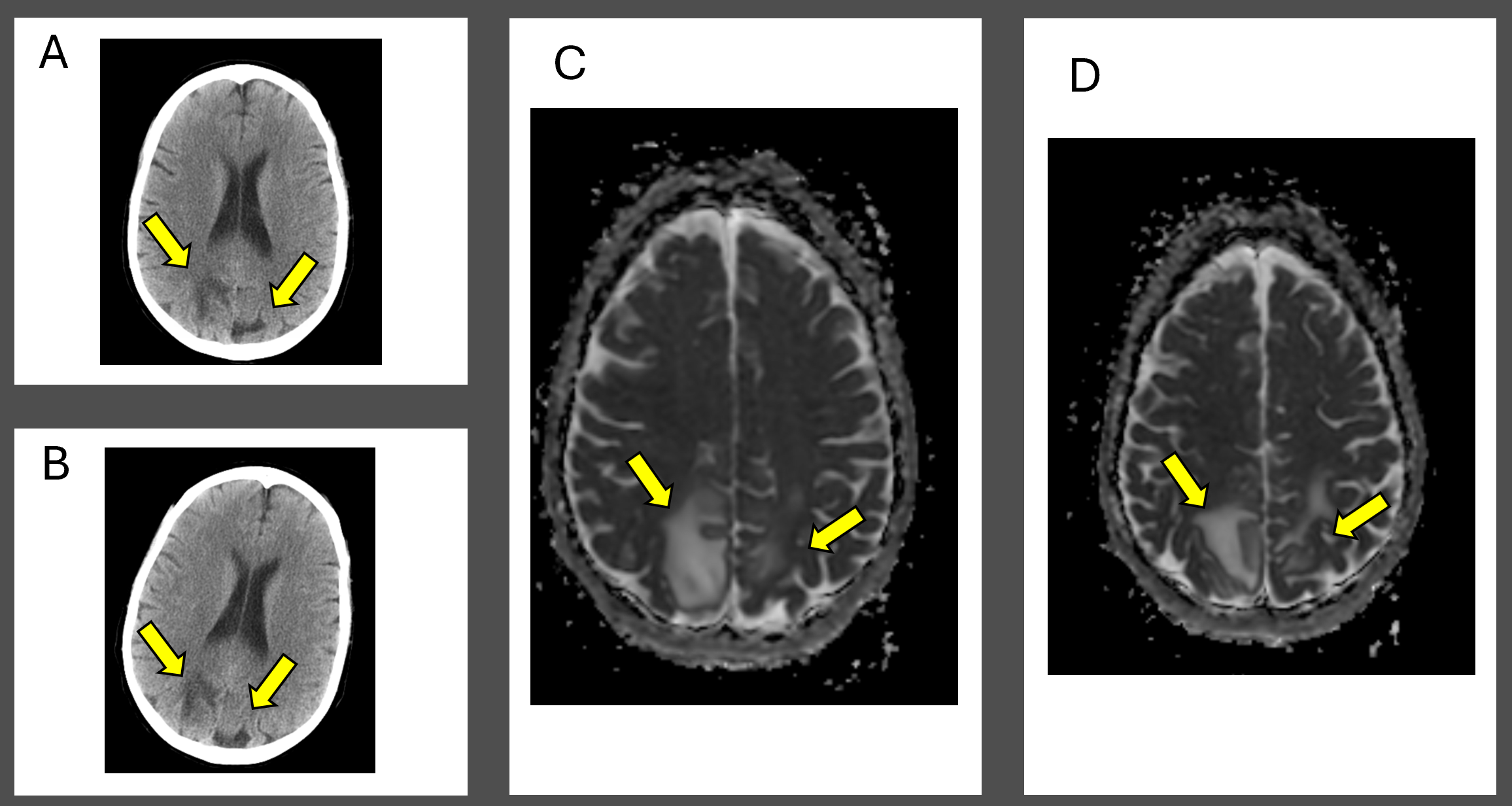
Posterior Reversible Encephalopathy Syndrome (PRES) is a neurologic disorder that traditionally presents with altered mental status, visual disturbances, headaches, and seizures in the setting of hype
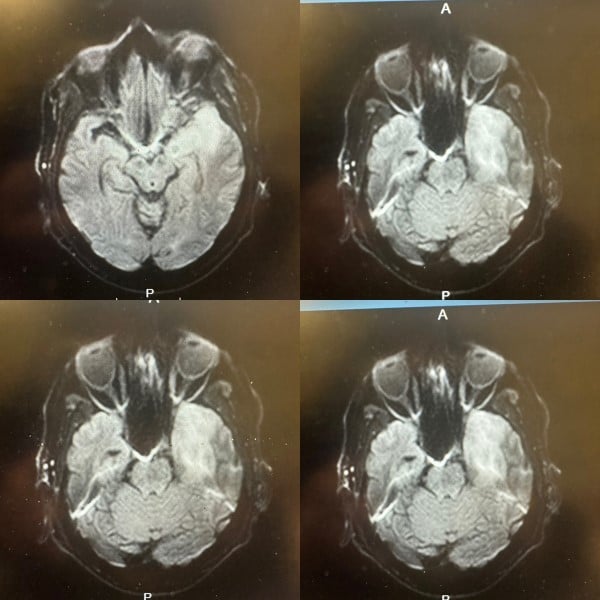
Herpes simplex virus type 1 (HSV-1) encephalitis is the most common cause of sporadic fatal encephalitis worldwide. The clinical syndrome is often characterized by the rapid onset of fever, headache,
An estimated 1.6 to 3.8 million sports-related concussions occur annually in the United States, a number that has steadily risen over the past two decades. Reflecting on the latest developments, the 6
Nitrous oxide toxicity can be difficult to recognize, but when left untreated, it can lead to irreversible neurologic damage. Get some pointers in dealing with this vague presentation.
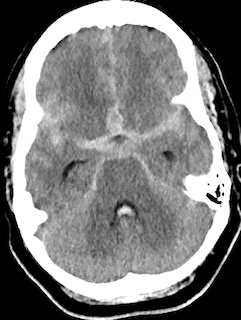
Aneurysmal subarachnoid hemorrhage (aSAH) is a must-not-miss diagnosis in the emergency department (ED). The rupture of an intracranial aneurysm leads to bleeding within the subarachnoid space, where
Myasthenia Gravis (MG) is an autoimmune neuromuscular disorder characterized by the formation of autoantibodies against postsynaptic acetylcholine receptors at the neuromuscular junction resulting in