

Hyperbaric Fellowships

EMRA is launching Fellowship Match! We are adding fellowships daily.
Look for fellowships using criteria important to you.
- Geographic location
- Fellowship type or training opportunity
- Advanced Degrees Offered?
- Is Moonlighting Allowed?
- Length of Program?
- Number of Shifts per month?
- Save your favorites
- Export your fellowships to a spreadsheet to look at offline
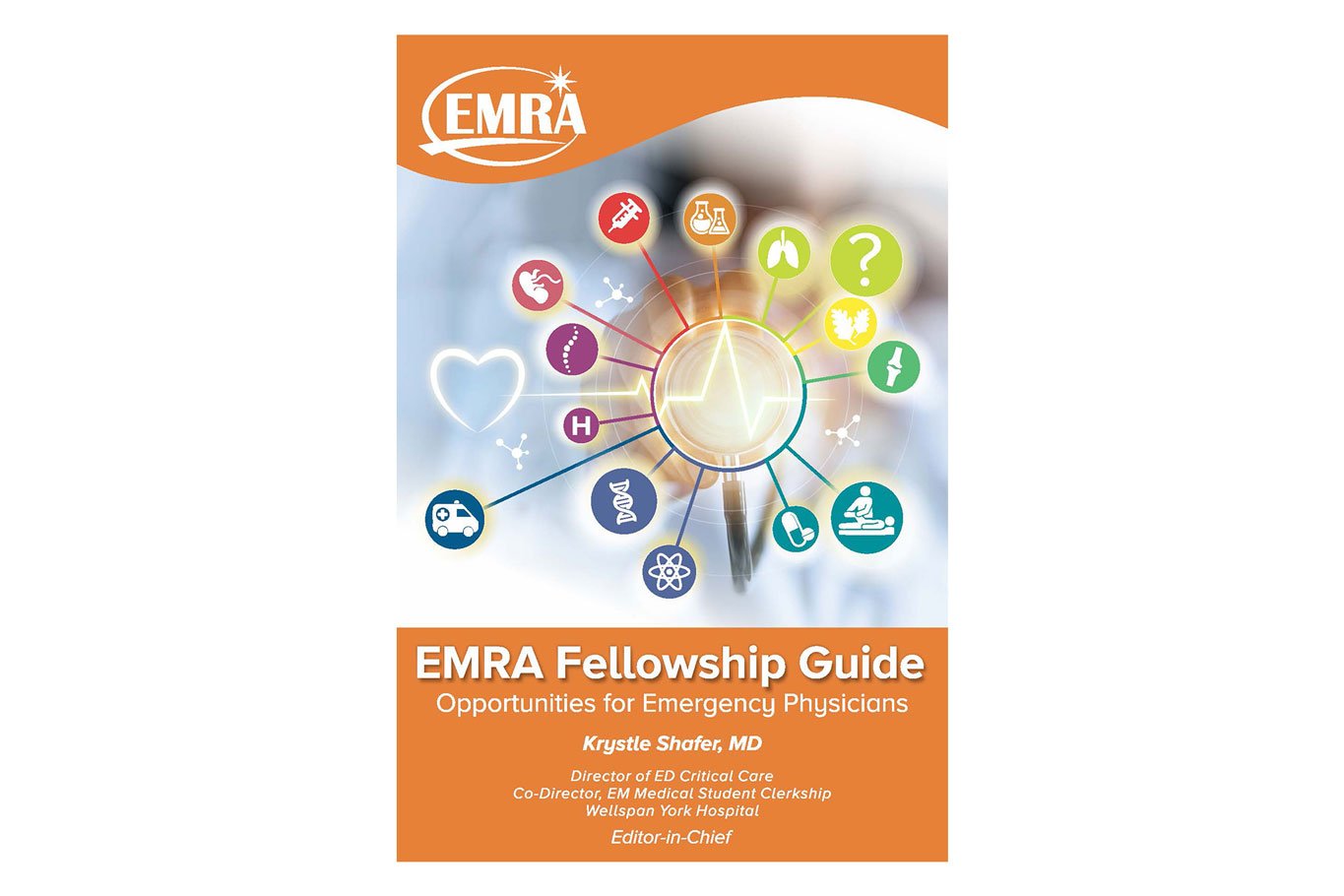
EMRA Fellowship Guide
Chapter 29 Undersea and Hyperbaric Medicine Fellowship
Undersea and hyperbaric medicine (UHM) is a unique subspecialty of emergency medicine that involves the therapeutic use of oxygen under pressure to treat disease. Hyperbaric oxygen is used to treat dive emergencies, arterial gas embolisms, radiation injuries, complex wounds, carbon monoxide (CO) poisoning, deadly infections, ocular emergencies, and much more. The specialty of UHM includes treatment with hyperbaric oxygen but also the study of extreme pressure environments, immersion effects, and marine life injuries.
The patient population is diverse, including recreational and commercial divers, patients requiring daily wound care, and critically ill patients. Fellowship training prepares physicians to care for patients with emergent and elective indications, participate in research, and become leaders in the field.
Go to Chapter 29Related Content