
Sports Medicine Fellowships

match-fellowships-new.jpg

Fellowship Match 

EMRA is launching Fellowship Match!  We are adding fellowships daily.  

Look for fellowships using criteria important to you.

    • Geographic location
    • Fellowship type or training opportunity 
    • Advanced Degrees Offered?
    • Is Moonlighting Allowed?
    • Length of Program?
    • Number of Shifts per month?
    • Save your favorites
    • Export your fellowships to a spreadsheet to look at offline
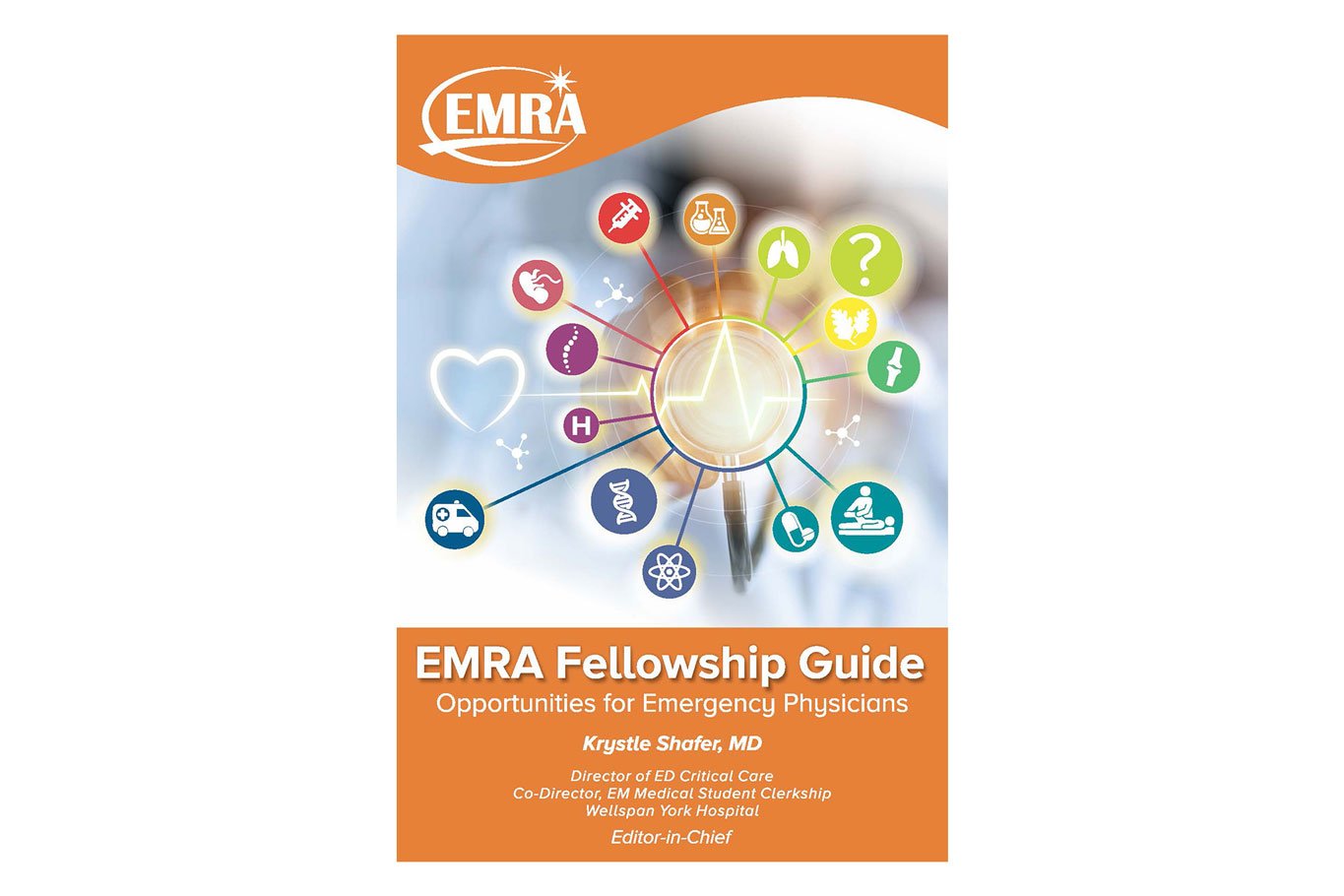
EMRA---Fellowship-Guide-2018---CC.jpg

EMRA Fellowship Guide

Chapter 24 Primary Care Sports Medicine (PCSM) Fellowship

Sports medicine physicians provide care for injuries sustained both on and off the athletic field. Prior to the creation of this specialty, the majority of musculoskeletal injuries were cared for by orthopedic surgeons; however, most athletic injuries are non-operative and frequently include general medical complaints as well as traumatic brain injuries. Therefore, the approach to an athletic injury often exceeds the knowledge scope of any one specialist and requires a generalist approach for appropriate care. The Primary Care Sports Medicine (PCSM) subspecialty was designed to meet this need.

Go to Chapter 24

Related Content

Dec 12, 2021

POCUS for the Win: Focal Segmental Glomerulosclerosis

Point of care ultrasound can be used to help evaluate patients with suspected kidney pathology and to diagnose causes of renal colic, renal failure, hematuria, and decreased urine output. Compared to computed tomography (CT), ultrasound can result in shorter lengths of stay, lower cost, and improved safety.

Dec 12, 2021

The Pericapsular Nerve Group (PENG) Block for Hip Pain

Hip fractures are common injuries evaluated in the ED. The majority of patients who suffer a hip fracture are over 80 years old, and as the population ages, the incidence of hip fractures is expected to increase. Do you have a strategy for managing this pain?

Dec 12, 2021

Fomepizole for Acetaminophen Toxicity: A Novel Use for a Classic Antidote

Acetaminophen toxicity is one of the most common causes of liver toxicity in the United States. New data reveals that fomepizole may be hepatoprotective in high dose acetaminophen toxicity when reviewed in animal models; will this affect management in humans?