
Derrick Tin, MD

Derrick Tin, MD

@DrDerrickTin
Senior Fellow Disaster Medicine, BIDMC and Harvard Medical School
Medical Director, AlphaZodiac Medical Advisory

Promoting the study of disaster and emergency medicine is the passion of Derrick Tin. A frontline worker in the battle against COVID-19, he continues to publish on the healthcare consequences of terrorism, bioterrorism and vulnerabilities in hospital preparedness and responses. As the co-chair of the Counter-Terrorism Medicine Specialist group at the World Association for Disaster and Emergency Medicine, his expertise in this field is unsurpassed. Global socio-political landscapes continue to shift and Dr. Tin is ready to explore and meet those challenges.
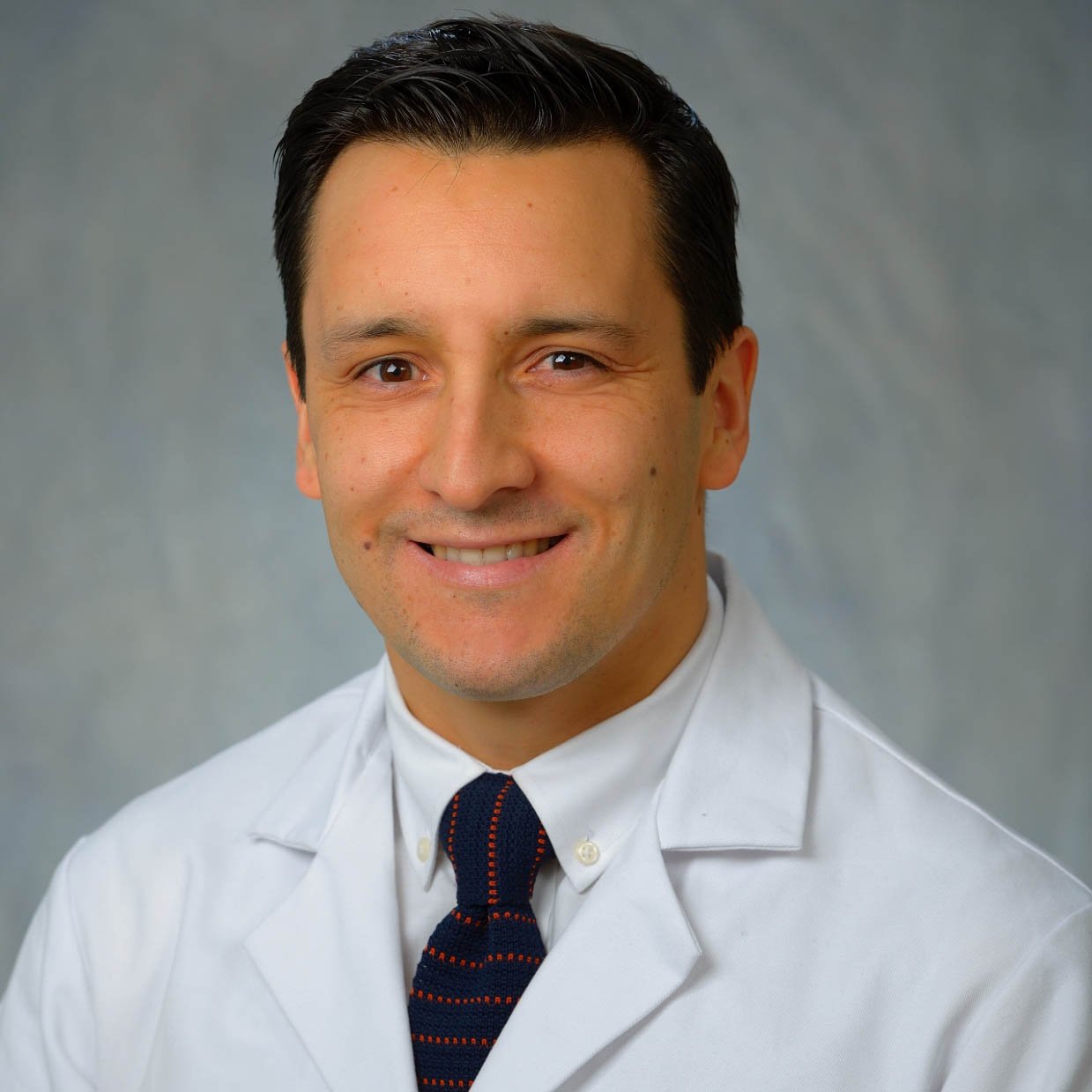

Felipe Teran, MD, MSCE, FACEP

Kabir Yadav, MDCM, MS, MSHS, FACEP

Related Content

Dec 12, 2021

Pandemic PTSD and Protecting Our Mental Health

After months of working on the front lines, emergency medicine attending physicians, residents, and medical students are all familiar with the routines of the COVID-19 pandemic. They work under the weight of inherent risks to their own health and their family's well-being, a patient population struggling with misinformation, a decimated workforce, and contract challenges. It's all leading to post-traumatic stress disorder.

Dec 12, 2021

3D Printing PPE in the COVID-19 Pandemic

Supply chain disruption during the COVID-19 pandemic forced healthcare systems to look for alternative ways to meet dramatically increased demand for personal protective equipment. This paper outlines an interdisciplinary approach to evaluating and refining a 3D-printed face shield design for use in the Emergency Department of a level 1 Trauma center in eastern North Carolina.

Dec 12, 2021

POCUS for the Win: Focal Segmental Glomerulosclerosis

Point of care ultrasound can be used to help evaluate patients with suspected kidney pathology and to diagnose causes of renal colic, renal failure, hematuria, and decreased urine output. Compared to computed tomography (CT), ultrasound can result in shorter lengths of stay, lower cost, and improved safety.